
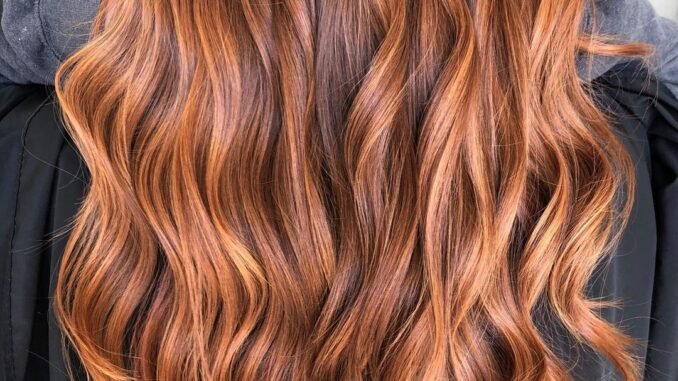
There is a reason copper hair color ideas dominate every fall mood board: nothing catches autumn light like those warm, burnished red-orange tones. Copper sits in the sweet spot between red and brunette — fiery enough to turn heads, wearable enough for everyday life. From soft strawberry copper to deep burnished auburn, the shade family is huge, which means there is a version for nearly every skin tone and style. This guide walks through twenty copper hair color ideas, how to choose your shade, what to ask your colorist, and how to keep the color glowing for months. Whether you are going full copper for the first time or just adding coppery ribbons to your brunette, you will find a look here worth saving.
Why Copper Hair Is the Color of the Season
Copper hair surges every autumn, and 2026 is no exception. The shade mirrors the season itself — falling leaves, pumpkin spice, golden-hour light — so it feels instantly current the moment temperatures drop. Beyond seasonality, copper flatters an unusually wide range of skin tones because it comes in warm, neutral, and cool-leaning variations. It also photographs beautifully, which is why it dominates social feeds: the multidimensional tones catch light in a way flat color never does. Celebrities cycling through copper transformations each fall keep the trend in headlines, and modern formulas have made the color more achievable than the high-maintenance reds of the past. If you have been waiting for a sign to go warmer, consider this it — copper is having its biggest moment in years.

Finding Your Perfect Copper Shade
Choosing the right copper starts with your skin’s undertone, not just the photo you saved. Warm undertones glow with golden and orange-leaning coppers, while cool undertones look striking against deeper, more auburn coppers with red-violet depth. Neutral undertones can wear almost anything in the family. Your natural hair color matters too: lifting dark hair to bright copper takes more sessions than warming up medium brown, and your colorist can map a realistic path. Eye color is the secret weapon — copper makes green and hazel eyes look extraordinary, and it warms up brown eyes beautifully. Bring multiple reference photos showing the shade in different lighting, because copper shifts dramatically between indoor and outdoor light. A thorough consultation beats a rushed appointment every single time.

Classic Copper: The Timeless Penny Tone
The classic penny copper — a true, balanced orange-red — is the shade most people picture when they hear “copper hair,” and it never really goes out of style. It is vivid without veering neon, warm without looking brassy, and it works on hair of almost any length. This shade typically needs pre-lightening on dark hair to reach its full brightness, but on naturally medium hair it can often be achieved in one session. The result is rich, reflective, and unmistakably copper from every angle. Maintenance is moderate: the vibrancy fades gradually rather than dramatically, and glosses between appointments keep it fresh. If you want the iconic copper look that launched a thousand Pinterest boards, start here — it is the reference point every other copper variation builds on.

Dark Copper and Auburn Depth
Dark copper and auburn offer all the warmth of copper with extra depth — think burnished mahogany with coppery fire in the highlights. These deeper shades are the most low-maintenance entry into the copper family because they require less lifting and fade more gracefully. They look especially stunning on medium to deep skin tones and on naturally dark hair, where the color reads as dimensional rather than drastic. In indoor lighting, dark copper looks like a rich brunette with secrets; in sunlight, the red-orange dimension ignites. It is also the most office-friendly copper — polished and professional while still feeling fashion-forward. If bright copper feels like too big a leap, dark copper gives you the warmth and richness with training wheels on.

Strawberry Copper for a Softer Glow
Strawberry copper is copper’s gentlest expression — a blush-toned blend of golden blonde and soft red that looks sun-kissed rather than fiery. It is the ideal choice if you love warmth but want something subtle, and it is famously flattering on fair skin with pink undertones. Because it sits closer to blonde, it grows out softly and requires less dramatic upkeep than vivid coppers. Strawberry copper shines in textured, wavy styles where light can play across the delicate tones. It also makes a beautiful transitional shade if you are moving from blonde toward red and want to test the waters. Ask your colorist for a “strawberry blonde with copper reflect” to land in exactly the right zone — too much gold and it reads blonde, too much red and it jumps to full copper.

Bright Copper: High-Shine Statement Color
Bright copper is not for the shy — it is a vivid, high-shine orange-red that announces itself from across the room. This is the shade that stops traffic and fills camera rolls, with a reflective quality that looks almost metallic in direct light. Achieving it usually requires lifting to a pale base, so it is the highest-commitment copper, but the payoff is unmatched vibrancy. Bright copper pairs spectacularly with blunt cuts, where the solid sheet of color shows at full intensity. Be prepared for real maintenance: vivid shades fade fastest, so plan on glosses every four to six weeks and color-safe everything at home. If your personality runs bold and your calendar can handle salon visits, bright copper delivers the most dramatic transformation in the entire family.

Copper Balayage Ideas
Copper balayage gives you the warmth without the full commitment — hand-painted ribbons of copper woven through your natural base for a sunlit, dimensional effect. It is the smartest choice if you want low-maintenance color, because the soft grow-out means fewer salon visits and no harsh lines. On brunettes, caramel-copper pieces brighten the mid-lengths and ends; on blondes, deeper copper lowlights add richness and depth. The technique also lets you control intensity: a few face-framing pieces for subtlety, or a full head of painted dimension for drama. Because balayage grows out gracefully, it is ideal for first-time color clients nervous about upkeep. Ask for a “lived-in copper balayage” and bring photos showing how much brightness you want around your face.

Copper Ombré and Melted Roots
Copper ombré and root melts blend your natural base into copper ends so seamlessly that the grow-out is practically invisible. The technique keeps depth at the roots — your natural color or a shadow root — then melts into glowing copper through the lengths. It is the ultimate low-maintenance copper because regrowth simply looks like part of the design. This approach works beautifully on long hair, where the gradient has room to unfold, and it is forgiving if you stretch appointments to three or four months. For the most modern take, ask for a “copper melt” with no harsh line anywhere — just a soft, watercolor transition from root to tip. The result looks expensive, intentional, and effortlessly cool.

Copper Hair on Short Cuts and Bobs
Copper might be even better on short hair, where the color reads as one bold, graphic statement. A copper bob — whether blunt, textured, or asymmetrical — shows off the shade’s shine and dimension with every turn of the head. Pixie cuts in copper look edgy and editorial, especially with slightly tousled texture. Because short hair gets trimmed frequently, maintaining vivid copper is actually easier: damaged, faded ends get cut away regularly. The combination is striking enough that styling can stay simple — the color does all the talking. If you are already considering a chop, pairing it with copper doubles the transformation impact. Bring your stylist photos of the exact bob shape you want, since the cut and color should be planned together for the sharpest result.

Long Copper Waves and Layers
Long, layered copper hair is pure romance — waves catch the light and reveal every tone from deep auburn shadows to bright copper highlights. Layers are essential for long copper because they create movement that shows off the color’s dimensionality; one-length long hair can make even beautiful color look flat. Loose waves, whether from a curling iron or overnight braids, are copper’s best friend. The shade also looks incredible in braids and twists, where the weaving creates natural contrast between tones. Long copper does demand commitment to conditioning, since length plus color can mean dryness — weekly masks are non-negotiable. But when it is healthy and moving, there is simply nothing else like it.

Copper for Curly and Coily Hair
Curly and coily textures make copper absolutely luminous — each curl acts like a prism, scattering warm tones in every direction. The key is choosing application methods that protect curl health: balayage and pinturas-style hand painting avoid the damage of all-over lightening. Deep coppers and auburns are particularly kind to textured hair since they need less lift. Moisture becomes even more critical with color, so build your routine around deep conditioning, leave-ins, and gentle cleansing. Many curl specialists recommend coloring before a trim so the shape can be perfected on the finished color. The result is worth the extra care: copper curls have a halo-like glow that straight hair simply cannot replicate. Find a stylist experienced with both your curl pattern and vivid color.

Copper Highlights on Brown Hair
If full copper feels like too much, copper highlights on brown hair deliver warmth with total wearability. Fine babylights in copper tones add a kiss of warmth that looks natural and expensive, while chunkier ribbons make a bolder statement. This is the lowest-risk way to try the trend: your base stays familiar, the grow-out is soft, and the maintenance is minimal. Copper highlights flatter brunettes especially well because the contrast is harmonious rather than stark — think candlelit warmth rather than stripey contrast. They also refresh grown-out color beautifully, breaking up solid regrowth with light. Ask for highlights concentrated around the face and through the ends for the most flattering, modern placement. It is the gateway copper that converts skeptics.

What to Ask Your Colorist
A great copper result starts with a great consultation, so walk in prepared. Bring at least three reference photos showing your desired shade in different lighting — copper shifts so much that one photo is never enough. Ask what level of lift your hair needs and how many sessions it will take, especially if you are going from dark to bright. Discuss maintenance honestly: how often you will need glosses, what it costs, and what at-home products to use. Ask about the condition of your hair and whether a bond-builder should be part of the service. Finally, clarify the grow-out plan — even if you love the color now, knowing how it fades helps you decide between all-over color, balayage, or a melt. A colorist who welcomes these questions is one you can trust with your transformation.

At-Home Copper Color: What Works
Box dye can work for copper, but choose wisely. Single-process copper shades from reputable brands give decent results on virgin, medium-brown to dark-blonde hair — the color deposits evenly and the warmth covers well. What does not work well at home is dramatic lightening: going from dark brown to bright copper needs bleach and toning, which is easy to get wrong and hard to fix. If you are already copper and just refreshing, color-depositing conditioners and glosses are the safest DIY route. Always do a strand test and a patch test first, follow timing exactly, and avoid overlapping color onto previously colored hair, which causes banding. Be honest about your starting point: at-home copper is great for maintenance and subtle shifts, but major transformations belong in the salon.

Pre-Color Prep for the Best Results
Copper grabs best on healthy, well-prepped hair, so treat the weeks before your appointment as training camp. Deep-condition weekly to fill in porous spots that would otherwise drink up color unevenly. Avoid heavy silicones and clarifying shampoos right before coloring — you want clean but not stripped hair. If your hair is very damaged, ask your stylist about a bond-building treatment in the weeks leading up to your appointment. Skip the fresh haircut until after color day, since your stylist may want to see how the color falls on your current length first. Arrive with day-old hair rather than freshly washed, unless your salon advises otherwise. Good prep does not just improve the color result — it extends how long that gorgeous copper lasts before fading.

Keeping Copper Vibrant: Wash Routine
Copper is a notorious fader, but the right routine buys you weeks of extra vibrancy. Wash less often — two to three times a week maximum — and always with cool or lukewarm water, since hot water opens the cuticle and lets color escape. Use sulfate-free, color-safe shampoo and concentrate it on the scalp rather than scrubbing the lengths. A color-depositing conditioner once a week replenishes the warm tones that rinsing removes. Protect your hair from the sun with a UV-protectant spray or a hat, because UV fades reds faster than almost anything. And rethink your pool habits: chlorine is copper’s enemy, so wet your hair with clean water and apply a protective conditioner before swimming. Small habits, big difference in how long your copper glows.

Color-Depositing Products Worth Trying
Color-depositing conditioners and masks are copper’s best friend between salon visits — they add a sheer layer of warm pigment every time you use them. Use one every one to two weeks to counteract fading, leaving it on for the recommended time for an even result. Copper and red shades are the most widely available in this category, so you will have plenty of options at every price point. Gloss treatments, whether at-home or in-salon, add shine and refresh tone without commitment. Temporary copper sprays and waxes are fun for events or for testing a shade before committing. One caution: these products can stain light-colored towels and pillowcases, so use dark linens on application days. Think of them as a top-up, not a replacement for professional color — they maintain, but they cannot rebuild faded depth alone.

Styling Copper Hair: Cuts That Show It Off
The right cut makes copper look even better. Layered cuts create movement that reveals the color’s dimension, while blunt cuts showcase its shine and intensity as a solid sheet. Curtain bangs in copper frame the face beautifully and grow out gracefully. For styling, soft waves are the universal winner — they bend the light across tones in a way straight styles cannot. Sleek, straight styles work too, especially on vivid coppers where the mirror shine is the point. Avoid overusing hot tools without protectant, since heat fades color and dulls shine. A lightweight shine serum on the ends adds the glossy finish copper deserves. Whatever your length, texture and shine are the two styling goals that make copper look its absolute best.

Makeup and Wardrobe Pairings for Copper Hair
Copper hair changes your whole palette, and leaning into it makes the color look intentional. Warm, earthy makeup flatters most: bronze eyeshadow, terracotta blush, and nude or brick lipstick harmonize beautifully. Green eyeliner is a secret weapon — green and red-orange are complementary, so it makes both your eyes and your hair pop. In your wardrobe, deep greens, navy, cream, camel, and black all make copper glow, while olive and mustard create a tonal autumn story. Avoid washing yourself out with pale pastels worn right at the neckline unless you balance them with stronger makeup. Gold jewelry generally flatters copper more than silver, echoing the warmth. Dressing to match your hair is not required, but when the palette clicks, the whole look feels elevated.

Growing Out Copper Gracefully
Every color journey ends, and growing out copper gracefully is all about planning. If you started with balayage or a melt, you are already ahead — just let it grow and trim gradually. For all-over copper, ask your colorist for a transitional gloss that blends your roots with the fading color, then shift to demi-permanent formulas that wash out softly. Deep-conditioning through the grow-out keeps the old color from looking dull and straw-like as it fades. Resist the urge to box-dye over fading copper with an ashy brown — the underlying warmth can turn muddy; a professional color correction is worth it. And remember: many people who plan to “grow it out” fall back in love with copper during the process. The grow-out phase is also the perfect time to decide which copper you want next.

Leave a Reply