
Winter Workout Ideas
Winter has a way of testing even the most committed exerciser. The mornings are dark, the air is cold, and the sofa looks far more inviting than the gym. Yet winter is also one of the best seasons to get fit, because cooler temperatures let you train comfortably, festive food makes movement more important than ever, and a steady routine now sets you up beautifully for spring. The trick is choosing workouts you genuinely enjoy, dressing for the weather, and mixing outdoor adventure with cozy indoor sessions. This guide brings together twenty practical winter workout ideas, from snowshoeing and winter running to chair workouts, ski training, and calming yoga, so you can stay active all season long.
Winter Running Basics
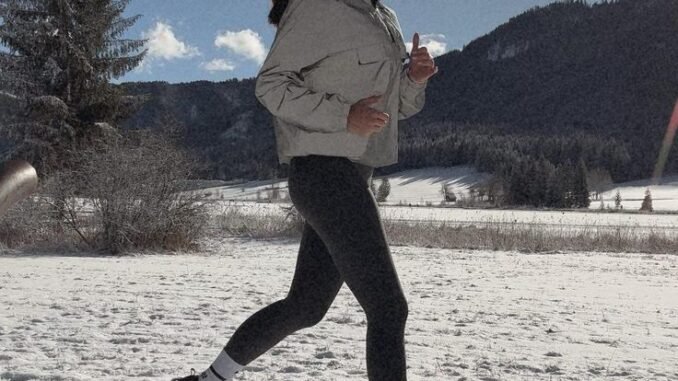
Winter running is one of the simplest ways to stay fit when the temperature drops, because it needs almost no equipment and gets you outside in the fresh air. Start by warming up indoors for five to ten minutes with leg swings, gentle squats, and a brisk walk around your home, so your muscles are already warm before you face the cold. Dress in layers you can remove, wear a hat and gloves, and choose shoes with good grip for icy patches. Keep your first winter runs short and slow, focusing on steady breathing rather than speed, and always let someone know your route. On very icy or stormy days, swap the road for a treadmill and keep the habit alive indoors instead. Wear bright or reflective clothing if you run near roads, since winter light fades early and drivers need to see you clearly.

Snowshoeing for Beginners
Snowshoeing is a wonderful winter workout because it turns an ordinary walk into a full-body exercise that anyone can learn in minutes. Modern snowshoes strap onto your regular winter boots, and the wide frame spreads your weight so you float over deep snow instead of sinking into it. Begin on a flat, groomed trail and walk at a comfortable pace, using poles for balance if you like. You will quickly notice your legs, glutes, and core working harder than on a normal walk, while the quiet, snowy landscape makes the whole outing feel peaceful rather than punishing. Start with thirty minutes, bring water and a snack, and build up to longer adventures as your confidence grows. Check trail conditions before you go, and carry a phone, a map, and a little extra food in case your outing takes longer than planned.

Group Winter Hikes
Everything feels easier with company, and winter hiking is no exception. A group hike gives you conversation, motivation, and an extra layer of safety on cold or remote trails, which makes it perfect for people who struggle to exercise alone in winter. Choose a trail that suits the slowest member of the group, agree on a meeting point and a turnaround time, and pack extra layers, snacks, and a hot drink in a flask for a mid-walk break. Walking on snow and uneven ground challenges your balance and leg strength, and the shared experience turns a workout into a social occasion. Finish with a warm meal together, and you will have a tradition worth repeating every weekend. Remind everyone to wear sturdy waterproof boots and to bring a spare pair of socks, because warm dry feet make the whole walk far more enjoyable.

Hiking Training with a Pack
If you love summer hiking, winter is the ideal time to train for it, and walking with a loaded backpack is one of the most effective ways to build stamina. Start with a light pack on a local walk, then add weight gradually over several weeks until you can carry a comfortable load for an hour or more. Focus on good posture, short steady steps, and strong uphill pushes, and use walking poles to protect your knees on descents. This kind of training strengthens your legs, back, and core while improving your cardiovascular fitness without any gym equipment. It also prepares you mentally for longer trails, because you learn to pace yourself, manage your energy, and enjoy being outdoors in all kinds of weather. Increase your pack weight by no more than ten percent each week, so your joints and back adapt safely to the extra load.

Winter Yoga Outdoors
Yoga and winter may seem like an unlikely pair, but a gentle outdoor practice on a crisp morning can be deeply refreshing. Choose a sheltered spot out of the wind, wear warm layers you can move in, and keep the session short, around twenty minutes, so you do not get cold. Flowing sequences like sun salutations warm the body quickly, while standing poses build leg strength and balance on uneven ground. If the ground is wet or frozen, use a thick mat or practice on a dry porch or balcony instead. Outdoor winter yoga clears the mind, stretches muscles tightened by cold weather, and reminds you that movement does not always have to be intense to be valuable. Finish your outdoor session with a few minutes of slow breathing and gentle stretches indoors, where you can warm up comfortably.

Indoor Track Workouts
When ice, darkness, or storms make outdoor running unappealing, an indoor track is a fantastic winter training ground. Many gyms and community centers offer track access, and the flat, predictable surface is kinder to your joints than frozen pavements. A simple session could include a ten-minute warm-up jog, followed by intervals of one fast lap and one slow lap, repeated six to eight times, and finished with a gentle cool-down. Indoor tracks are also great for walkers, because you can set your own pace without worrying about traffic or weather. Bring water, wear layers you can shed as you warm up, and enjoy the rare luxury of running in shorts while snow falls outside. Vary your track sessions with easy weeks and harder weeks, so your body recovers well and your speed improves steadily over the season.

Indoor Stretching and Mobility
Cold weather tends to tighten muscles and stiffen joints, which is why a dedicated indoor stretching routine is such a valuable winter habit. Set aside fifteen minutes a day for gentle mobility work, moving slowly through hip openers, hamstring stretches, shoulder rolls, and spinal twists. Hold each stretch for thirty seconds and breathe deeply, never forcing a position or bouncing into it. This kind of session improves flexibility, reduces the risk of strains when you do more intense workouts, and eases the aches that come from sitting indoors for long periods. Pair your stretching with calming music or a warm drink afterward, and it becomes a relaxing ritual you will actually look forward to each day. Stretch after every workout, not just on rest days, because warm muscles respond better and you will feel less stiff the next morning.

Chair Workouts at Home
Chair workouts prove that you do not need fancy equipment or a lot of space to stay active in winter. Using a sturdy chair, you can do seated marches, arm raises, leg extensions, gentle twists, and even supported squats, all at your own pace. These exercises are especially helpful for beginners, older adults, or anyone returning to fitness, because the chair provides balance and confidence. Aim for twenty to thirty minutes, moving through each exercise for forty seconds with short rests in between, and repeat the circuit twice. Chair workouts build strength, improve circulation, and keep joints mobile, making them a perfect option for snowy days when leaving the house feels impossible. Listen to your body and rest whenever a movement causes sharp pain, since consistency matters far more than pushing through discomfort.

Strength Training in the Gym
Winter is the classic season for building strength, because the gym is warm, the days are short, and consistent training pays off by spring. A balanced routine might include squats, deadlifts, rows, and presses, performed two or three times a week with rest days in between. Focus on good form rather than heavy weights, especially if you are new to lifting, and increase the load gradually as you grow stronger. Single-leg exercises like the deadlift shown here are particularly useful, because they improve balance and correct strength differences between your left and right sides. Strength training also supports your bones, boosts your metabolism, and makes everyday winter tasks, from carrying groceries to shoveling snow, noticeably easier. Rest for at least one full day between heavy lifting sessions, giving your muscles the recovery time they need to grow stronger.

Barbell Training for Ski Season
If a ski trip is on your winter calendar, barbell training is one of the smartest ways to prepare your body for the slopes. Rotational exercises with a barbell strengthen your core and teach your body to transfer power smoothly, which is exactly what skiing demands through every turn. Combine these with squats, lunges, and calf raises to build the leg endurance that keeps you skiing comfortably all day instead of tiring by lunchtime. Train two or three times a week for at least a month before your trip, and always warm up thoroughly before lifting. Arriving on the mountain already strong means fewer sore muscles, better control, and far more enjoyment on every run. Practice your barbell rotations slowly at first, focusing on control and posture before you add any extra weight to the bar.

Get Ski Fit in Seven Minutes
Short on time but dreaming of the slopes? A seven-minute ski-fit routine can make a real difference if you do it consistently. A typical circuit includes squat jumps, lateral hops, wall sits, lunges, and plank holds, each performed for forty seconds with twenty seconds of rest. These movements mimic the quick direction changes and sustained leg effort of skiing, building both power and endurance in a compact session. Do the circuit once as a warm-up before a longer workout, or repeat it three times for a full session that fits into a lunch break. The key is regularity: a few minutes of focused training most days beats one exhausting session a week, and your knees and thighs will thank you on the mountain. Keep a small towel and water bottle nearby during short circuits, because even seven minutes of effort will raise your heart rate quickly.

Ski Workouts at Home and the Gym
You do not need to live near the mountains to train like a skier. At home, bodyweight exercises such as squats, side lunges, and balance drills build the exact muscles skiing uses, while a gym adds resistance machines and free weights for extra challenge. A good weekly plan mixes two strength sessions with one cardio session, such as cycling or rowing, and a flexibility session to keep your hips and ankles mobile. Practice balancing on one leg while brushing your teeth, or add lateral jumps to your warm-up to train the side-to-side movement of carving turns. This kind of preparation reduces injury risk, improves your stamina, and means you spend your ski holiday enjoying the snow instead of recovering in the lodge. Add balance practice to your ski training twice a week, since strong ankles and steady balance prevent most common skiing falls.

Treadmill Training with a View
A treadmill session becomes far more enjoyable when you have something pleasant to look at, whether that is a snowy window view, a favorite show, or a virtual trail on a screen. Treadmills let you control speed and incline precisely, making them perfect for structured winter workouts like hill intervals, tempo runs, or gentle recovery walks. Try a session of five minutes easy walking, then alternate two minutes of brisk incline walking with two minutes of flat walking for half an hour. The steady rhythm is kind to your joints, and you can stop instantly if you feel tired or dizzy. On dark winter evenings, the treadmill is often the safest and most convenient way to keep your cardio fitness moving forward. Use the treadmill incline to simulate hills, and keep your posture tall with relaxed shoulders instead of gripping the handrails tightly.

Home Gym Winter Setup
Building a small home gym is one of the best investments you can make for winter fitness, because it removes every excuse about weather, travel, and opening hours. You do not need much: a mat, a pair of dumbbells, resistance bands, and perhaps a kettlebell cover most exercises. Set up your equipment near a window if possible, so you get natural light and a view, and keep the space tidy so workouts feel inviting rather than chaotic. A simple routine of squats, presses, rows, and core work, done three times a week, maintains strength and energy through the darkest months. Add a speaker for music or a tablet for guided classes, and your home gym quickly becomes a place you enjoy spending time. Start each home session with a five-minute warm-up of marching, arm circles, and gentle squats to prepare your muscles safely.

Indoor Cardio on Cold Days
On days when the wind chill makes outdoor exercise unpleasant, indoor cardio keeps your heart healthy without any discomfort. Gym machines like treadmills, bikes, ellipticals, and rowers all provide effective workouts, and you can vary the intensity to match your energy level. A thirty-minute session at a moderate pace, where you can still talk but feel slightly breathless, is ideal for general fitness. If you prefer exercising at home, dance workouts, step routines, or even brisk marching in place while watching television all count. The goal is simply to raise your heart rate most days, and indoor cardio makes that achievable no matter how harsh the weather becomes outside your door. Alternate between machines during the week to avoid boredom and to work different muscle groups in a balanced, enjoyable way.

Winter Yoga Studio Practice
A warm yoga studio is a haven in winter, offering heat, calm, and a community of fellow practitioners. Regular studio classes improve flexibility, core strength, and balance, while the focused breathing helps manage the stress and low mood that shorter days can bring. If you are new to yoga, start with a gentle or beginner class and tell the teacher about any injuries or tight areas. Bring a warm layer for the final relaxation, when your body cools down quickly, and arrive a few minutes early to settle in. Practicing once or twice a week through winter keeps your body supple, your mind steady, and your motivation for other workouts much higher. Try a restorative yoga class once a month as well, since deep relaxation supports recovery and keeps your enthusiasm for practice high.

Home Workout Motivation
Staying motivated to exercise at home in winter is often harder than the workout itself, so it helps to treat motivation as part of the plan. Lay out your workout clothes the night before, choose a regular time that fits your day, and start with just ten minutes on low-energy days, since beginning is usually the hardest part. A mirror can help you check your form, while a simple chart on the fridge lets you tick off each session and watch your streak grow. Workout clothes you feel good in, a favorite playlist, and a small reward afterward, like a hot shower or a tasty snack, all make the habit easier to keep. Remember that a short workout always beats no workout at all. Track your workouts in a notebook or app, because seeing your progress over weeks is one of the strongest motivators there is.

Winter Gym Routine
A consistent winter gym routine does not need to be complicated to be effective. Aim for three sessions a week, each lasting forty-five minutes, and structure them around a warm-up, a main strength or cardio block, and a cool-down stretch. For example, Monday could focus on legs, Wednesday on upper body, and Friday on full-body circuits or cardio intervals. Keep a simple notebook or phone log of your weights and times, so you can see progress over the weeks and stay motivated. Gyms are usually quieter in the depths of winter, which means more space and equipment for you. By spring, you will notice real changes in strength, stamina, and confidence. Ask gym staff for help with unfamiliar machines, since good technique protects you from injury and makes every session more effective.

Pilates for Winter Strength
Pilates is a superb winter workout because it builds deep core strength, improves posture, and increases flexibility, all in a warm indoor studio. Using a reformer machine adds gentle resistance that challenges your muscles without stressing your joints, making it suitable for almost every fitness level. A typical class flows through controlled movements that target the abdomen, back, hips, and shoulders, with careful attention to breathing and alignment. Regular practice helps correct the slouching that comes from hunching against the cold, and it complements running, skiing, and lifting by keeping your body balanced. Try one or two classes a week, and you will soon feel stronger, taller, and more stable in every other activity. Wear grip socks for reformer classes and arrive early to set up your machine, so you can relax and focus once class begins.

Running in Fresh Snow
There is something magical about running through fresh snow on a quiet winter morning, when the world feels still and the trail is yours alone. Fresh snow adds gentle resistance that works your legs a little harder, while the soft surface is kinder to your joints than frozen pavement. Wear trail shoes or shoes with extra grip, shorten your stride, and keep your arms slightly wider for balance. Start with a short, easy run and pay attention to how your body feels, since snow running uses stabilizing muscles you may not normally engage. Finish with a warm drink and a thorough stretch indoors, and you will understand why so many runners secretly love winter most of all. After snowy runs, dry your shoes thoroughly and check for ice buildup, so your footwear stays safe and comfortable for the next outing.

Leave a Reply