
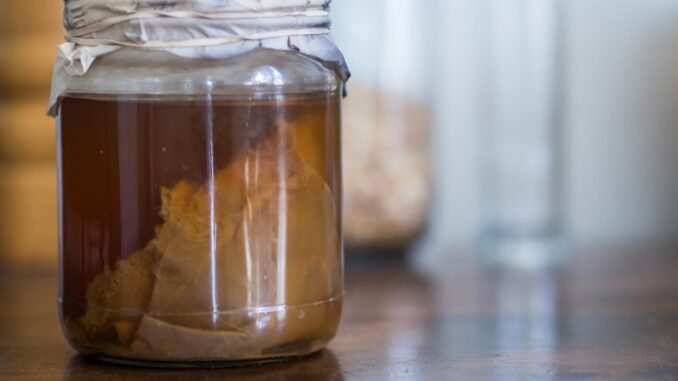
Fizzy, tangy, and packed with living probiotics, kombucha has earned its place as one of the most loved functional drinks in the wellness world. But if you follow a vegan lifestyle, you have probably wondered whether every bottle on the shelf is truly plant-based. The good news is that kombucha is naturally vegan at its core — it is simply fermented sweet tea. The catch is that some commercial brews sneak in honey, non-vegan flavorings, or animal-derived processing aids. This guide to vegan kombucha drinks clears up the confusion once and for all. You will learn what makes kombucha vegan, which brands you can trust, how to brew your own at home with fully plant-based ingredients, and how to turn your brew into delicious flavors and mocktails. Whether you are buying bottles or starting your first SCOBY hotel, everything here keeps your kombucha 100 percent vegan.
What Makes Kombucha Vegan in the First Place
At its heart, kombucha is one of the simplest fermented drinks on earth: sweetened tea cultured with a SCOBY, a symbiotic colony of bacteria and yeast. The microbes consume the sugar during fermentation, producing organic acids, a light fizz, and beneficial probiotics. None of the traditional ingredients — tea leaves, cane sugar, water, and the SCOBY itself — come from animals, which means classic kombucha is vegan by default. The SCOBY is sometimes mistaken for an animal product because it looks like a strange jelly disc, but it is purely a colony of microorganisms, closer to sourdough starter than anything else. Problems only appear when manufacturers add extras: honey as a sweetener, gelatin-based clarifiers, or dairy-derived flavorings. Understanding the base recipe gives you confidence, because once you know kombucha starts vegan, you only need to watch for the exceptions rather than questioning the whole drink.

The Honey Trap: When Kombucha Is Not Vegan
The single biggest reason a kombucha might not be vegan is honey. Some boutique brewers use raw honey instead of cane sugar, either for flavor or marketing appeal, and honey is not considered vegan because it is produced by bees. A few brands also use honey in “jun” — a related ferment made with green tea and honey that is often sold right next to kombucha and easily confused with it. Jun is delicious, but it is never vegan unless the maker specifically substitutes another sweetener. Beyond honey, watch for flavored kombuchas listing “natural flavors” with dairy notes like cream or caramel made with milk, though this is rare. The fix is simple: read the ingredient label every time, even on brands you trust, because limited-edition flavors can differ from the flagship line. When in doubt, contact the company — most kombucha makers happily confirm whether their products are fully plant-based.

Best Store-Bought Vegan Kombucha Brands
If you would rather grab a bottle than brew, several major kombucha brands keep their entire lineups vegan. Look for brewers that ferment with organic cane sugar rather than honey and state “vegan” clearly on the label or website. Many nationally distributed brands use only plant-based ingredients across all flavors, from ginger-lemon to berry blends, and they publish allergen statements confirming no dairy, eggs, or honey. Smaller local brewers are worth exploring too — farmers markets and co-ops often carry regional kombucha made in small batches, and the makers can usually tell you exactly what goes into each flavor. Price varies, but expect to pay roughly three to five dollars per bottle for quality commercial kombucha. Keep a short list of two or three trusted brands on your phone so grocery shopping stays quick, and always double-check seasonal or collaboration flavors before assuming they match the core range.

DIY Vegan Kombucha: The Basic Brewing Setup
Brewing vegan kombucha at home is easier and cheaper than most people expect, and it gives you total control over ingredients. You need a SCOBY with a cup of starter tea, which you can buy from a reputable culture supplier or get from a friend who brews. Your equipment list is short: a one-gallon glass jar, a breathable cloth cover with a rubber band, organic black or green tea, plain cane sugar, and filtered water. Avoid metal containers and antibacterial soaps, which can harm the culture. The whole setup costs less than a case of store-bought kombucha and pays for itself within weeks. Sanitation matters more than fancy gear — wash everything in hot water and rinse well. Once your SCOBY is active and your first batch is fermenting on the counter, you are officially a home brewer, and every future batch starts from the culture you already own.

Choosing Vegan Sugar for Your Brew
Sugar is the fuel your SCOBY needs, but not every sugar is vegan. Standard white cane sugar is sometimes processed with bone char, an animal-derived filter, which strict vegans avoid. The safest choices are certified organic cane sugar, which by regulation cannot be filtered with bone char, or raw turbinado sugar. Both ferment beautifully and give the culture plenty to eat. Avoid honey, agave-only experiments, and artificial sweeteners — honey is not vegan, agave ferments unpredictably, and zero-calorie sweeteners starve the SCOBY. Use about one cup of sugar per gallon of tea for a balanced brew; the microbes consume most of it, so the finished drink is far less sweet than the starting mixture. If you want to be extra careful, look for sugar labeled “vegan” or “organic” at the store. It costs only slightly more and keeps your entire process aligned with your values from the very first batch.

First Fermentation: Tea, SCOBY, and Timing
The first fermentation is where sweet tea transforms into kombucha. Brew a strong batch of tea — about eight bags or four tablespoons of loose leaf per gallon — dissolve your vegan sugar while it is hot, then cool the mixture completely to room temperature before adding your SCOBY and starter tea. Adding the culture to hot liquid can kill it, so patience at this step is essential. Cover the jar with a breathable cloth, secure it with a rubber band, and place it somewhere warm and dark, ideally between 75 and 85 degrees Fahrenheit. Fermentation takes seven to fourteen days depending on temperature and taste preference. Start tasting around day seven with a clean straw: you want a pleasant balance of sweet and tart. When it tastes right to you, it is ready for the second fermentation or for bottling plain.

Second Fermentation: Building Natural Fizz
Second fermentation is the fun part — it is where you add flavor and carbonate your vegan kombucha naturally. Transfer your finished first-ferment tea into swing-top bottles, leaving about an inch of headspace, and add fruit, juice, ginger, or herbs. The remaining yeast eats the new sugars and produces carbon dioxide, which stays trapped in the sealed bottle and creates fizz. Let the bottles sit at room temperature for two to five days, “burping” them daily by briefly opening the cap to release excess pressure and avoid explosions. Once the carbonation tastes lively, move the bottles to the refrigerator, which slows fermentation and keeps the flavor stable. Refrigerated kombucha stays good for several weeks, though the flavor keeps evolving slowly. Always open chilled bottles over the sink — a well-carbonated brew can be enthusiastic.

Ginger-Turmeric Vegan Kombucha
Ginger-turmeric is a classic vegan kombucha flavor for good reason: it is spicy, warming, and packed with feel-good plant compounds. For a sixteen-ounce bottle, add one tablespoon of freshly grated ginger, half a teaspoon of ground turmeric or a thin slice of fresh turmeric root, and a squeeze of lemon juice. The ginger adds a pleasant heat, the turmeric brings earthy depth and a gorgeous golden color, and the lemon brightens everything. A tiny pinch of black pepper is optional but helps your body absorb turmeric’s curcumin. Let it second-ferment for three to four days, burping daily. The result tastes like a sparkling wellness tonic — zesty, slightly peppery, and incredibly refreshing over ice. This flavor is also a crowd-pleaser for skeptics who think kombucha tastes too vinegary, since the bold spices balance the tang beautifully.

Berry Blast Vegan Kombucha
Berries and kombucha are a perfect match — their natural sugars feed a vigorous second ferment while their flavors mellow the tea’s tartness. For each bottle, add a small handful of mashed raspberries, blueberries, blackberries, or strawberries; frozen berries work just as well as fresh and are often cheaper. You can also use a splash of pure berry juice if you prefer a clearer drink. Ferment for two to four days, tasting as you go, since berry sugars carbonate quickly. The finished drink is ruby-red, lightly sweet, and fizzy enough to rival soda. Strain the fruit before serving if you like a smooth pour, or leave it in for a rustic look. Berry kombucha is also the easiest flavor to gift — bottle it in pretty swing-tops with a handwritten label and it looks like something from an artisan shop.

Tropical Mango-Pineapple Vegan Kombucha
When you want your kombucha to taste like vacation, go tropical. Mango and pineapple bring juicy sweetness and plenty of fermentable sugar, which means excellent carbonation and a sunny flavor that even kids tend to love. Dice a quarter cup of ripe mango and a quarter cup of pineapple per bottle, or use unsweetened juice for a smoother result. A few mint leaves or a strip of lime zest add complexity without overpowering the fruit. Second-ferment for two to three days and chill thoroughly before opening. The finished drink is golden, effervescent, and dangerously drinkable — it tastes more like a fancy sparkling juice than a health tonic. Serve it over crushed ice with a pineapple wedge for a poolside mocktail, or keep a bottle in the fridge for an afternoon pick-me-up that beats any energy drink.

Green Tea vs Black Tea Base
The tea you choose shapes your kombucha’s flavor, color, and caffeine level. Black tea is the traditional base — it produces a robust, slightly malty brew with deep amber color and the most reliable fermentation, because its nutrients keep the SCOBY happiest. Green tea makes a lighter, crisper kombucha with grassy notes and a paler golden hue; it contains a bit less caffeine and ferments slightly faster. Many brewers blend the two for the best of both worlds. White tea and oolong also work well for more delicate profiles. Whatever you pick, use plain, unflavored tea without added oils — Earl Grey’s bergamot oil can weaken the culture over time. Both black and green tea are naturally vegan, so this choice comes down purely to taste. Try a batch of each and let your palate decide your house style.

Herbal and Caffeine-Free Vegan Kombucha Options
Strictly speaking, true kombucha must be made from Camellia sinensis — real tea — because the SCOBY needs its specific nutrients to thrive long-term. But you can absolutely brew delicious caffeine-free fermented drinks with a workaround. The trick is to ferment your SCOBY in regular sweet tea for its health, then use strong herbal infusions like hibiscus, rooibos, or chamomile for flavoring during the second fermentation. Hibiscus is the star here: it creates a stunning ruby-red, tart brew that tastes remarkably like kombucha. Rooibos adds a smooth, slightly nutty base. Another approach is to keep a separate SCOBY “hotel” fed on real tea while experimenting with herbal batches short-term. Label everything clearly, since herbal batches should not become your culture’s permanent home. This method gives caffeine-sensitive drinkers and kids a way to enjoy the ritual.

Vegan Kombucha Mocktails for Parties
Kombucha’s natural fizz and complex tang make it a brilliant mocktail base — no alcohol needed to feel festive. For a crowd-pleasing spritzer, fill a glass with ice, add two parts berry or ginger kombucha to one part sparkling water, and garnish with fresh fruit and mint. A “kombucha mule” mixes ginger kombucha with lime juice over crushed ice in a copper mug for serious presentation points. For something elegant, layer tropical kombucha with a splash of pomegranate juice for a sunset gradient effect. Set up a DIY mocktail bar at gatherings: a few kombucha flavors, sliced citrus, berries, herbs, and pretty glasses let guests play bartender. These drinks look gorgeous in photos, keep everyone hydrated, and give non-drinkers something genuinely exciting. Batch the base in a pitcher and let guests top with garnishes.

Kombucha Smoothies: A Probiotic Boost
Adding kombucha to smoothies is an easy way to sneak probiotics into breakfast. Replace some or all of the liquid in your usual smoothie with plain or fruit-flavored kombucha — about half a cup per serving is plenty. The fizz mostly settles during blending, leaving behind a pleasant tang that brightens sweet fruits. Try mango kombucha with frozen pineapple and banana, or berry kombucha with mixed berries and a handful of spinach. Keep the kombucha addition to the end of blending so you do not lose all the carbonation and live cultures to over-processing. One note: heat destroys probiotics, so never warm a kombucha smoothie. This trick also rescues over-tart homebrew — blending it with sweet frozen fruit balances sharp batches beautifully. It is breakfast and gut support in one glass.

Gut Health Benefits of Vegan Kombucha
People drink kombucha mainly for gut health, and the science is encouraging even if it is still emerging. As a fermented food, kombucha contains live probiotic bacteria and yeasts that may support a balanced gut microbiome, plus organic acids like acetic and gluconic acid formed during fermentation. Many drinkers report better digestion and less bloating, though individual experiences vary and human studies are still limited. Kombucha also provides B vitamins produced by the yeast, antioxidants from the tea, and far less sugar than soda. It is not a medicine and will not fix serious digestive conditions on its own, but as part of a fiber-rich, plant-based diet, it is a tasty way to add fermented foods to your routine. Think of it as one supportive habit among many — delicious, refreshing, and plausibly good for your gut.

How Much Kombucha Should You Drink Daily
With any fermented drink, moderation matters. Most nutritionists suggest starting with four to eight ounces a day — about half a cup to a cup — especially if you are new to kombucha, then increasing gradually if it agrees with you. Drinking too much too fast can cause bloating or digestive discomfort as your gut adjusts to the new microbes and acids. A typical daily serving of eight to sixteen ounces is plenty for most people. Keep in mind that kombucha contains small amounts of caffeine from the tea and trace alcohol from fermentation, usually under 0.5 percent for commercial brands, though homebrew can run slightly higher. Pregnant people, those with compromised immune systems, and anyone avoiding alcohol entirely should check with a healthcare provider first. Listen to your body: kombucha should make you feel good, not force a habit.

Common Brewing Mistakes to Avoid
New brewers make the same handful of mistakes, and all are easy to prevent. The most common is adding the SCOBY to hot tea, which kills the culture — always cool the sweet tea fully first. Second is using flavored or oiled teas like Earl Grey for the main ferment, which weakens the SCOBY over time; save those for second fermentation. Third is fermenting in too-cold conditions, which stalls the culture and invites mold; keep your jar consistently warm. Fourth is using metal containers or leaving the jar in direct sunlight. Fifth is panicking over normal SCOBY quirks — brown stringy bits, new layers forming, and vinegary smells are all healthy signs. Actual mold, which looks like dry fuzzy spots in blue, green, or black, is the real red flag; if you see it, discard the batch and start fresh. When in doubt, trust your nose and eyes.

Storing and Bottling Your Kombucha Safely
Safe bottling keeps your vegan kombucha delicious and your kitchen intact. Always use pressure-rated swing-top bottles designed for carbonated drinks — never decorative bottles or thin glass, which can shatter under pressure. Leave an inch of headspace, burp bottles daily during room-temperature second fermentation, and refrigerate as soon as carbonation tastes right. Cold storage dramatically slows fermentation and is your main safety tool. Label every bottle with the flavor and date so you can track what works. Finished kombucha keeps for several weeks refrigerated, though flavor continues to evolve and may grow more tart. If a bottle ever looks over-pressurized or the cap bulges, chill it thoroughly and open it slowly over the sink with a towel over the top. A little caution here prevents the legendary kombucha geyser stories.

Vegan Kombucha on a Budget
Homebrewing slashes the cost of vegan kombucha dramatically. A store-bought bottle runs three to five dollars, while a gallon of homebrew costs roughly two to three dollars in tea and organic sugar — working out to pennies per serving once your SCOBY is established. Your biggest one-time expenses are the jar, bottles, and the initial culture, all of which last for years. Save more by buying tea and sugar in bulk, reusing commercial kombucha bottles with tight caps, and flavoring with seasonal or frozen fruit instead of expensive juices. A single SCOBY produces endless batches and even grows “babies” you can share with friends, spreading the savings. If you drink kombucha daily, homebrewing can save you over a thousand dollars a year. That is real money for a hobby that takes about twenty minutes of active work per batch.

Your 30-Day Vegan Kombucha Plan
Ready to make vegan kombucha a daily ritual? Here is a simple month-long plan. Week one: order your SCOBY and supplies, and brew your first gallon of sweet tea. Week two: taste daily until the flavor balances, then bottle half plain and half with ginger-lemon for second fermentation. Week three: start your second batch using starter tea from the first, and experiment with a berry flavor. Week four: you now have a continuous pipeline — one jar fermenting while you drink the previous batch. By day thirty, you will have tasted several flavors, learned your preferred tartness, and possibly grown a baby SCOBY to gift. Keep notes on timing and flavors so each month gets better. Share your extra SCOBYs with friends and spread the vegan brewing love — good kombucha, like good habits, multiplies when shared.

Leave a Reply