
Winter Skincare Routine
When the temperature drops, your skin usually notices before you do. Cold air outside, dry heated air inside, hot showers, and wool scarves all pull moisture from the skin, leaving it tight, flaky, dull, or suddenly reactive. A winter skincare routine is not about buying a whole new shelf of products. It is about adjusting the routine you already have so that every step protects moisture, supports the skin barrier, and gives your skin time to recover overnight. Small changes, made consistently, can make a visible difference within a few weeks.
This guide walks through a complete winter skincare routine, step by step, from the morning cleanse to the overnight mask. You will learn why winter skin behaves differently, which ingredients actually help, how to layer products without overloading your skin, and how to adapt the routine for dry, oily, combination, and sensitive skin. Whether you want a simple five-step routine or a more complete ritual for cold months, you can build a version that fits your skin, your budget, and your mornings.
Why Winter Changes Your Skin
Winter skin problems start with the air. Cold outdoor air holds very little moisture, and indoor heating dries the air even further. Every time you move between a cold street and a warm room, your skin loses water to the drier environment. The skin barrier, the protective outer layer that keeps moisture in and irritants out, becomes weaker when it is repeatedly dried out.
Hot showers, long baths, harsh cleansers, and heavy exfoliation make the problem worse. Hot water strips natural oils from the skin, while strong foaming cleansers and frequent scrubs remove the lipids that hold the barrier together. Once the barrier is weakened, skin loses water faster, feels more sensitive to wind and fragrance, and can break out or become red more easily.

Start With a Gentle, Creamy Cleanser
The first step in a winter skincare routine is also the easiest to get wrong. If your summer cleanser leaves your face feeling squeaky clean, it is probably too strong for winter. A squeaky feeling means the cleanser has removed not only dirt and sunscreen, but also the natural oils your skin needs to stay comfortable. In winter, switch to a creamy, milky, or oil-based cleanser that dissolves makeup and sunscreen without stripping the skin.
Use a small amount, massage it over damp skin for about thirty to sixty seconds, and rinse with lukewarm water. In the morning, many people do not need a full cleanse at all. A rinse with lukewarm water, followed by toner and moisturizer, is often enough, especially for dry or sensitive skin. If you have oily skin, a gentle morning cleanse can still help, but keep it brief and mild.

Cleanse With Lukewarm Water Only
Water temperature matters more in winter than most people realize. A steaming hot shower feels wonderful on a cold morning, but hot water is one of the fastest ways to dry out skin. It softens the skin barrier, dissolves protective oils, and can increase redness, especially on the cheeks and around the nose. The same applies to washing your face with very hot water at the sink.
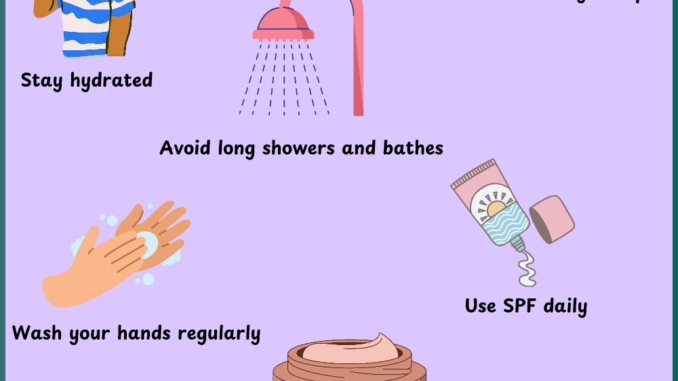
Keep showers short, ideally under ten minutes, and save the hottest water for the end only if you must. When you wash your face, use lukewarm water and pat your skin dry with a soft towel instead of rubbing. Rubbing can create micro-irritation and worsen flaking, particularly if your skin is already dry. Leave your skin slightly damp before the next step.

Layer a Hydrating Toner or Essence
A hydrating toner or essence is the bridge between cleansing and moisturizing in winter. Unlike old-fashioned astringent toners that contained alcohol and left skin feeling tight, modern hydrating toners are watery layers of humectants and soothing ingredients. They add a first layer of water to the skin, help it absorb the serum that follows, and calm any tightness after cleansing.
Apply toner with your hands, not a cotton pad, if your skin is dry or sensitive. Pour a small amount into your palms, press it gently over your face and neck, and let it sink in for a few seconds. You can repeat the step once or twice on very dry days, a technique sometimes called layering. Look for ingredients such as glycerin, panthenol, rose water, or beta-glucan, and avoid alcohol-heavy formulas.

Hyaluronic Acid Serum Done Right
Hyaluronic acid is one of the most useful winter skincare ingredients, but it works best when it is used correctly. It is a humectant, which means it attracts and holds water in the skin. On damp skin, in a humid room, or under a moisturizer, it can leave skin feeling plump and comfortable.
The fix is simple. Apply your hyaluronic acid serum to slightly damp skin, right after toner, and follow it with a moisturizer within a minute or two. Use two or three drops for the whole face, press it in gently, and do not wait for it to dry completely before moisturizing. If you live in a very dry climate or use strong indoor heating, a serum that combines hyaluronic acid with glycerin or ceramides may feel more comfortable than a pure hyaluronic acid formula.

Vitamin C for Winter Brightness
Winter skin often looks dull, partly because dry, flaky surface cells scatter light instead of reflecting it, and partly because we spend less time outdoors. A vitamin C serum in the morning can help restore brightness, support collagen, and provide antioxidant protection against daily environmental stress.
If your skin is sensitive, start with a lower-strength, stable vitamin C formula and use it every other morning at first. Tingling is common, but persistent redness or stinging means the formula is too strong or is being used too often. Apply vitamin C after toner and before moisturizer, and always follow with sunscreen during the day. You do not need to use vitamin C and a strong exfoliating acid at the same time.

Choose a Richer Moisturizer
The moisturizer that worked in summer is often too light for winter. Lightweight gels and lotions evaporate quickly in dry air, leaving skin feeling tight again by midday. In winter, most skin types benefit from a richer cream, at least at night, and many benefit from one in the morning as well.
Look for a balance of humectants, which attract water, emollients, which soften the skin, and occlusives, which seal moisture in. Shea butter, squalane, ceramides, and plant oils are common winter-friendly ingredients. Apply moisturizer to slightly damp skin, using a pea-sized amount for the face and a little more for the neck. If your skin still feels tight after an hour, add a second thin layer or switch to a richer formula.

Ceramides and the Skin Barrier
Ceramides are lipids that naturally occur in the skin barrier, acting like the mortar between bricks in a wall. When ceramide levels drop, because of cold weather, over-cleansing, or over-exfoliation, the wall develops gaps. Water escapes more easily, and irritants enter more easily. That is why barrier-repair moisturizers containing ceramides, cholesterol, and fatty acids are so popular in winter.
You do not need a separate ceramide product if your moisturizer already contains them. Check the ingredient list for ceramide NP, ceramide AP, ceramide EOP, or simply a formula marketed for barrier repair. Use it consistently, morning and night, for at least two to three weeks before judging the result. Barrier repair is gradual.

Seal With a Face Oil When Needed
Face oils are not essential for everyone, but they can be a useful final step in winter, especially for dry skin or for skin that still feels tight after moisturizer. A few drops of a simple facial oil, pressed over moisturizer, act as an extra seal that slows water loss overnight.
Use oil last in your routine, after moisturizer, not instead of it. Oil alone does not hydrate the skin; it seals in the hydration underneath. Warm two or three drops between your palms and press them gently over your face and neck, avoiding the eye area if the oil migrates. If you have oily or acne-prone skin, you may prefer to skip face oil in the morning and use it only on very dry patches, or only at night a few times a week.

Never Skip Sunscreen in Winter
Sunscreen is the most commonly skipped step in a winter skincare routine, and it is also one of the most important. Ultraviolet rays do not disappear in winter. They pass through clouds, reflect off snow, and can damage skin even on gray days. Snow can reflect a significant amount of ultraviolet light, which is why skiers and winter walkers often get sunburned on their faces despite the cold.
Choose a broad-spectrum sunscreen with at least SPF 30, and apply it as the last step of your morning routine, after moisturizer. In winter, a moisturizing sunscreen formula can do double duty, combining sun protection with extra comfort. Use about a finger-length amount for the face and neck, and do not forget the ears, the back of the neck, and the tops of the hands if they are exposed. Reapply if you spend extended time outdoors, especially in snow or at altitude.

Lip Care That Actually Works
Lips have no oil glands of their own, which is why they dry out faster than the rest of the face in winter. Licking dry lips makes the problem worse, because saliva evaporates quickly and leaves lips drier than before. Wind, cold air, indoor heating, and matte lip products all add to the damage.
Start by gently exfoliating lips once a week at most, using a soft washcloth or a very gentle scrub, and only if lips are not cracked or bleeding. Then apply a thick, protective balm containing ingredients such as shea butter, beeswax, lanolin, or petrolatum. Reapply throughout the day, and use a heavier lip mask or thick balm overnight. Keep a balm by your bed, in your coat pocket, and in your bag, so you are never tempted to lick dry lips.

Hand and Body Care Beyond the Face
Winter skincare should not stop at the jawline. Hands, elbows, knees, and shins are exposed to cold air, frequent washing, and rough fabrics, and they often become dry, itchy, or cracked before the face does. Hand washing is essential, but hot water and harsh soaps strip the hands quickly.
Apply a rich hand cream after every wash, and keep one at the sink, at your desk, and in your bag. At night, a thicker hand cream under cotton gloves can help very dry hands recover. For the body, apply lotion or cream within a few minutes of showering, while skin is still slightly damp, and focus on the shins, elbows, and any areas that feel itchy. Wear gloves outdoors, choose soft fabrics against the skin when possible, and avoid very hot, long showers.

Weekly Hydrating Masks
A weekly hydrating mask is a simple way to give winter skin an extra boost, without changing your daily routine. Sheet masks, cream masks, and overnight sleeping masks all work by holding moisture against the skin for a longer period, allowing hydrating ingredients to absorb more fully.
Use a hydrating mask one or two times a week, after cleansing and toning, and follow it with your usual moisturizer. Sheet masks are convenient and mess-free, while cream masks can be left on for ten to twenty minutes and then rinsed or tissue-off. Overnight masks are richer and are best used as the final step at night, a few times a week, rather than every night. If a mask stings, tingles strongly, or leaves redness, rinse it off and skip that formula.

Gentle Exfoliation, Less Often
Exfoliation removes dead skin cells and helps moisturizers absorb better, but in winter, less is usually more. When skin is already dry and sensitive, frequent scrubs or strong acids can damage the barrier, increase redness, and make flaking worse.
Choose a gentle chemical exfoliant, such as lactic acid or a low-strength glycolic or salicylic product, over a harsh physical scrub, especially if your skin is sensitive. Apply it in the evening, after cleansing, and follow with a soothing moisturizer. Skip exfoliation on days when your skin feels sore, windburned, or visibly irritated, and do not combine a strong exfoliant with retinol on the same night unless your skin is used to both. The goal is smoother, more comfortable skin, not a stripped, shiny surface.

The Night Routine: Repair While You Sleep
Night is the best time for winter skincare to do its repair work. While you sleep, skin is not exposed to wind, sun, or makeup, and it can focus on recovery. A good winter night routine is usually richer than the morning routine, because there is no sunscreen or makeup to layer on top, and a slightly heavier cream or sleeping mask will not feel uncomfortable.
A simple night routine might look like this: gentle cleanse, hydrating toner, serum, richer moisturizer, and lip balm. If you use retinol, apply a pea-sized amount after toner and before moisturizer, two or three nights a week at first, and increase gradually only if your skin stays calm. Always pair retinol with extra moisturizer in winter, and skip it on nights when your skin feels irritated.

Use a Humidifier at Home
Skincare products can only do so much if the air around you is extremely dry. Indoor heating can drop relative humidity to levels that pull moisture from skin, hair, and even the lining of the nose. A humidifier adds moisture back into the air, which helps skin stay comfortable, reduces static and dryness, and can make your moisturizer work better.
Place a humidifier in the bedroom, where you spend many hours each night, and aim for indoor humidity around forty to fifty percent if possible. Clean the humidifier regularly, following the manufacturer instructions, to prevent buildup and keep the air clean. If you do not have a humidifier, other habits help: keep showers shorter, avoid overheating rooms, open a window briefly for fresh air when practical, and place a bowl of water near a radiator in very dry rooms.

Eat and Drink for Hydrated Skin
Healthy winter skin is not only about what you put on it. What you eat and drink, how much you sleep, and how you manage stress all affect the skin barrier. Drinking enough water helps overall hydration, although it will not single-handedly fix dry skin. Eating foods rich in healthy fats, such as oily fish, nuts, seeds, avocado, and olive oil, provides the building blocks for skin lipids.
Alcohol, very salty foods, and excessive caffeine can contribute to dehydration and may make winter dryness feel worse for some people. You do not need a perfect diet, but a few consistent habits help: drink water regularly through the day, include a source of healthy fat at most meals, and eat colorful fruits and vegetables when you can. Sleep matters too. Poor sleep increases stress hormones, which can worsen sensitivity and breakouts.

Avoid Common Winter Mistakes
Many winter skin problems come from well-meaning habits that backfire. The most common mistake is over-washing: cleansing twice a day with a strong foaming wash, followed by toner, scrub, and mask, all in one evening. Another is layering too many active ingredients at once, such as retinol, vitamin C, and a strong acid on the same night, which can overwhelm even resilient skin.
Other mistakes include using hot water for every wash, forgetting sunscreen on cloudy days, licking chapped lips, and switching to a completely new routine all at once. If you want to try new products, introduce one at a time, wait a week or two, and watch for redness, stinging, or breakouts before adding the next. Keep the core routine stable: gentle cleanse, hydration, rich moisture, sunscreen in the morning, and repair at night. When in doubt, simplify.

Adapt for Dry, Oily, Combination, and Sensitive Skin
There is no single winter routine that fits every skin type, but the principles stay the same. Dry skin usually needs the richest routine: creamy cleanser, layered toner, hyaluronic acid serum, ceramide cream, and possibly face oil at night. Oily skin still needs hydration in winter, but in lighter layers: gentle gel-cream cleanser, hydrating toner, a light serum, and a non-heavy moisturizer, with richer cream only on dry patches or at night.
Combination skin can use different products on different areas: richer cream on cheeks and drier patches, lighter lotion on the forehead and nose. Sensitive skin should prioritize fragrance-free, simple formulas, introduce new products slowly, and avoid alcohol, strong fragrance, and frequent exfoliation. Acne-prone skin should keep using its prescribed or regular acne treatment if tolerated, but buffer it with extra moisturizer and reduce exfoliation frequency in winter.

Build a Simple Routine You Will Keep
The best winter skincare routine is the one you will actually follow every day. A complicated ten-step routine that feels like a chore will not last past the first cold week. Start with the essentials: gentle cleanser, hydrating toner or serum, moisturizer, and sunscreen in the morning; gentle cleanse, serum, and richer moisturizer at night.
Keep products where you will use them, such as moisturizer by the sink and lip balm by the bed, and make the routine part of an existing habit, like brushing your teeth. Review your routine every few weeks: is your skin comfortable after cleansing, soft by midday, and calm overnight? If yes, keep it stable. If not, change one thing at a time, such as switching to a richer cream or reducing exfoliation. Winter skin changes as the season progresses, so small adjustments are normal.

Winter does not have to mean months of tight, flaky, uncomfortable skin. With a gentle cleanser, lukewarm water, layered hydration, a richer moisturizer, daily sunscreen, and a little extra care for lips, hands, and the air around you, your skin can stay comfortable and healthy through the coldest months. Start with the basics, listen to what your skin tells you each morning, and adjust slowly. A calm, consistent winter skincare routine is the kindest gift you can give your skin this season, and the results, softer, calmer, more resilient skin, are worth the small daily effort.
Leave a Reply