
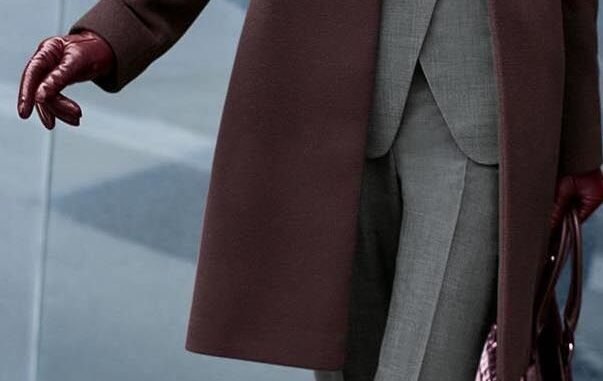
Winter business outfits have to do two jobs at once: keep you warm on a cold commute and look polished the moment you walk into the office. That balance is easier than it looks when you build outfits around tailored coats, warm knits, and trousers or skirts in heavier fabrics. This guide covers twenty ideas for winter workwear, from the classic suit under a long coat to smart casual Fridays and client dinners. Each outfit is practical, professional, and easy to adapt to your office dress code, whether it is formal, business casual, or somewhere in between. Use these ideas to plan your week, refresh a capsule wardrobe, and get dressed with confidence on even the coldest workday.
The Tailored Coat as Your Office Anchor
A tailored coat is the foundation of a winter business wardrobe, because it is the first thing colleagues see and the last thing you take off. Choose a coat in navy, charcoal, or camel with a clean, structured shape, and make sure it fits comfortably over a blazer without pulling at the buttons. A coat that falls to the knee or just below it works over both trousers and skirts, and it keeps you warm on a cold commute. Underneath, you can wear almost anything professional, from a suit to a sweater dress, and the coat will pull it together. Invest in quality here, since a good tailored coat will be worn almost every working day through winter.
When you try on a tailored coat, wear the thickest blazer you plan to layer under it, and check that you can move your arms comfortably. A coat that fits over a shirt but not over a blazer will frustrate you all winter. Also check the pockets, since a coat with deep, usable pockets is far more practical for a commute than one with decorative pockets alone.

The Power Suit, Winterized
A suit does not have to be retired in winter; it simply needs warmer fabrics and smarter layering. Choose wool or a wool blend, which insulates better than lighter fabrics and drapes beautifully. A turtleneck under the blazer replaces a shirt on the coldest days, while tights or thermal leggings under trousers add warmth without changing the silhouette. Closed-toe boots, rather than summer shoes, complete the winter version, and a long coat over the top protects the suit from wind and snow. Keep the colors classic, such as charcoal, navy, or dark brown, and add interest with a scarf or a subtle texture. The result is a suit that feels as appropriate in January as it did in October.

Turtleneck Plus Blazer, Every Time
Few combinations are as reliable for winter work as a turtleneck under a blazer. The turtleneck adds warmth and a clean neckline, while the blazer adds structure and polish. Choose a fitted, ribbed turtleneck in black, cream, or grey, and pair it with a blazer that fits well over it without bunching. This combination works with tailored trousers, a pencil skirt, or even dark jeans in a business-casual office. For a smarter look, choose a dark blazer and matching trousers; for a softer look, try a camel blazer over a cream turtleneck. It is a formula you can repeat all winter with small changes in color and texture, and it rarely fails.
A turtleneck in a fine knit usually layers better under a blazer than a chunky one, which can bunch at the shoulders and sleeves. If your office is warm indoors, choose a breathable fabric such as merino wool or a cotton blend, so you do not overheat once the coat comes off. Rolling the turtleneck slightly, rather than pulling it high, can also soften the look for business-casual days.

The Pencil Skirt in Cold Weather
A pencil skirt can absolutely work in winter, provided you layer it correctly. Pair it with opaque tights, knee-high boots, and a long coat, and the outfit stays warm while still looking sharp. A turtleneck or a fitted sweater tucks neatly into the waistband, creating a clean line from shoulders to boots. Choose a skirt in a heavier fabric, such as wool, rather than a light summer material, and make sure the length allows you to walk comfortably in boots. Dark colors like black, navy, and burgundy are the most versatile, and they pair well with both neutral and colorful tops. A pencil skirt proves that professional winter dressing does not have to mean trousers every day.

Wide-Leg Trousers for the Office
Wide-leg trousers are a comfortable and elegant option for winter work, especially in a heavier fabric like wool. They pair beautifully with a fitted turtleneck or a tucked-in blouse, which balances the volume of the trousers. A blazer worn open over the top adds structure, while a long coat completes the outfit for the commute. Choose a length that just covers the top of your shoes, and wear heeled boots to keep the trousers from dragging. Black, charcoal, and chocolate are the easiest colors to style, but a deep green or burgundy pair can add richness to a winter work wardrobe. Wide-leg trousers offer movement and comfort that slim trousers sometimes lack, without losing professionalism.

The Sweater Dress at Work
A sweater dress is one of the easiest winter business outfits, because it is a complete outfit in a single piece. Choose a dress in a mid-weight knit that skims rather than clings, with a length that feels appropriate for your office, usually at or just above the knee. Pair it with tights and boots, add a blazer or a long coat, and the look is finished. A belt can define the waist if the dress is loose, while simple jewelry keeps the outfit professional. Dark, solid colors are the most versatile, but a subtle ribbed texture adds interest without being distracting. On mornings when you do not want to plan an outfit, a sweater dress is the answer.
For offices with a stricter dress code, choose a sweater dress with long sleeves and a knee-length hem, and pair it with opaque tights rather than sheer ones. A structured coat and a leather bag keep the outfit looking formal, while a colorful scarf can be added for personality without breaking the code. If the dress is sleeveless, a blazer or cardigan worn over it makes it work-appropriate.

Monochrome Business Dressing
Wearing one color for work in winter creates a long, polished line that looks intentional and confident. An all-black outfit, for example, can look sophisticated rather than flat if you mix a wool blazer, a knit top, tailored trousers, and leather boots. All-navy or all-charcoal outfits work the same way, with texture doing the work that color usually does. Monochrome dressing also simplifies mornings, since you do not have to match separate pieces. Add a single contrasting accessory, such as a camel bag or a patterned scarf, if you want a focal point. The key is fit: monochrome outfits look best when every piece fits well, since there is no color contrast to distract from the silhouette.

The Camel and Cream Office Palette
Camel and cream together create a soft, expensive-looking palette that works beautifully for winter business outfits. A camel coat over a cream sweater and brown trousers feels warm and approachable, while still looking professional. Cream trousers are less practical in bad weather, so many people prefer camel trousers with a cream top, which gives the same effect with less risk. Add dark boots to ground the outfit, and keep jewelry simple and gold-toned to complement the warm palette. This combination suits offices that are business-casual rather than strictly formal, and it photographs well for work events. It is a reminder that professional dressing does not have to rely only on dark colors.

Plaid and Tweed for Winter Workdays
Plaid and tweed are classic winter fabrics for the office, because they add pattern and texture while still looking traditional. A plaid skirt with a solid turtleneck is an easy combination, and a tweed blazer over dark trousers adds heritage polish. Keep the rest of the outfit simple when you wear a pattern, so the plaid or tweed can lead without competing. Dark plaids in navy, grey, and burgundy are the most office-appropriate, while brighter plaids can work for creative workplaces. Pair these fabrics with leather boots and a structured bag, and the outfit feels both seasonal and professional. Pattern is a useful tool in winter, when solid dark outfits can start to feel repetitive.

The Long Coat Over a Suit
A long coat over a suit is the classic winter business look, and it works because the coat and suit share the same tailored language. Choose a coat that is long enough to cover the blazer and, ideally, most of the skirt or trousers, so the outfit looks like one continuous line. The coat should fit over the suit without pulling, and the shoulders should align rather than extend far beyond your own. A scarf tucked inside the coat adds warmth and a touch of color, while gloves and a structured bag finish the look. When you arrive at the office, the coat comes off to reveal a complete suit, which is why this combination remains a staple for professionals in cold climates.

Boots That Belong in the Office
Choosing office boots for winter means finding a pair that is warm, walkable, and polished enough for work. Knee-high boots work well with skirts and dresses, while ankle boots pair easily with trousers. A low, stable heel is usually more practical for commuting, and a leather finish looks more professional than a casual suede or rubber boot. Black is the safest choice, but brown boots can work beautifully with camel, navy, and burgundy outfits. Make sure the boots are comfortable enough for a full day, since you will likely wear them from commute to desk. Some people keep a pair of office shoes at their desk and wear weather boots for the commute, which is a practical solution on snowy days.
Try your office boots on with the trousers and skirts you actually wear to work, since a boot that looks perfect with jeans may not work with a pencil skirt. A boot with a slightly pointed toe tends to look smarter than a round-toe style, and a heel of two to three inches is usually the most comfortable for a full day. Keep boots polished and protected from salt and slush, since scuffed boots can undermine an otherwise polished outfit.

Layering Without Bulk
Layering for winter work is a skill, because too many thick layers can make a professional outfit look bulky and shapeless. Start with a thin thermal base layer that sits close to the body, add a fitted sweater or blouse, and finish with a blazer or coat. Each layer should be slightly looser than the one beneath it, so the outfit drapes rather than bunches. Avoid chunky knits under fitted blazers, and save oversized sweaters for days when you do not need a blazer. A long, thin scarf can add warmth without bulk, and it can be removed indoors. The goal is an outfit that looks streamlined at the office and still keeps you warm outside, which is achievable with thin, well-chosen layers.

The Shirt Dress in Winter
A shirt dress can transition into winter with the right layers, and it offers a polished alternative to trousers. Choose a shirt dress in a heavier fabric, or layer a turtleneck underneath a lighter one for extra warmth. Tights and boots complete the winter version, while a blazer or long coat adds structure. A belt defines the waist and stops the dress from looking shapeless over layers. Solid colors and subtle patterns, such as a fine stripe, are the most versatile for work, and they pair well with both neutral and colorful accessories. A shirt dress is also easy to pack and wear for work travel, since it is a complete outfit that needs only boots and a coat to finish it.

Smart Casual Fridays in Winter
Smart casual Fridays in winter still need to look intentional, even when the dress code relaxes. Dark jeans with a blazer, a turtleneck, and ankle boots is a reliable combination, as is a sweater dress with boots and a long coat. The key is to keep fabrics and fits polished: choose dark, well-fitting jeans rather than faded or distressed ones, and pair them with structured rather than slouchy tops. A coat that looks smart, rather than sporty, also helps the outfit feel work-appropriate. Accessories should stay simple, with a leather bag and minimal jewelry. Smart casual does not mean casual in the weekend sense; it means professional with a little more comfort and personality.

Color in a Conservative Office
Even in a conservative office, winter is a good time to introduce color carefully. A burgundy sweater under a charcoal blazer, a deep green scarf with a navy coat, or a camel coat over an all-black outfit can add warmth without breaking dress codes. The safest approach is to keep the suit or trousers neutral and add color in one place, such as a top, scarf, or pair of boots. Rich, muted colors tend to work better than bright ones in formal settings, and they suit the winter season. Color can also improve how you feel on dark winter mornings, which is a practical benefit as well as a style one. Small, deliberate touches of color are usually more effective than a head-to-toe bright outfit.

The Winter Work Capsule
A winter work capsule simplifies getting dressed, because a small set of versatile pieces can create many professional outfits. Start with two blazers, three turtlenecks, two pairs of tailored trousers, one pencil skirt, and one sweater dress, all in coordinating neutrals. Add a long coat, a pair of knee-high boots, and a pair of ankle boots, plus scarves and a structured bag. With these pieces, you can build outfits for formal meetings, everyday office days, and smart casual Fridays without buying something new each week. A capsule also makes it easier to see what is missing, so future purchases are more useful. The goal is not to own less for its own sake, but to own pieces that all work hard together.
A capsule works best when the colors are chosen deliberately: pick two neutrals, such as black and camel, plus one accent color you enjoy wearing, such as burgundy or navy. Every new piece should work with at least three pieces you already own, which stops impulse buys that sit unworn. Review the capsule at the end of each season and note which pieces you reached for most, since those are the ones worth replacing with better quality next year.

Meeting-Ready in Minutes
Some workdays require an outfit that can go from desk to meeting to client dinner without a change, and winter makes that harder. The solution is an outfit with a strong foundation, such as a dark suit or a tailored dress, plus a coat and accessories that can be adjusted. A blazer that stays on for meetings, a scarf that can be removed indoors, and boots that look polished all day are the key pieces. Keep a spare pair of shoes at the office if your commute boots are more practical than polished. Simple, classic jewelry also helps an outfit transition between settings. When your base outfit is meeting-ready, small changes in accessories are enough to adapt it through the day.

Commuting in Style
A winter commute tests an outfit, with cold platforms, icy sidewalks, and crowded transport all taking their toll. Choose a coat that is warm and windproof, boots with good grip, and a bag that can be worn crossbody to keep your hands free. A hat and gloves that match your coat keep the outfit looking coordinated, even when you are bundled up. If your office shoes are different from your commute boots, carry them in a tote rather than wearing them through snow. Dark colors and durable fabrics handle commuting better, and a coat with pockets keeps a phone and travel card accessible. Commuting in style is less about fashion and more about planning, but the right choices make both possible.

Office Party and Client Dinner Looks
Winter office parties and client dinners call for outfits that are a step above everyday workwear, without being as formal as evening wear. A velvet blazer over tailored trousers, a satin blouse with a pencil skirt, or a simple dress with a long coat can all work, depending on the occasion. Rich colors such as burgundy, emerald, and navy suit these events, and a little sparkle from jewelry or a clutch adds a festive touch. Keep the outfit comfortable enough to sit, eat, and move around in, since these events often last several hours. A coat that complements the outfit, rather than a purely practical one, is worth choosing for the evening. The goal is to look polished and celebratory, while still feeling like yourself.

A Week of Winter Business Outfits
Planning a week of winter business outfits in advance can save time and reduce morning stress. Start with Monday in a dark suit and long coat, Tuesday in a turtleneck and blazer with wide-leg trousers, and Wednesday in a sweater dress with boots. Thursday can be a pencil skirt with a patterned blazer, and Friday can be smart casual with dark jeans and a blazer. Repeating a coat and boots across the week is normal and practical, while changing tops, scarves, and jewelry keeps each day feeling different. Laying outfits out the night before, or planning them on Sunday, makes winter mornings smoother. A planned week also reveals gaps in your wardrobe, so you can fill them intentionally rather than buying impulsively.

Leave a Reply