
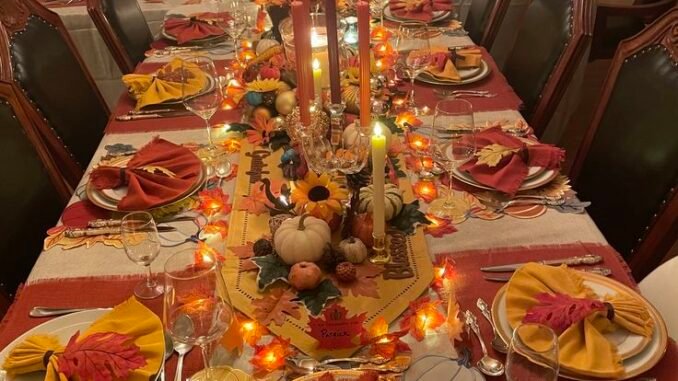
Thanksgiving dinner is the biggest home-cooked meal of the year for many American families, and a great menu balances tradition with dishes that actually taste as good as they look. The recipes below cover the whole table, from the golden roast turkey at the center to the pies, sides, and drinks that make the meal feel complete. Each section explains what makes the dish work, how to get it right, and simple ways to adapt it for your kitchen, your schedule, and your guests. These ideas will help you serve a dinner that feels generous, relaxed, and memorable.
Classic Roast Turkey
A classic roast turkey is the centerpiece of Thanksgiving dinner, and the secret to a juicy bird is simpler than most cooks expect. Start with a fully thawed turkey, pat the skin dry, and season generously inside and out with salt, pepper, and fresh herbs. Roasting at a steady moderate temperature, with the breast protected by butter and herbs, gives you crisp golden skin without drying out the meat. Let the turkey rest for at least thirty minutes before carving so the juices settle and every slice stays moist.
For the best results, use a meat thermometer rather than guessing by time alone. The thickest part of the thigh should reach 165 degrees Fahrenheit, and the breast should be just at that temperature too. Carve the legs and wings first, then slice the breast meat against the grain for tender pieces. Serve the turkey on a warm platter with fresh herbs and citrus for color, and save the pan drippings, because they are the base for the richest gravy you will ever make.

Herb Butter Turkey Breast
When a whole turkey feels like too much, an herb butter turkey breast is the perfect smaller centerpiece. A bone-in breast cooks faster, carves easily, and still delivers that golden roasted flavor everyone expects at Thanksgiving. Rub softened butter mixed with thyme, rosemary, sage, and garlic under and over the skin, then roast until the skin turns crisp and the meat is juicy. The herb butter bastes the breast as it cooks, so you get rich flavor in every slice.
This option is ideal for smaller gatherings, weeknight-style celebrations, or a second turkey for a big crowd. Let it rest for twenty minutes before slicing, and spoon the pan juices over the meat. Leftover slices are wonderful the next day, layered into sandwiches or chopped into a hearty turkey soup.

Honey Glazed Ham
A honey glazed ham brings a sweet, caramelized contrast to the Thanksgiving table, and it is one of the easiest main dishes you can serve. A fully cooked spiral-sliced ham only needs gentle warming and a good glaze, so the oven does most of the work. Brush on a mixture of honey, brown sugar, mustard, and a splash of cider, then baste it as it heats so the glaze builds into a shiny, flavorful crust. The result is tender, juicy ham with crisp, sweet edges.
Ham is a smart choice when your guests have mixed tastes, because it pairs beautifully with both classic turkey sides and lighter salads. Slice it at the table or in the kitchen, and arrange the slices overlapping on a platter with the warm glaze spooned over the top. Save the bone for soup later in the week, and keep extra slices for sandwiches, breakfast hash, or a quick ham and cheese melt the next day.

Creamy Mashed Potatoes
Creamy mashed potatoes are the comfort dish every Thanksgiving guest expects, and great ones depend on technique more than fancy ingredients. Choose starchy potatoes such as russets or Yukon Golds, boil them until completely tender, and drain them well before mashing. Warm milk, melted butter, and a little cream cheese or sour cream give the potatoes a silky texture and gentle tang. Mash just until smooth, because overworking the potatoes turns them gluey and heavy.
Season the potatoes well with salt and a little white pepper, then taste and adjust before serving. For a richer version, roast a head of garlic and fold the soft cloves into the mash. For a lighter table, swap half the butter for warm olive oil and finish with fresh chives. Keep the potatoes warm in a covered dish in a low oven, and dot the top with butter just before serving so the first spoonful looks as inviting as it tastes.

Savory Herb Stuffing
Savory herb stuffing is the dish guests argue about most, because every family has its own version. The best stuffing starts with good bread, dried out overnight or toasted in the oven so it can absorb broth without turning to mush. Cook onion, celery, and garlic in plenty of butter, add sage, thyme, and rosemary, then toss everything with warm stock and eggs. Bake it in a buttered dish until the top is crisp and golden while the center stays moist.
You can make stuffing your own with thoughtful additions rather than a long list of extras. Sausage adds richness, mushrooms add earthiness, and diced apple adds a gentle sweetness that pairs well with turkey. Bake the stuffing separately from the bird for food safety and a better texture, and prepare it a day ahead if you want an easier holiday morning. Reheat it covered, then uncover it for the last few minutes to restore the crunchy top.

Green Bean Casserole
Green bean casserole has been a Thanksgiving staple for generations, and the classic version still works beautifully. Tender green beans are folded into a creamy mushroom sauce, topped with crisp fried onions, and baked until bubbling. The contrast between the soft beans, the rich sauce, and the crunchy topping is what makes the dish so satisfying. Fresh or frozen beans give a brighter color and firmer bite.
If you want to upgrade the classic, make the mushroom sauce from scratch with sauteed mushrooms, garlic, and cream. It takes a little more time, but the flavor is deeper and fresher than any canned soup version. Assemble the casserole a day ahead and refrigerate it, then add the onion topping just before baking so it stays crisp. Serve it straight from the baking dish, family style, with a spoon for the creamy sauce.

Sweet Potato Casserole
Sweet potato casserole sits happily between a side dish and a dessert, and that is exactly why people love it. Mashed sweet potatoes are mixed with butter, brown sugar, cinnamon, and a little vanilla, then topped with either toasted marshmallows, a pecan streusel, or both. The topping you choose changes the whole dish, so pick marshmallows for a nostalgic version or pecans for a crunchier, less sweet result. Either way, the creamy orange base should be smooth and well seasoned.
Roasting the sweet potatoes instead of boiling them concentrates their natural sweetness and keeps the mixture from getting watery. Mash them while they are still warm, and taste before adding sugar, because sweet potatoes vary a lot in sweetness. You can assemble the casserole a day ahead and bake it on Thanksgiving Day. Let it rest for ten minutes before serving so the topping sets and the servings hold their shape.

Homemade Cranberry Sauce
Homemade cranberry sauce takes about fifteen minutes and tastes far better than anything from a can. Fresh cranberries, sugar, orange juice, and a little zest simmer together until the berries burst and the sauce thickens. The sauce will look thin in the pan, but it sets as it cools into a glossy, jewel-toned condiment. A cinnamon stick or a splash of vanilla adds warmth without overpowering the bright cranberry flavor.
Make the sauce up to a week ahead and keep it in the refrigerator, because the flavor actually improves with time. Serve it chilled or at room temperature in a small bowl next to the turkey. Leftover cranberry sauce is incredibly useful, so save it for sandwiches, swirl it into yogurt, or spoon it over vanilla ice cream. Once you taste the fresh version, you may never go back to the canned kind again.

Roasted Brussels Sprouts
Roasted Brussels sprouts have converted many skeptics, because high heat turns them crisp, caramelized, and nutty instead of soft and bitter. Halve the sprouts, toss them with olive oil and salt, and roast them cut side down in a hot oven until the edges are deeply browned. A drizzle of balsamic vinegar, honey, or maple syrup at the end adds a sweet-tart finish that pairs beautifully with rich Thanksgiving dishes.
For a more festive version, toss the roasted sprouts with toasted pecans, dried cranberries, or crumbled bacon. The key is to avoid crowding the pan, because sprouts steam instead of roast when they are packed too closely. Roast them in a single layer and resist stirring too often so the cut sides can caramelize properly. Serve them hot from the oven, because they lose their crispness quickly once they sit.

Baked Mac and Cheese
Baked mac and cheese is the comfort dish that disappears first at many Thanksgiving tables, especially when children are among the guests. A good version starts with a smooth cheese sauce made from butter, flour, milk, and a blend of sharp cheddar and a melting cheese like Gruyere or Monterey Jack. Cook the pasta just short of done, because it will keep cooking in the oven. A buttery breadcrumb topping adds the crunch that makes baked mac and cheese so satisfying.
For the creamiest result, grate your own cheese rather than using pre-shredded cheese, which contains coatings that can make the sauce grainy. Season the sauce well with salt, mustard, and a pinch of nutmeg, and taste it before adding the pasta. Bake until bubbling and golden, then let it rest for ten minutes before serving so the sauce thickens and the portions hold together.

Southern Cornbread Dressing
Southern cornbread dressing is a beloved regional cousin of classic stuffing, and it deserves a place on any Thanksgiving table. The base is crumbled cornbread, often mixed with a little white bread, cooked with onion, celery, and sage in plenty of butter and stock. The texture is softer and more spoonable than bread stuffing, with a golden, slightly crisp top. Sage is the defining seasoning, so use it generously and taste as you go.
Cornbread dressing pairs especially well with ham, but it is just as good beside roast turkey and gravy. Bake it in a cast iron skillet for the crispiest edges, or in a buttered baking dish for easy serving. You can make the cornbread several days ahead and crumble it when you are ready to assemble the dressing. Serve it warm, with extra gravy on the side, and watch it become the dish guests ask about every year.

Rich Turkey Gravy
Rich turkey gravy ties the whole Thanksgiving meal together, and the best gravy starts with the pan drippings from your roast turkey. After the turkey rests, pour off the drippings, skim the fat, and whisk flour into the fat to make a roux. Add warm stock and the defatted drippings slowly, whisking constantly, until the gravy is smooth and thick enough to coat a spoon. Season with salt, pepper, and a splash of cider or white wine for brightness.
If you do not have enough drippings, a good stock-based gravy still tastes wonderful. Brown the flour a little longer for a deeper color, and add a spoonful of soy sauce or Worcestershire sauce for savory depth. Make the gravy just before serving, or keep it warm in a saucepan over low heat, whisking now and then. Strain it for a silky finish, and serve it in a warm gravy boat so it stays hot at the table.

Honey Roasted Carrots
Honey roasted carrots are a simple, colorful side that adds sweetness and brightness to a heavy holiday menu. Whole or halved carrots roast beautifully with olive oil, honey, and fresh herbs until tender and caramelized at the edges. The honey helps the carrots brown and gives them a glossy finish, while thyme or rosemary keeps the flavor savory rather than dessert-like. Choose carrots of similar size so they cook evenly.
This dish is easy to scale for a crowd and easy to time, because the carrots can roast alongside other dishes at a moderate oven temperature. Toss them halfway through cooking, and finish with a squeeze of lemon or a sprinkle of flaky salt just before serving. The bright orange color looks beautiful next to turkey, stuffing, and cranberry sauce.

Soft Homemade Dinner Rolls
Soft homemade dinner rolls are worth the effort, because nothing beats warm bread fresh from the oven on Thanksgiving Day. A simple enriched dough with milk, butter, eggs, and a little sugar bakes into pillowy rolls with golden tops. Knead the dough until smooth, let it rise until doubled, then shape the rolls and let them rise again before baking. Brushing the tops with melted butter as soon as they leave the oven keeps them soft and shiny.
You can make the dough a day ahead and refrigerate it overnight, which makes holiday morning much calmer. Let the shaped rolls come to room temperature and rise before baking, and bake them just before dinner so they arrive at the table warm. Rolls are perfect for mopping up gravy, building small sandwiches from leftovers, and rounding out the meal. Make a few extra, because guests always ask for one more.

Butternut Squash Soup
Butternut squash soup is a wonderful first course for Thanksgiving dinner, because it is warm, velvety, and light enough to leave room for the main meal. Roasted butternut squash blends with sauteed onion, garlic, and ginger into a silky soup, finished with a little cream or coconut milk. A swirl of cream, toasted pumpkin seeds, and crispy bacon or sage leaves makes each bowl look special without much extra work.
Serve the soup in small cups or bowls as guests arrive, so the meal starts with something cozy while the turkey rests. You can make the soup several days ahead and reheat it gently, adding a little stock if it thickens too much. For a dairy-free version, use coconut milk. The soup also freezes well, so a double batch gives you an easy weeknight dinner long after the holiday ends.

Festive Fall Salad
A festive fall salad brings freshness and color to a table full of rich, heavy dishes, and guests will appreciate the balance. Start with sturdy greens such as kale or romaine, then add pomegranate seeds, candied pecans, crumbled goat cheese, and roasted squash or sweet potato. A simple vinaigrette with maple, mustard, and apple cider vinegar ties the flavors together without weighing the salad down. The combination of sweet, salty, crunchy, and creamy is what makes it work.
Assemble the salad just before serving so the greens stay crisp, but prepare all the components ahead of time. Toast the nuts, roast the squash, and whisk the dressing the day before, then toss everything together at the last minute. A big, beautiful salad also gives vegetarian guests a satisfying option alongside the sides. Serve it on a wide platter rather than in a deep bowl so every serving gets a little of everything.

Classic Pumpkin Pie
Classic pumpkin pie is the dessert most people expect at Thanksgiving, and a good one is all about the filling and the crust. The filling should be smooth, gently spiced with cinnamon, ginger, and nutmeg, and just sweet enough to balance the earthy pumpkin. A flaky, well-baked crust matters just as much, so blind bake it briefly if you worry about a soggy bottom. Bake the pie until the center is just set, because it will continue to firm up as it cools.
Let the pie cool completely before slicing, and serve it with lightly sweetened whipped cream or a scoop of vanilla ice cream. You can bake the pie a day ahead and refrigerate it, which frees up oven space on Thanksgiving Day. For a twist, add a little maple syrup to the filling or a pinch of black pepper to the crust. However you serve it, pumpkin pie is the sweet ending that makes the whole meal feel complete.

Southern Pecan Pie
Southern pecan pie is the richest dessert on the Thanksgiving table, with a gooey, caramel-like filling and a generous layer of toasted pecans. The filling comes together quickly from corn syrup or golden syrup, brown sugar, butter, eggs, and vanilla, poured into a flaky pie crust and baked until just set. The pecans rise to the top and toast as the pie bakes, giving every slice a beautiful, nutty crunch.
Serve pecan pie at room temperature or slightly warm, with whipped cream or ice cream to balance the sweetness. Because the pie is so rich, small slices are plenty, which means one pie can serve a large crowd. Bake it a day ahead if you like, and store it covered at room temperature. For a deeper flavor, toast the pecans before adding them, or add a splash of bourbon to the filling for an adults-only version.

Leftover Turkey Sandwiches
Leftover turkey sandwiches are one of the best parts of Thanksgiving, and the best ones go beyond plain sliced turkey on bread. Start with good bread, such as a crusty roll or toasted sourdough, and layer sliced turkey with cranberry sauce, stuffing, and a little gravy. The combination of savory turkey, tart cranberry, and soft stuffing tastes like Thanksgiving in every bite.
For a warmer version, make a turkey melt with melted cheese, cranberry sauce, and sliced turkey pressed in a skillet until golden. Or chop the turkey and mix it with mayonnaise, celery, and herbs for a turkey salad sandwich. Pack sandwiches for lunch the next day, or set up a sandwich station on the evening of Thanksgiving so guests can build their own. However you make them, leftover sandwiches turn the holiday meal into a second celebration.

Cranberry Holiday Drinks
Cranberry holiday drinks add a festive, jewel-red touch to the Thanksgiving table, and they work for guests of all ages. A simple cranberry spritzer combines cranberry juice, sparkling water, and a squeeze of lime, garnished with fresh cranberries and a sprig of rosemary. For an adults-only version, the same base works beautifully with vodka, gin, or sparkling wine. A sugared rim on the glass makes the drink feel extra special.
Make a big batch in a pitcher or punch bowl so guests can help themselves, and keep a non-alcoholic version beside it for children and non-drinkers. Freeze cranberries into ice cubes ahead of time for a pretty garnish that keeps drinks cold without watering them down. Serve the drinks in stemmed glasses with a cinnamon stick stirrer for a warm, spiced aroma. A beautiful holiday drink is a small detail that makes the whole table feel more celebratory.

Leave a Reply