
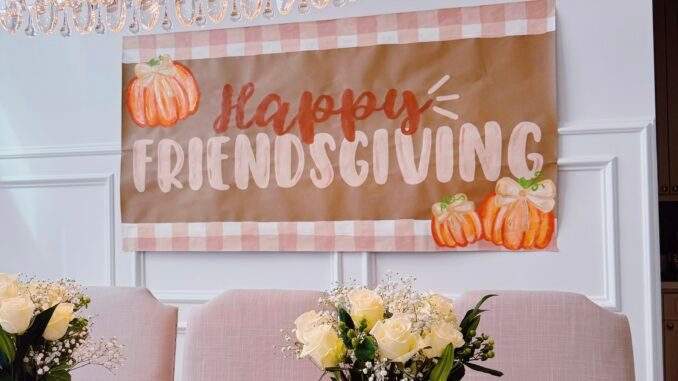
Friendsgiving Ideas
Friendsgiving has become one of the most loved gatherings of the fall season, and for good reason. It takes everything wonderful about a holiday meal, delicious food, a beautiful table, and people you genuinely enjoy, and removes the pressure that can come with a formal family event. There are no rigid traditions to follow and no seating plans handed down through generations. Instead, you get to invent your own celebration with the friends who feel like family. Whether you are hosting ten people in a small apartment or thirty in a spacious dining room, the best Friendsgiving ideas focus on warmth, generosity, and ease. This guide walks you through twenty practical ideas for food, decor, games, and atmosphere, so you can plan a gathering that feels joyful rather than stressful and leaves every guest already asking about next year.
Set the Tone with a Warm Welcome

The first thing your guests notice is not the turkey or the table settings, but the feeling they get when they walk through the door. A warm welcome can be as simple as music playing softly, the smell of something delicious in the oven, and a host who is relaxed enough to greet everyone with a smile. A small chalkboard with a friendly greeting, a basket for coats, and a drink station near the entrance will do the job beautifully. When guests feel welcome right away, they relax, start talking, and enjoy the evening far more.
Think about the first ten minutes from your guests’ point of view. Is it clear where to put their coats and their dish? Is there someone offering a drink? A bowl of nuts, a scented candle, and soft music set a comfortable mood.
Pick a Theme Everyone Can Enjoy

A theme gives your Friendsgiving a sense of purpose and makes planning much simpler, because every choice, from food to decor, can follow one clear idea. You might choose a classic harvest theme with pumpkins and warm colors, a cozy flannel and bonfire night, or a glamorous evening with gold accents and candles. A simple dress code suggestion helps everyone feel part of the celebration.
Once you pick a theme, use it lightly rather than forcing every detail to match. A few balloons, a matching table runner, and one signature dish can carry the whole idea. If your theme is harvest, scatter mini pumpkins down the table and serve apple cider. Keep the theme visible but relaxed, so guests notice it and smile. The goal is a party that feels thoughtful, not staged.
Plan a Potluck That Actually Works

A potluck is the secret weapon of a great Friendsgiving, because it spreads the work, the cost, and the creativity across the whole group. The trick is to organize it well instead of letting everyone bring the same dish by accident. Start by making a simple list of categories, such as a main dish, two sides, a salad, bread, dessert, and drinks, and let guests claim what they would love to make.
As the host, take charge of the main dish and the basics, such as plates, cutlery, drinks, and ice, so no guest feels burdened. It also helps to ask about dietary needs early, so vegetarians and guests with allergies have plenty to enjoy. When everyone contributes a dish they are proud of, the table becomes a shared story. That spirit of sharing is exactly what Friendsgiving is all about.
Start with Appetizers People Can Graze On

Guests rarely all arrive at the same moment, so appetizers that can sit out and be grazed on are a lifesaver for the host. A generous board of cheese, fruit, crackers, and cured meats lets early arrivals snack happily while you finish cooking. Choose a mix of flavors and textures, such as a soft cheese, a sharp cheese, something salty, something sweet, and plenty of fresh fruit.
Keep the appetizer station away from the stove so guests do not gather where you are working. A side table, a kitchen island, or even a sturdy coffee table can serve as the grazing spot. If you want a seasonal touch, add figs, grapes, and sprigs of rosemary for a fall feeling. The goal is a welcoming spread that buys you time and keeps conversation flowing while dinner comes together.
Build a Showpiece Grazing Board

A showpiece grazing board does more than feed your guests, it becomes the centerpiece everyone gathers around and photographs. Start with a large wooden board or a clean baking sheet, then place small bowls for dips and olives first so they anchor the design. Next, add cheeses in different shapes, fold cured meats into loose roses or ribbons, and fill the gaps with fruit, nuts, and crackers.
The best grazing boards balance rich and fresh flavors, so pair salty meats with sweet fruit and creamy cheese with crunchy crackers. Do not worry about perfect symmetry, because a slightly overflowing, natural look feels more generous and inviting. Make the board early in the day and cover it until guests arrive. A beautiful board feeds many people from one station and lets guests with different tastes all find something they love.
Try a Wreath-Shaped Snack Board

If you want a snack board that feels extra special for Friendsgiving, arrange it in the shape of a wreath. A round board works best, and you simply leave the center open while arranging cheese, meats, fruit, and herbs in a circle around the edge. Fresh rosemary sprigs tucked between the items create the leafy look of a wreath, and bright pops of cranberries, cherries, and orange slices add festive color.
A wreath board is also a wonderful conversation starter, because guests notice the shape right away and ask how you made it. Place it in the center of the table or on a sideboard where everyone can reach it, and keep a few extra crackers nearby for refills. It is a small creative twist that turns an ordinary appetizer into a memorable part of the party.
Feed a Crowd Without a Formal Menu

Not every Friendsgiving needs a sit-down dinner with courses and carving at the table. A relaxed, buffet-style spread can actually be more fun, because guests move around, try a little of everything, and chat with people they might not sit beside at a formal meal. Set up a long table or counter with a main dish, several sides, bread, and a dessert section, then let everyone serve themselves.
The key to a successful buffet is flow. Arrange plates first, then mains, sides, and sauces, and put drinks and cutlery at the end so guests are not juggling too much at once. Keep hot dishes in slow cookers or covered trays, and set out small plates for seconds. Most importantly, it keeps the mood casual and generous, which is exactly the spirit that makes Friendsgiving special.
Seat Friends So Conversation Flows

Seating can quietly make or break a dinner party, because the best conversations happen when people feel comfortable and included. If you have a single long table, mix up close friend groups so everyone meets someone new, but keep at least one familiar face near each guest. Avoid seating couples side by side for the whole meal if you want lively talk, since people tend to chat only with the person next to them.
If your space is small, do not worry about one perfect table. A mix of a dining table, a card table, and a cozy corner with cushions can work beautifully, as long as everyone has a plate, a drink, and room to eat comfortably. The best seating plan is one that guests barely notice, because they are too busy laughing and talking to think about where they are sitting.
Serve a Main Course Worth Gathering For

The main course is the heart of Friendsgiving, and it does not have to be a whole roasted turkey to feel special. A beautifully roasted chicken, a slow-cooked pot roast, or a glazed ham can be just as celebratory and far easier to manage in a small kitchen. If you do choose turkey, consider a turkey breast or a spatchcocked bird.
Pair your main dish with sides that can be made ahead, such as stuffing, roasted vegetables, and a bright cranberry sauce. This way, you are not juggling ten hot dishes at the last minute. If you have vegetarian guests, add one hearty meat-free main, like a stuffed squash or a rich mushroom dish, so everyone shares in the celebration. A generous, well-cooked main course tells your friends that they are worth the effort.
Create a Tablescape with Pumpkins and Gold

A beautiful tablescape does not require a large budget or professional styling, just a clear color palette and a few repeated elements. White and gold pumpkins paired with greenery and warm fairy lights create an elegant look that works for both casual and dressier gatherings. Start with a simple runner down the center of the table, then place pumpkins of different sizes along it, tucking in sprigs of eucalyptus or rosemary for softness.
The secret to a tablescape that looks polished is restraint. Choose two or three colors and repeat them, rather than mixing every fall decoration you own. Keep the centerpiece low enough that guests can see each other across the table, because conversation matters more than height. When the table looks inviting, guests linger longer and feel that the evening was planned with care.
Light the Table with Candles and Turkey Touches

Candlelight instantly makes a dinner feel special, and small turkey-shaped candle holders add a playful seasonal touch that guests will remember. Mix pillar candles, tea lights, and tiny holders at different heights to create a warm glow that flatters everyone and softens the room. A few well-placed candles do more for atmosphere than an expensive floral arrangement, and they cost very little.
Pair your candles with natural elements like mini pumpkins, pinecones, and autumn leaves scattered sparingly along the table. The combination of flickering light and harvest colors feels festive without looking cluttered. If you are worried about open flames, battery candles with a warm glow look surprisingly realistic and let you relax completely. Dim the overhead lights slightly once dinner begins, so the candlelight becomes the star. Guests will notice the cozy glow immediately, and it encourages slower, warmer conversation.
Keep the Lighting Soft and Flattering

Lighting is one of the most powerful and most overlooked parts of party planning, because it changes how the food, the decor, and even the guests look. Harsh overhead lights can make a beautiful table feel flat and a relaxed gathering feel like a meeting. Instead, use a mix of candles, string lights, and lamps with warm bulbs to create gentle pools of light. Use warm bulbs rather than cool white ones, since warm light flatters both skin tones and food.
Before guests arrive, walk through your space in the evening light and check for dark corners or glaring spots. Add a lamp to a dark corner, drape string lights along a shelf, or place a few candles on the sideboard. When the light is warm and gentle, people relax, stay longer, and enjoy the evening more.
Print a Simple Menu for Each Place

A printed menu at each place setting is a small detail that makes a big impression, because it shows guests you planned the meal with care. You do not need fancy design skills, just a simple list of dishes printed on card or even handwritten on pretty paper. Include the name of each dish and a note about who made it, which is a lovely way to thank friends who contributed to a potluck.
Menus also spark conversation, since guests compare favorite dishes and ask about recipes before dinner even begins. If you want to add a personal touch, write a short welcome line at the top. Keep the menu to one page and use a readable font size, because nobody wants to squint at tiny text by candlelight. Place the menu on the plate or beside it, with a small pumpkin or sprig of herbs on top.
Host an Evening Gathering That Feels Cozy

An evening Friendsgiving has a special magic, because candlelight, warm food, and good company feel even cozier after dark. Plan the timing so guests arrive as the light fades, and have appetizers ready the moment they walk in. A slow, unhurried schedule works best for an evening party, with plenty of time for drinks, dinner, dessert, and games.
Make the space itself cozy with soft throws on chairs and warm drinks available all night. A hot cider station or a simple coffee and tea setup lets guests help themselves and keeps the kitchen from becoming a bottleneck. If the weather allows, a short walk or a few minutes on the porch after dinner can refresh everyone before dessert. An evening gathering should feel like a warm hug, not a timed event, so protect that relaxed pace.
Dress the Table in Gold Without Overspending

Gold chargers, warm napkins, and a pumpkin centerpiece can make a table look luxurious, and none of it has to cost a fortune. Dollar-store chargers, thrifted candle holders, and pumpkins from a grocery store can create a rich, polished look when they are arranged with care. The trick is to repeat the gold tone in small touches, such as chargers, candle holders, and napkin rings, rather than buying an entirely new set of dishes.
Shop your own home first before buying anything new. You may already have a tablecloth, a runner, or a set of candles that fits the palette perfectly. A few fresh elements, like a bunch of eucalyptus or a bag of mini pumpkins, add life to the table for very little money. When guests compliment the table, they are really noticing the care behind it, not the price tag.
Use Natural Elements for a Rustic Centerpiece

A rustic centerpiece made from natural elements feels warm, honest, and perfectly suited to a Friendsgiving table. Red berries, small pumpkins, dried leaves, and pinecones arranged along a simple burlap runner create a harvest look that needs no flowers or fancy containers. Start with a runner or a piece of fabric, then add a few branches or berry stems in small jars or a wooden bowl.
You can gather many of these elements for free from your yard, a park walk, or a farmers market, which makes this one of the most budget-friendly decor ideas. If you want a bit more polish, add a few candles in glass holders for glow, or tie twine around the jars for a handmade feel. A natural centerpiece also smells wonderful if you include rosemary, cinnamon sticks, or dried orange slices.
Add Personal Place Cards for Every Guest

Personal place cards are a tiny detail with a big emotional payoff, because they tell each guest that they were specifically expected and welcomed. A simple card with a name, placed on a plate or tucked into a napkin, turns an ordinary seat into a reserved spot at a celebration. You can make them from card stock, small kraft tags, or even mini pumpkins with names written on them.
Place cards also solve the awkward moment when guests hover unsure where to sit, and they help you arrange the seating thoughtfully. Keep the design simple and readable, and avoid glitter or decorations that shed onto the food. A handwritten card feels warmer than a printed one, even if your handwriting is not perfect. That personal touch is exactly what turns a dinner into a memory.
Go Formal When the Occasion Calls for It

Some Friendsgiving groups love dressing up and enjoying a more formal evening, and there is nothing wrong with leaning into that style. A formal table with gold chargers, folded napkins, polished glassware, and a rich tablecloth can make the night feel like a true occasion. The key is to match the formality to your guests, so send a clear note in the invitation if you want everyone to dress up.
Formal does not have to mean stiff or stressful. Keep the menu familiar and the schedule relaxed, even if the table looks elegant. A beautiful setting paired with laughter, good music, and generous food is the best combination of all. You can also mix formal and casual elements, such as elegant plates with a relaxed buffet, so guests feel pampered without feeling watched.
End the Night with a Full, Festive Feast

There is something deeply satisfying about a table that is full from end to end, with a roast at the center, bowls of sides, and pumpkins tucked between the dishes. A feast-style spread tells guests to eat generously, try everything, and come back for seconds without hesitation. To pull it off, plan dishes that hold well at room temperature, keep serving spoons with each bowl, and set out extra plates for seconds.
A feast also works beautifully for larger groups, because people can serve themselves at their own pace and the host is not stuck carving or plating for an hour. Add a few small touches, such as fresh herbs scattered on the dishes and a bowl of cranberry sauce near the roast, to make the table look finished. When the table is full and the room is loud with conversation, you will know the night has succeeded.
Keep the Gathering Relaxed Until the Last Guest Leaves
The last hour of a party matters just as much as the first, because it shapes how guests remember the whole evening. As dinner winds down, move dessert and coffee to a comfortable spot, lower the lights slightly, and let conversation take over. Avoid starting a big cleanup while guests are still eating, since clattering dishes can make people feel rushed out the door.
Send guests home with a small treat if you can, such as leftover pie in a simple container or a bag of cookies. Thank each person as they leave, and mention something specific you enjoyed, like their dish or a funny story they told. Those final words linger. When the last guest leaves and the candles are still glowing, you will feel the quiet satisfaction of a gathering well hosted.
Friendsgiving is at its best when it stays simple, generous, and full of the people who matter most. You do not need a perfect house, a professional menu, or an expensive table to host a wonderful night. Choose a few ideas from this guide that fit your space, your budget, and your friends, and let the rest go. Plan the food early, set a table that feels warm, and leave plenty of room for laughter, games, and second helpings. The memories you make around that table will last far longer than any decoration, and that is the true spirit of Friendsgiving.
Leave a Reply