
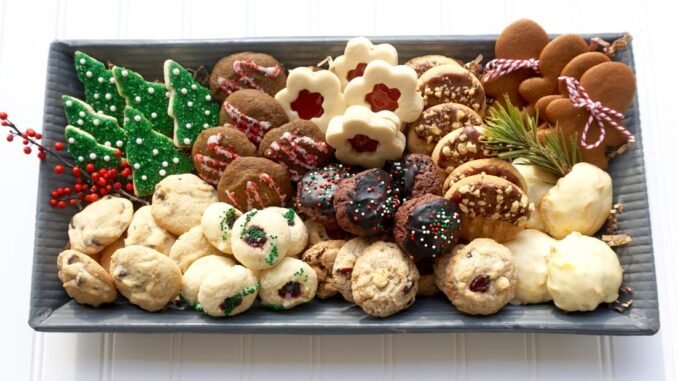
A cookie exchange is one of the simplest parties you can host, and one of the most generous. Each guest bakes a big batch of one cookie recipe, everyone tastes them all, and every person goes home with a mixed box of treats they did not have to bake themselves. It is part baking project, part holiday party, and part excuse to spend an evening with people you like. The best part is that it works for almost any group: neighbors, coworkers, family, or friends, and it scales from six guests around a kitchen table to thirty people in a church hall. With a little planning, clear rules, and a few fun details, your cookie exchange can become the annual tradition everyone asks about. These ideas will help you plan it from the first invitation to the last take-home box, and make the whole evening feel easy, festive, and fun.
What a Cookie Exchange Is and Why It Works
A cookie exchange, sometimes called a cookie swap, follows a beautifully simple formula. Every guest bakes several dozen of a single cookie recipe and brings them to the party. The cookies are displayed for tasting, everyone samples the spread, and then each person fills a container with an assortment to take home. The math is what makes it magical: bake one recipe, taste ten or fifteen, and leave with a bakery-worthy variety box. It also removes the pressure of baking a dozen different recipes before the holidays. Guests get to show off a family favorite or try a brand-new recipe, and the host gets a party that practically caters itself. Because everyone contributes, the cost and effort are shared, which keeps the whole event relaxed, affordable, and genuinely fun for the person hosting it.

Pick a Theme That Gets Everyone Baking
A theme gives your exchange instant personality and helps guests choose recipes. A classic Christmas cookie theme is always a winner, with gingerbread, sugar cookies, and peppermint treats filling the table. For something different, try a chocolate-only swap, an international cookie tour with recipes from around the world, or a vintage theme featuring recipes from old cookbooks and grandmothers. You could also run a “childhood favorites” exchange, where every cookie comes with the story behind it. Themes make the party more photogenic, give guests a fun creative constraint, and make the tasting table feel curated rather than random. Just keep the theme broad enough that nobody feels stuck, and share a few example recipes when you send the invitations so guests feel inspired rather than overwhelmed.

Set the Date, Guest List, and Ground Rules
Pick a date two to three weeks before the holidays so guests can enjoy their cookie boxes all season, and send invitations early since December calendars fill fast. Eight to fifteen guests is the sweet spot: enough variety to be exciting, but not so many that the tasting table overflows. Decide the key rules up front and put them in writing. How many dozen should each person bake? Should cookies be homemade only? Are store-bought or no-bake recipes allowed? Most hosts ask for four to six dozen per guest, with one dozen set aside for tasting. Also decide whether guests should bring printed recipe cards, and whether dietary restrictions need to be flagged. Clear rules prevent awkward surprises and make sure everyone leaves with a full, fair box.

Send Invitations Guests Actually Love
Your invitation sets the tone, so make it clear, cheerful, and complete. Include the date, time, and address, plus the rules: how many dozen to bring, whether cookies must be homemade, and whether to bring a container or recipe cards. Mention the theme if you have one, and give a deadline for replies so you know how many guests to expect. A paper invitation feels special for a holiday party, but a digital invite or group message works just as well and makes it easy to share recipe links. Add a line asking guests to reply with the cookie they plan to bake, which helps you avoid five batches of the same chocolate chip cookie. A little detail like “ugly sweater optional” or “cocoa provided” makes the invite feel like a party, not a homework assignment.

The Classic Dozen Rule and How Many to Bake
The most common question about a cookie exchange is how many cookies to bake, and the answer depends on your guest count. A good rule is one dozen per guest, plus one dozen for tasting at the party. For ten guests, that means about eleven dozen cookies, which sounds like a lot until you remember it is all one recipe. If that feels overwhelming, scale back: ask each guest to bring five dozen total, and let everyone take a smaller assortment home. Another approach is to have guests bring three dozen for swapping and one dozen for the tasting table, then divide the swap cookies evenly. Whatever you choose, state it clearly in the invitation. Nobody should arrive with two dozen when everyone else brought six, or vice versa.

Choose Recipes That Travel Well
Not every cookie survives a party. Delicate meringues crumble, frosted cookies smudge, and anything that needs refrigeration becomes a logistics problem. The best exchange cookies are sturdy, stackable, and still delicious on day two or three. Think shortbread, biscotti, gingerbread, snickerdoodles, chocolate chip cookies, and bar cookies cut into neat squares. If you love a frosted cookie, let the icing set completely overnight before packing, and transport cookies in a single layer. Avoid recipes with whipped cream, custard fillings, or anything that melts at room temperature. Guests will be carrying their boxes home in the cold, but the cookies still need to look beautiful when the lid comes off. Durability is a kindness to everyone at the table, and it means your cookies still taste freshly baked when guests open their boxes days later.

Mix Classics With One Showstopper
The most memorable tasting tables balance familiar favorites with one or two surprises. Chocolate chip cookies, sugar cookies, and peanut butter blossoms are beloved for a reason, and they give cautious tasters something safe to love. But the cookie everyone talks about afterward is usually the unexpected one: a cardamom-spiced shortbread, a brown butter and sage cookie, or a pistachio and cherry biscotti. If you are hosting, consider baking the showstopper yourself so the table has a centerpiece. Encourage guests to bring their signature recipe rather than copying a trending one, because personal favorites come with stories. A table full of classics plus a few bold choices means every guest finds a new favorite, and the bold bakers get the thrill of watching strangers fall in love with their recipe.

Set Up a Tasting Table Guests Will Love
Your tasting table is the heart of the party, so give it some attention. Use cake stands, tiered trays, and cutting boards at different heights to create visual interest, and leave space between platters so guests can reach everything without knocking cookies over. Group cookies by type or arrange them in a rainbow of colors for a stunning display. Put small plates, napkins, and a trash bowl nearby, and keep drinks on a separate table so the cookie display stays clean. If your party is large, set up two tasting stations to prevent a bottleneck. A beautiful table makes guests slow down, try more cookies, and take photos, which is half the fun of hosting in the first place, and it costs nothing but a little thought.

Label Every Cookie Like a Pro
Labels are small, but they transform a cookie exchange. A simple card in front of each platter should list the cookie name, the baker, and any major allergens like nuts, dairy, gluten, or eggs. This helps guests with allergies navigate safely, and it lets people find the baker to ask for the recipe. Handwritten kraft tags look charming, while small chalkboard signs can be reused year after year. If you want to go further, ask each guest to bring a printed recipe card to display beside their cookies, so interested tasters can take the recipe home. Labels also make the table look intentional and polished, like a real bakery case. Never skip this step, even for a casual gathering of close friends.

Packaging Ideas That Make Take-Home Boxes Special
The take-home box is the souvenir of your party, so make it feel special. Provide sturdy boxes, tins, or bakery bags, or ask guests to bring their own containers and decorate them at a small craft station. Tissue paper, cupcake liners between layers, and a ribbon tied on top keep cookies from breaking and make the box feel like a gift. Some hosts set out stickers and markers so guests can label their boxes, while others prepare a “box bar” with shredded paper, cellophane bags, and tags. If you want a personal touch, tuck a printed recipe booklet or a small ornament into each box. Guests will remember the packaging almost as much as the cookies, and a beautiful box makes the whole exchange feel complete.

Cookie Jars and Gift-Ready Packaging
For guests who want to turn their exchange haul into gifts, cookie jars are a perfect solution. Layer cookies in a clear jar with tissue paper between varieties, tie a ribbon around the lid, and add a handwritten tag with the cookie names. Mason jars, decorative tins, and small wooden crates all work beautifully, and they protect cookies better than a paper plate wrapped in foil. You can also prepare a few ready-made jars at the party as prizes for games or as thank-you gifts for the host. If you are giving jars to neighbors or teachers, include a card listing the ingredients for anyone with allergies. A jar of mixed exchange cookies is a thoughtful, personal gift that costs almost nothing beyond the cookies themselves.

Hot Cocoa and Drinks Station
Cookies deserve good drinks, and a hot cocoa bar is the easiest crowd-pleaser. Set out a slow cooker of hot chocolate, mugs, and toppings like marshmallows, crushed candy canes, whipped cream, chocolate chips, and cinnamon sticks so guests can build their own cups. Add coffee for the adults who prefer it, plus a pitcher of cold milk for kids. Keep the drinks station away from the cookie table to avoid traffic jams, and use a tray or tablecloth that can handle a spill or two. If you want something festive for adults, a spiced cider or a simple holiday punch works well too. Drinks give guests a reason to linger, chat, and go back for a second round of tasting, which is exactly the relaxed, happy atmosphere you want at a holiday party.

Decorate on a Budget
You do not need to spend a fortune to make your party look festive. The cookies themselves are the best decoration, so build the room around them. A string of fairy lights, a few pine branches in a jar, and a red or plaid tablecloth go a long way. Scatter candy canes, pinecones, and ornaments around the table for color, and use wrapping paper as a disposable table runner. If you have a chalkboard, write the party menu or a welcome message on it. Ask a crafty friend to help with a simple garland, or keep it minimal and let the food shine. Guests come for cookies and company, not for a magazine-perfect room, so spend your energy on the details people actually notice and enjoy.

Make It Kid-Friendly
Kids love cookie exchanges, and including them makes the party more joyful. Set up a decorating station with plain sugar cookies, icing in squeeze bottles, and sprinkles so children can make their own creations while adults taste. Keep the decorating area covered with a plastic tablecloth and have aprons or old shirts ready. If kids are baking too, let them bring a simple recipe like chocolate chip cookies or rice crispy treats. Schedule the party in the afternoon so younger children are not overtired, and put out milk and juice boxes alongside the cocoa. A kid-friendly exchange creates family memories, and children are often the most enthusiastic tasters at the table, which makes every baker feel appreciated and proud.

Holiday Flavor Ideas: Peppermint and Chocolate
Peppermint and chocolate are the defining flavors of a holiday cookie exchange. Crushed candy canes add crunch and festive color to chocolate cookies, brownies, and bark, while peppermint extract gives shortbread and sugar cookies a cool, refreshing twist. Try chocolate cookies dipped in white chocolate and rolled in crushed peppermint, or peppermint patties sandwiched between chocolate wafers. For a subtler touch, add a few drops of peppermint extract to your favorite buttercream. Be careful with quantities, since peppermint can easily overpower other flavors. A little goes a long way. These classic combinations are popular for a reason: they taste like the holidays, photograph beautifully, and disappear from the tasting table faster than almost anything else you serve.

Cranberry, Citrus, and Winter Fruit Cookies
For a refreshing change from all the chocolate, winter fruit cookies bring brightness to the table. Cranberry and orange shortbread is a classic pairing, with tart cranberries balancing sweet, buttery dough. Lemon crinkle cookies and orange-glazed sugar cookies add sunshine to a winter spread, while dried cherries, figs, and apricots bring chewiness and depth. Try a cranberry and white chocolate cookie for a crowd-friendly option, or an Italian-inspired biscotti studded with dried fruit and nuts. These cookies also tend to keep well, which makes them ideal for exchanges where guests carry boxes home. A few fruit-forward cookies on the table keep the tasting from feeling too heavy and give guests a palate cleanser between rich chocolate treats, which means they enjoy every cookie more.

Thumbprints, Snowballs, and Old Favorites
Some cookies never go out of style, and a cookie exchange is the perfect place to celebrate them. Thumbprint cookies filled with jam look like little jewels on the table, and they are easy to customize with raspberry, apricot, or lemon curd. Snowball cookies, also called Mexican wedding cookies, melt in your mouth and look like a dusting of fresh snow. Russian tea cakes, spritz cookies, and old-fashioned molasses cookies all carry a sense of nostalgia that guests love. These recipes are often simple, forgiving, and easy to make in large batches, which makes them ideal for new bakers. When in doubt, bring the cookie your family has made for decades: tradition is the secret ingredient that makes an exchange feel meaningful, personal, and warm.

Hot Cocoa Cookies and Cozy Pairings
Hot cocoa cookies, rich chocolate cookies topped with marshmallow and chocolate drizzle, are made for a cookie exchange. They look impressive, taste like a mug of cocoa in cookie form, and pair perfectly with the drinks station. Other cozy pairings include gingerbread with spiced chai, snickerdoodles with warm milk, and shortbread with coffee. When planning your menu, think about what guests will be drinking and choose at least one cookie that complements it. You can even build the whole theme around cozy drinks: a “cocoa and cookies” exchange where every recipe is designed to be dunked. Warm flavors like cinnamon, nutmeg, ginger, and clove make the whole party smell amazing, which is half the experience of the holidays and the reason guests linger in your kitchen.

Dietary Needs Without the Stress
A great host makes room for everyone, including guests with dietary needs. When you send invitations, ask about allergies and diets, then share that information with the group so bakers can plan accordingly. You do not need a separate table for every diet, but a few thoughtful options go a long way: a gluten-free almond cookie, a dairy-free oat cookie, or a nut-free sugar cookie clearly labeled. Keep allergen-free cookies on a separate platter with their own serving utensils to avoid cross-contact, and label ingredients honestly. If you are unsure about a recipe, write down the ingredients and let guests decide. Inclusion is not extra work; it is the difference between a guest who feels welcome and one who spends the party watching everyone else eat, so take the few minutes to ask and plan.

End the Night With Voting, Swapping, and Leftovers
The swapping itself deserves a little ceremony. Once everyone has tasted, hand out containers and let guests fill them in rounds, so nobody grabs all of one favorite first. Some hosts add a friendly vote for categories like “most creative,” “best looking,” and “most likely to become a tradition,” with small prizes like a wooden spoon or a jar of sprinkles. Play some music, pour a final round of cocoa, and let people chat while they pack. Send any leftover cookies home with guests rather than keeping them yourself, and share photos and recipes in a group message the next day. A warm, unhurried ending is what turns a good party into an annual tradition everyone looks forward to.

Cookie exchanges work because they are simple, generous, and delicious. Pick a date, set clear rules, bake something you love, and let the table do the rest. Whether your party is big or small, fancy or casual, the formula is the same: one recipe in, a whole season of cookies out. Start planning yours today, send those invitations, and bake something wonderful. Your future self, and every guest with a full cookie box, will be glad you did. Happy baking, happy swapping, and happy holidays to you and everyone at your table.
Leave a Reply