
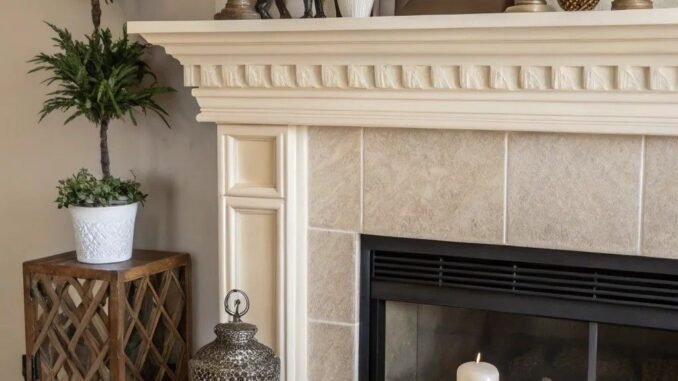
The fireplace mantel is the natural focal point of any living room, the shelf where your home’s personality is on full display. Whether your style runs modern, farmhouse, traditional, or eclectic, thoughtful mantel decor can transform an entire room without a single renovation. The best mantels feel collected rather than cluttered, balancing height, texture, and color in a way that draws the eye without overwhelming it. This guide shares twenty practical ideas for styling your fireplace mantel beautifully in every season, on any budget, and in spaces of every size.
Why the Mantel Matters
In most living rooms, the fireplace commands attention the moment you walk in, and the mantel shelf is its crown. It sits at eye level, frames the hearth, and anchors the seating arrangement around it. A bare or neglected mantel makes even a lovely room feel unfinished, while a well-styled one instantly signals care and intention.
Beyond looks, the mantel is one of the few display surfaces in a home that invites seasonal change. Swapping a few pieces for fall, the holidays, or spring refreshes the whole room for almost no cost. Think of your mantel as a rotating gallery: a curated mix of art, greenery, candles, and personal objects that tells your home’s story and evolves with the year. Even renters can transform a basic builder-grade fireplace with thoughtful styling, since nothing on the mantel needs to be permanent.

The Rule of Thirds for Mantels
Designers swear by the rule of thirds for mantel styling, and it is wonderfully simple. Mentally divide your mantel shelf into three zones: left, center, and right. Place your tallest or boldest piece in one zone, a medium-height grouping in another, and something lower in the third, creating a pleasing rhythm instead of a flat row of same-height objects.
This approach prevents the most common mantel mistake, which is lining up objects of equal height like soldiers. Varying heights creates visual movement and makes the arrangement feel professionally styled. You can apply the rule loosely: the zones are a guide, not a grid. Step back, squint, and check that your eye travels comfortably across the shelf without snagging on any one crowded spot. Once the zones feel balanced, live with the arrangement for a day before finalizing, since fresh eyes catch what tired ones miss.

Layering Art and Mirrors
Layering is the secret behind mantels that look rich and collected. Instead of hanging a single centered frame, lean a large piece of art or a mirror against the wall and layer smaller frames in front of it. The overlap creates depth and lets you combine pieces that would compete for attention if hung separately.
Start with the largest item at the back, then add medium and small pieces in front, slightly off-center for a relaxed feel. Mirrors are especially effective layered pieces because they bounce light around the room and make the fireplace area feel larger. Keep the palette of your layered art cohesive, and the arrangement will read as intentional rather than random, even when the frames themselves are mismatched. Secure leaning pieces with museum putty or discreet brackets, especially in homes with children, pets, or frequent foot traffic nearby.

A Seasonal Rotation Strategy
The smartest mantel stylists keep a core set of year-round pieces and rotate seasonal accents around them. Your constants might be a favorite mirror, a pair of candlesticks, and a beloved vase. Each season, you swap only the flexible elements: garlands, branches, small figurines, and textiles that echo the time of year.
This strategy saves money and storage space while keeping the room feeling fresh. Store off-season accents in a single labeled bin so the swap takes twenty minutes, not a weekend. Photograph each seasonal arrangement before you take it down, so next year you can recreate favorites or improve on them. Over time, you will build a personal library of mantel looks that get better every year. Donate or sell accents you no longer love at each season’s end, keeping your collection curated instead of letting storage bins multiply endlessly in the garage.

Fall Mantel Decor
Fall mantels celebrate warmth and texture. Drape a garland of faux eucalyptus, maple leaves, or dried grasses across the shelf, letting it spill naturally over the edges. Add pumpkins in unexpected materials like velvet, wood, or hammered metal, and cluster pillar candles in amber glass for a glow that flatters the autumn palette.
The key to a fall mantel that feels sophisticated rather than craft-store is restraint in color. Stick to two or three tones, such as rust, cream, and deep green, and repeat them across your pieces. A simple wooden bead garland or a stack of vintage books can ground the arrangement. Finish with one natural element, like a bundle of wheat or dried hydrangeas, for authentic seasonal texture. A lightly scented candle in apple, cedar, or pumpkin spice completes the autumn atmosphere that your eyes are already enjoying.

Winter and Holiday Mantel Decor
Winter mantels are all about glow and evergreen. A lush garland of pine, cedar, or fir forms the foundation, and from there you can go classic with red berries and plaid ribbon, elegant with all-white and silver, or rustic with pinecones and burlap. Twinkle lights woven through the garland add magic after dark and make the fireplace the heart of the home.
Balance is important when holiday decor threatens to take over. Let the garland be the star and keep the remaining shelf relatively simple: a pair of tall candlesticks, a framed winter print, and stockings hung with care. If your mantel is wide, extend the garland symmetrically and anchor each end with a lantern or a small potted evergreen for a polished, magazine-worthy finish. Flameless candles on a timer bring the mantel to life automatically each evening, greeting you with warmth the moment you walk in.

Christmas Garland Styling
A Christmas garland deserves special attention because it sets the tone for the whole room. For a full, luxurious look, layer two or three garlands together, mixing textures like pine, cedar, and frosted branches. Secure them with floral wire and let the front layer drape slightly lower than the back for dimension.
Embellishments should follow a plan: choose lights first, then ribbon, then ornaments or natural picks, stepping back after each layer. Odd numbers of ornament clusters look more natural than even spacing. Tuck battery-operated fairy lights deep into the greenery so the glow seems to come from within. A well-built garland can stay up from early December through the new year and still look fresh. Save one truly special ornament to nestle into the garland each year, building a family tradition everyone will look forward to.

Spring Mantel Refresh
After winter’s heaviness, a spring mantel should feel like a deep breath. Clear away the evergreens and bring in fresh or faux botanicals: cherry blossom branches, tulips, ranunculus, or simple potted herbs. A light, airy garland of eucalyptus or jasmine vine keeps the shelf feeling alive without the weight of holiday decor.
Spring is the season to lighten your palette. Swap dark frames for lighter art, trade heavy candlesticks for glass hurricanes, and add one cheerful color, like soft yellow or sage green, repeated in two or three pieces. A small mirror or a piece of landscape art leaning at the back opens up the arrangement. The goal is renewal: your mantel should feel as fresh as the season outside your windows. A small bud vase with a single fresh stem, replaced weekly from the grocery store, keeps the spring mantel feeling alive all season long without much effort.

Summer Minimalism
Summer mantels thrive on simplicity. With bright natural light flooding the room, less truly is more: a single striking piece of art, a sculptural vase with dried grasses, and perhaps a small stack of beautiful books. Let the architecture of the fireplace itself share the spotlight instead of hiding it behind layers of decor.
Coastal and natural textures suit the season perfectly. Think woven baskets, driftwood, sea glass in a clear vessel, or a bowl of collected shells. Keep colors sun-washed and pale, and resist the urge to fill every inch. A minimalist summer mantel makes the whole room feel cooler and calmer, and it gives your heavier fall pieces somewhere exciting to return to. Leave generous breathing room around each piece, because negative space is precisely what makes a minimalist arrangement feel calm rather than simply empty.

Candles and Lighting
No mantel styling tool is more powerful than candlelight. A cluster of pillar candles in varying heights creates a warm focal glow that makes the fireplace feel alive even when it is not lit. Mix real and high-quality flameless candles for safety, especially in homes with kids or pets, and choose unscented pillars so competing fragrances do not clash.
Candlesticks themselves are decor: brass, black metal, carved wood, or mercury glass each set a different mood. Group them in odd numbers and vary their heights for a collected look. For evening ambiance, add a string of warm fairy lights or a pair of lanterns at the mantel ends. The flicker of candlelight against the wall above the fireplace is pure coziness. Vary candle heights by at least two inches between neighbors, creating the pleasing cascade of light that the eye finds so attractive.

Greenery and Botanicals
Greenery is the fastest way to make a mantel feel alive. A trailing pothos, a eucalyptus garland, or a simple vase of olive branches softens hard fireplace lines and adds organic movement. Faux botanicals have become remarkably realistic, making them a practical choice for high shelves that are hard to water.
For the most natural look, vary your greens: combine one trailing plant, one upright stem arrangement, and one low textural piece like moss or succulents. Odd groupings of three read as intentional. If you prefer real plants, choose low-maintenance varieties that tolerate the warm, dry air near a fireplace, and rotate them occasionally so all sides get light. Living greenery literally freshens the room. Dust faux botanicals monthly with a soft brush or a cool hairdryer, since a film of dust instantly betrays their artificial nature to every guest.

Framed Art and Prints
Art gives your mantel a point of view. A single oversized piece leaning against the wall makes a confident statement, while a gallery-style cluster of smaller frames feels personal and eclectic. Because mantel art sits above eye level for seated viewers, choose pieces with strong shapes and clear subjects that read well from across the room.
Swap art seasonally or whenever the mood strikes; leaning frames instead of hanging them makes changes effortless. Abstract landscapes, botanical prints, and typography art are all mantel-friendly choices. Keep frame finishes to one or two tones for cohesion. A good rule is that the art should be about two-thirds the width of the mantel, large enough to anchor the arrangement without overwhelming it. Matte prints behind non-reflective glass cut glare from firelight and windows, keeping your art readable from the sofa across the room.

Mirrors Above the Mantel
A mirror above the fireplace is a timeless choice that does double duty as decor and as a light amplifier. Round mirrors soften the strong horizontal line of the mantel, while arched or rectangular mirrors echo architectural shapes. An oversized leaning mirror makes small living rooms feel dramatically larger by reflecting the opposite wall.
When styling around a mirror, keep the shelf simpler than you would with art, since the reflection adds its own visual interest. Flank the mirror with matching sconces, candlesticks, or topiaries for symmetry, or go asymmetric with a tall plant on one side. Check the reflection before finalizing: a mirror that reflects clutter will double your mess, so angle it toward something beautiful. Clean the mirror with a streak-free spray before guests arrive, since firelight mercilessly highlights every smudge and fingerprint on glass.

Vases and Vessels
Vases are the workhorses of mantel styling, useful with or without stems. A collection of vessels in varying heights and complementary materials, such as ceramic, glass, and stone, creates instant sophistication. Fill them seasonally with branches, dried flowers, or nothing at all; an empty sculptural vase is a statement in its own right.
Group vases in threes, mixing tall, medium, and short silhouettes, and keep the color story tight so the grouping reads as one composition. Oversized floor vases placed at the hearth beside the mantel extend the styling downward and balance a tall chimney breast. Quality matters more than quantity here: three beautiful vessels outperform a crowd of forgettable ones. Fill one tall vase with long branches that echo the height of your mirror or artwork, linking the whole shelf composition together along a vertical line.

Books and Stacked Objects
Horizontal stacks of books add structure and a lived-in feel to mantel arrangements. They also solve a practical problem by acting as risers, lifting small objects to varied heights. Choose books with beautiful spines or covers, or turn them pages-out for a neutral, textural look that works with any palette.
Top each stack with a single object: a small sculpture, a candle, a bud vase, or a treasured keepsake. Two or three stacks of different heights across the mantel create rhythm without clutter. Coffee table books about art, travel, or design do double duty as decor and conversation starters. Keep stacks to three or four books each so they feel styled rather than storage-like. Alternate horizontal stacks with a vertical book grouping held by a bookend, adding welcome variety to the shelf’s overall silhouette.

Symmetry Versus Asymmetry
Both symmetrical and asymmetrical mantels can look stunning; the choice sets the room’s mood. Symmetry, with matching lamps, candlesticks, or topiaries flanking a central piece, feels formal, calm, and traditional. It works beautifully in classic interiors and in rooms where the fireplace is perfectly centered.
Asymmetry feels modern, relaxed, and curated. Weight one side with a tall arrangement and balance it with a cluster of smaller objects on the other, using visual weight rather than identical pieces. Most contemporary homes suit asymmetry, which forgives off-center fireplaces and eclectic collections. Whichever you choose, commit to it: a half-symmetrical mantel usually looks accidental rather than artistic. Photograph your finished mantel from the main seating position before calling it done, since that everyday viewpoint matters far more than how it looks up close.

Color Palettes That Work
A defined palette is what separates styled mantels from random collections. Start with your room’s existing colors, then choose a mantel palette of three tones: a dominant neutral, a secondary color, and one accent. Repeating these three across your pieces creates harmony even when the objects themselves are varied.
Safe, beautiful combinations include warm white, wood tones, and black for modern farmhouse; cream, brass, and sage for soft traditional; and charcoal, concrete gray, and cognac for contemporary edge. Seasonal swaps become easy when you only change the accent color. Photograph your mantel and view it in black and white: if the tones still look balanced without color, your palette is solid. Pull your accent color from an existing rug, pillow, or curtain so the mantel feels deliberately connected to the rest of the room’s design story.

Mixing Textures
Texture is the difference between a flat mantel and one you want to touch. Combine smooth with rough, shiny with matte, and soft with hard: a brass candlestick beside a nubby linen runner, a glass vase next to a chunk of raw wood, a sleek mirror above a woven basket. These contrasts create richness that color alone cannot.
Natural materials are texture gold. Wood, stone, rattan, wool, dried botanicals, and handmade ceramics each bring tactile interest. Aim for at least three distinct textures in every arrangement. In neutral rooms especially, texture does the heavy lifting that color does elsewhere, keeping an all-cream mantel from feeling bland. Run your hand across your styling mentally; if everything feels the same, add contrast. A folded throw or table runner draped along the mantel edge adds softness and introduces fabric into the textural mix beautifully.

Small Mantels and Apartment Solutions
A narrow mantel is not a limitation; it is an editing opportunity. Choose one hero piece, like a medium mirror or a single art print, and support it with just two or three slim objects: a bud vase, a small candle cluster, or a trailing plant. Keeping the depth shallow prevents a small shelf from feeling crowded.
In rentals where you cannot hang anything, leaning art and mirrors is your best friend, and removable adhesive hooks can hold a lightweight garland. A small mantel also benefits from vertical thinking: tall, narrow objects draw the eye up and make the fireplace feel grander. Edit ruthlessly, dust often, and your compact mantel will look intentional and chic rather than sparse. A slim LED picture light clipped above your hero piece can make even a small mantel feel like a gallery display after dark.

Budget-Friendly Mantel Makeovers
A stunning mantel does not require a designer budget. Thrift stores, flea markets, and clearance aisles are treasure troves for vases, frames, candlesticks, and baskets that look expensive with a little cleaning. A can of spray paint unifies mismatched finds into a cohesive collection in an afternoon.
Nature is free decor: branches, pinecones, dried grasses, and stones gathered outdoors bring authentic texture at zero cost. Printable art from online marketplaces costs a few dollars and looks custom in a good frame. Rearranging pieces you already own, a practice stylists call shopping your home, often produces the freshest results. With creativity over cash, any mantel can look like a magazine spread. Set a firm seasonal spending cap before you shop, since creative constraints spark the inventive thinking that makes budget styling so charming and personal.

Leave a Reply