
Fall is one of the best seasons for hands-on science with kids. Nature is putting on a spectacular show right outside your window, with leaves changing color, pumpkins ripening in patches, and crisp air full of new smells and textures. Every one of these changes is science in action, which means your backyard, the park, or even the kitchen counter can become a laboratory. The twenty experiments below are designed for parents and teachers of young children, using cheap, safe, easy-to-find materials. Each activity sneaks real scientific thinking into play: kids will predict, observe, compare, and wonder out loud. So grab some jars, baking soda, and a basket of fall treasures, and get ready for a season of joyful discovery together.
Leaf Chromatography: Reveal the Hidden Colors in Leaves
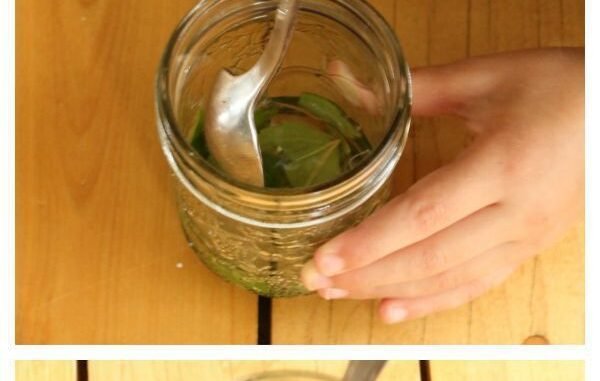
Green leaves are secretly hiding a rainbow, and this classic experiment lets kids uncover it. Tear a few green leaves into tiny pieces, drop them in a clear jar, and pour in just enough rubbing alcohol to cover them. Mash the leaves with the back of a spoon until the liquid turns green, then hang a strip of coffee filter in the jar so its tip touches the liquid. Over the next hour, the alcohol creeps up the paper, carrying pigments with it at different speeds. Kids will gasp as bands of yellow, orange, and even red appear above the green.
This is real chromatography, the same separation technique chemists use in laboratories. Explain that chlorophyll, the green pigment, masks other pigments all summer. As days shorten, chlorophyll breaks down and the hidden carotenoids and anthocyanins shine through. Try comparing leaves from different trees and let kids record which colors each leaf reveals.

Erupting Mini Pumpkin Volcanoes
Nothing delights young scientists like a good eruption, and mini pumpkins make the perfect volcanoes. Cut the top off a small pumpkin and scoop out the seeds, just like carving a jack-o-lantern. Set the pumpkin on a tray, spoon in a few tablespoons of baking soda, add a squirt of dish soap, and a few drops of orange food coloring. Then pour in vinegar and stand back. The fizzy orange foam will bubble right over the pumpkin’s sides while kids cheer.
The eruption is an acid-base reaction: vinegar (an acid) reacts with baking soda (a base) to produce carbon dioxide gas, and the trapped gas pushes the foamy liquid upward. Ask kids to predict what will happen before you pour, then try changing one variable at a time. More vinegar means a bigger eruption, while dish soap makes longer-lasting bubbles. It is messy, memorable chemistry in a festive fall package.

The Great Apple Browning Race
Why do apple slices turn brown, and can kids stop it? Cut an apple into several slices and treat each one differently: leave one plain, squeeze lemon juice on another, soak one in salt water, coat one with honey water, and wrap one tightly in plastic wrap. Line them up on a plate, label each, and check back every thirty minutes. Kids love racing the slices to see which stays freshest the longest.
The browning is oxidation, a chemical reaction between enzymes in the apple flesh and oxygen in the air. Lemon juice works because its vitamin C and acidity slow the enzyme down, while plastic wrap simply blocks the air. This experiment teaches the scientific method beautifully: one variable changes at a time while everything else stays the same. It is also a tasty lesson, since the slices are still perfectly edible afterward.

Dancing Corn Kernels
Dried corn kernels can dance, and kids will not believe their eyes until they try it. Fill a clear jar or tall glass about three-quarters full with water, stir in two tablespoons of baking soda until it dissolves, and drop in a small handful of dried popcorn kernels. Then slowly pour in half a cup of vinegar and watch. The kernels sink, then rise, then sink again in a silly bobbing dance that can go on for several minutes.
The science is all about gas bubbles. Vinegar reacts with baking soda to make carbon dioxide, and the tiny bubbles cling to the rough surface of each kernel. Together, the bubbles act like little life jackets, lifting the kernel to the top. When the bubbles pop at the surface, the kernel sinks again and the cycle repeats. Ask kids to count how many kernels are dancing at once and predict when the dance will end.

Dissolving Candy Corn Experiment
After Halloween, put that leftover candy corn to scientific use. Set out three clear cups filled with water, vinegar, and vegetable oil. Drop one candy corn into each, start a timer, and observe. Kids can check every five minutes and draw what they see. The candy corn in water melts away surprisingly fast, while the one in oil barely changes at all, which always surprises young experimenters.
This is a gentle introduction to solubility, the idea that some substances dissolve in some liquids but not others. Water molecules tug sugar molecules apart easily, while oil cannot mix with the sugary candy at all. Vinegar lands somewhere in between. Encourage kids to make predictions before dropping the candy in, and let them design a second round with new liquids like milk or soda. It turns post-Halloween candy into a genuine chemistry lesson.

Acorn Sink or Float
A walk through the park becomes a physics lab with this simple prediction game. Collect acorns, along with other fall treasures like leaves, pinecones, small sticks, and chestnuts. Fill a large clear tub or bin with water and let each child pick up an item, guess whether it will sink or float, and drop it in. Keep a simple chart of predictions versus results so kids can compare at the end.
Whether something sinks or floats depends on density, which is how tightly packed its matter is compared to water. Acorns usually sink because they are dense, while dry leaves float on the surface. Crack the science open further by asking why a heavy log floats but a tiny pebble sinks. It is never about weight alone, and that surprises most kids. This low-prep activity builds early data skills and a love of nature walks.

Fall Density Tower
Stack liquids like building blocks in this gorgeous fall-themed density tower. You will need honey, dish soap, water tinted orange, and vegetable oil. Pour each liquid very slowly down the inside of a tall clear glass, heaviest first: honey, then dish soap, then colored water, then oil. If poured gently, the liquids form distinct striped layers instead of mixing, and kids can drop in small objects like a candy corn, a grape, and a bead to see where each one settles.
Each liquid has a different density, so they stack with the heaviest on the bottom and the lightest on top, like a layered parfait. Objects sink until they reach a layer denser than themselves, then stop. Let kids guess where each object will rest before dropping it in. This experiment makes an abstract idea visible and beautiful, and the fall colors make it seasonally perfect for the kitchen table.

Walking Water with Fall Colors
Watch water defy gravity and march across cups in autumn shades. Line up three clear cups: fill the two outer cups with water tinted red and yellow, and leave the middle cup empty. Fold paper towels into strips and drape one from each outer cup into the middle one. Within an hour, the middle cup begins filling with orange water that climbed up one towel and down the other, all by itself.
The magic is capillary action, the same force that pulls water up through a plant’s stem to its leaves. Tiny spaces between the paper towel fibers act like miniature straws, dragging water upward against gravity. Mixing red and yellow to make orange sneaks in a color-theory bonus. Try it with different paper types and let kids time which material walks the water fastest for an extra round of discovery.

Mini Apple Volcanoes
Apples make wonderful mini volcanoes for a second round of eruption fun. Hollow out the center of an apple with a spoon, leaving thick walls, and set it in a bowl to catch overflow. Add a spoonful of baking soda, a drop of dish soap, and red food coloring, then pour in vinegar. The fizzy red lava foams up through the apple’s opening, and kids can repeat it again and again by adding more baking soda.
Like the pumpkin volcano, this demonstrates an acid-base reaction producing carbon dioxide gas. Comparing the apple volcano to the pumpkin version turns it into a real investigation: which fruit erupts higher, and why? Kids might notice the apple’s smaller opening shoots the foam higher, like a real volcano’s narrow vent. It is a perfect follow-up experiment that reinforces the same chemistry in a fresh, fruity form.

Borax Crystal Leaves
Turn ordinary fall leaves into glittering crystal art with a little patience. Bend a pipe cleaner into a leaf shape, or use a real leaf as your base. Boil water with adult help, stir in borax until no more dissolves to make a super-saturated solution, and pour it into a jar. Suspend the leaf shape in the liquid with a pencil laid across the jar’s mouth, and leave it overnight. By morning, the shape will be coated in sparkling crystals.
As the hot solution cools, it cannot hold all the dissolved borax, so the extra borax crystallizes onto the pipe cleaner, molecule by molecule. Kids witness crystal growth, evaporation, and saturation in one gorgeous project. Remind children that borax is for looking, not touching or tasting, and have an adult handle the hot water. The finished crystal leaves make stunning fall decorations and unforgettable science keepsakes.

Pumpkin Spice Slime
Slime gets a fall makeover with pumpkin spice scent and orange color. Mix half a cup of white school glue with half a cup of water, stir in orange food coloring and a pinch of pumpkin pie spice for that cozy autumn smell. In a separate cup, dissolve half a teaspoon of borax in a cup of warm water, then slowly stir the borax solution into the glue mixture. Knead it with your hands until it turns into stretchy, squishy slime.
Slime is a polymer in action: the borax links the long glue molecules together into stretchy chains, changing a liquid into something in between a solid and a liquid. Let kids test their slime’s properties by stretching it slowly, then pulling it fast to feel it snap. Adding the pumpkin spice makes it a sensory experience too. Store it in a sealed container and it will last for weeks of stretchy fall fun.

Apple Sink or Float
Do apples sink or float? Most kids guess sink, and most kids are wrong, which makes this a fantastic prediction experiment. Fill a large tub with water and let children drop in whole apples, apple slices, and apple cores one at a time. The whole apple bobs happily on the surface, while a thin slice may behave differently. Kids can test other fall fruits too, like pears and grapes, and chart their results.
Apples float because they are about one-quarter air inside, with tiny air pockets between their cells that make the whole fruit less dense than water. This is also why apples bob so well in bobbing-for-apples games. Ask kids what they think is inside the apple making it float, then cut one open to hunt for the air spaces. It is a simple, splashy way to explore density with a harvest favorite.

Maple vs. Oak Leaf Pigment Showdown
Not all leaves hide the same colors, so stage a pigment showdown between tree species. Collect green leaves from two or three different trees, such as maple and oak, keeping each type in its own labeled jar. Run the chromatography experiment side by side with identical amounts of leaves, alcohol, and time. Then compare the filter paper strips: which tree’s leaves revealed the most colors, and which bands look brightest?
Different species produce different mixes of pigments, so the strips become colorful fingerprints for each tree. This is how real scientists do comparative experiments: keep everything the same except the one thing you are testing. Kids practice careful observation and learn that nature varies even between neighboring trees. Press the finished strips in a notebook as a beautiful, data-rich fall science journal entry.

Mini Pumpkin Catapults
Launch mini pumpkins across the yard and learn physics at the same time. Build a simple catapult from popsicle sticks, rubber bands, and a plastic spoon: stack several sticks, bind them with rubber bands, and attach the spoon as the launching arm. Place a mini pumpkin or candy pumpkin in the spoon, pull back, and release. Kids can measure how far each launch flies with a tape measure and try to beat their own records.
Catapults store elastic potential energy in the bent spoon and stretched rubber bands, then convert it into kinetic energy that flings the pumpkin forward. Changing the launch angle changes the distance, which lets kids experiment like engineers. Try launching at different angles and record which flies farthest. This is hands-on physics, engineering design, and math measurement rolled into one thrilling fall game.

Leaf Vein Absorption
See how leaves drink water with this colorful absorption experiment. Trim the stems of a few light-colored fall leaves or leafy celery-like stalks, and stand them in cups of water tinted with bright food coloring. Within a few hours, streaks of color creep up the leaf veins, and by the next day the whole leaf may be tinted. Kids love checking the leaves like little scientists on observation rounds.
Plants move water upward through tiny tubes called xylem, powered by capillary action and evaporation from the leaves. The food coloring makes this invisible highway visible. Explain that trees do the same thing on a giant scale, pulling gallons of water from roots to treetops every day. Try different colors in different cups and let kids predict which leaf will show color first.

Fall Science Discovery Table
Set up a dedicated fall science table and let kids explore freely all season long. Cover a small table with a fall tablecloth and arrange magnifying glasses, balance scales, measuring cups, and baskets of natural treasures: pinecones, acorns, colorful leaves, gourds, and dried corn. Add simple prompt cards like “Which is heaviest?” or “How many acorns fit in the cup?” and let curiosity take the lead.
Open-ended discovery tables build the most important scientific skill of all: asking questions. Without step-by-step instructions, kids invent their own investigations, sorting by size, weighing pinecones against acorns, and examining leaf veins under magnification. Rotate the materials weekly to keep the table fresh, and keep a clipboard nearby so kids can draw or tally their findings like real researchers.

Nature Walk Science Collection
Turn an ordinary autumn walk into a scientific expedition with collection bags and a mission. Give each child a paper bag and a simple scavenger hunt list: something smooth, something rough, something red, something that makes noise, something a squirrel would eat. Back home, spread the treasures on a tray and sort them together by texture, color, size, or type, discussing each decision.
Sorting and classifying are foundational science skills that biologists use every day. As kids debate whether a bumpy gourd belongs with the smooth stones or the rough bark, they practice observation and logical reasoning. Extend the learning by pressing leaves between book pages or gluing the collection onto cardboard to make a labeled nature collage. The walk itself becomes the experiment, and fall is the perfect laboratory.

Fall Sensory Science Trays
Sensory trays sneak science into play for even the youngest kids. Fill a shallow tray with dried corn kernels, dried beans, or birdseed, then hide fall objects inside: mini pumpkins, acorns, cinnamon sticks, and pinecones. Give toddlers and preschoolers scoops, funnels, and small cups, and let them dig, pour, and sift. Narrate the science as they play: pouring shows volume, sifting shows size sorting, and scooping builds estimation.
Young children learn science through their senses first, and sensory play builds the fine motor control they will need for later lab work. Talk about textures, compare weights in each hand, and count how many scoops fill a cup to plant early math seeds. Cinnamon sticks and dried orange slices add a fall scent that makes the tray irresistible. It is gloriously simple, endlessly reusable, and secretly educational.

Seasonal Change Observation Station
Help kids notice the slow magic of autumn with a dedicated observation station. Choose one tree visible from a window, take a photo of it each week, and pin the photos in a row on a bulletin board. Add a simple weather chart where kids record the temperature, wind, and sky each day with stickers or drawings. Over the month, the photo timeline reveals the tree’s transformation in a way daily glances never show.
Long-term observation is the backbone of real science, from tracking animal migrations to monitoring climate. Kids learn patience and pattern recognition as they connect colder nights with redder leaves. Encourage them to write or dictate one-sentence predictions: “I think next week the tree will be…” Comparing predictions to the photos teaches honest, evidence-based thinking. This quiet activity balances the fizzy eruptions beautifully.

Harvest Corn Sensory Bin Science
Finish the season with a harvest corn bin that blends sensory play and early measurement science. Fill a large bin with dried corn kernels and add measuring cups, spoons, a kitchen scale, and small containers. Challenge kids to find out how many spoonfuls fill a cup, which container holds the most corn, and whether a cup of corn weighs the same as a cup of acorns. Let them pour, weigh, and compare freely.
Volume, weight, and comparison are the mathematical foundations of scientific measurement. When kids discover that a tall thin cup and a short wide cup can hold the same amount, they confront a classic conservation puzzle. The scale adds honest numbers to their play, and recording results on a simple chart mirrors real lab notebooks. It is the perfect finale: all the season’s harvest bounty in one joyful, learning-packed bin.

Leave a Reply