
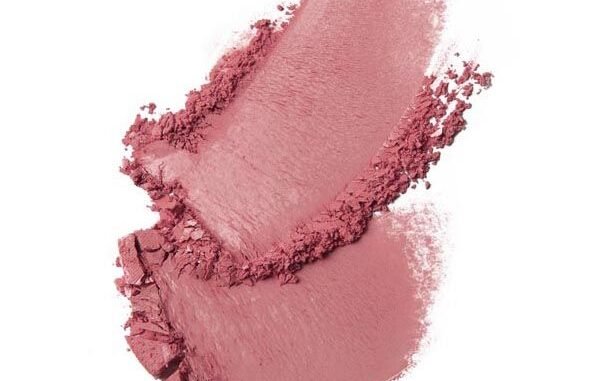
Few makeup shades carry the quiet romance of dusty rose blush, a muted pink that feels both vintage and completely current. This soft, slightly desaturated rose has surged back into the spotlight because it flatters nearly everyone, lending cheeks a natural flush that looks like you just stepped in from a brisk autumn afternoon. Unlike neon pinks or harsh corals, dusty rose whispers rather than shouts, which makes it the perfect everyday shade for office days, coffee dates, and everything in between. Whether you are new to blush or rebuilding your collection, this guide walks you through everything from formulas and application to pairing it with your whole routine.
What Makes Dusty Rose Blush So Timelessly Flattering
There is a reason this shade never truly leaves the beauty conversation. Dusty rose sits in the sweet spot between pink and mauve, with just enough gray undertone to keep it from reading clownish or overly sweet. It mimics the natural color of flushed skin, which is why it blends so seamlessly across skin tones. The muted quality means it adds warmth and dimension without competing with the rest of your makeup, acting almost like a neutral for the cheeks.

Makeup artists have long reached for this family of shades when they want cheeks to look healthy rather than made up. It photographs beautifully, does not clash with most lipsticks, and works in sheer washes or bolder layers depending on your mood. Think of it as the blush equivalent of a perfectly broken-in pair of jeans: endlessly versatile, quietly confident, and somehow right for almost every occasion you can name.
Finding the Right Undertone for Your Skin
Not every dusty rose is identical, and picking the right undertone makes all the difference. If your skin leans cool, look for roses with a blue or mauve cast that echo your natural coloring. Warm complexions glow with dustier roses that carry a hint of peach or terracotta. Deep skin tones can handle richer, more saturated versions that might disappear on fairer skin, while very fair skin benefits from the palest, sheeriest formulas.

The fastest way to test is to swatch on your jawline and step into natural daylight. The right shade should melt in, looking like it belongs there rather than sitting on top. If it looks ashy, it is too gray for you; if it looks orange, it is too warm. Trust your eyes over the pan color, because blushes often sheer out dramatically once blended with a brush or fingertips.
Powder Formulas That Stay Put All Day
Powder blush remains the workhorse of the dusty rose category, and for good reason. It layers beautifully over foundation, offers the most control for beginners, and typically lasts through long days with minimal touch-ups. Pressed powders give a soft-focus finish that photographs well, while baked formulas often deliver a subtle luminosity that keeps cheeks from looking flat. Choose finely milled options to avoid a chalky or patchy result.

Oily skin types tend to love powder blush because it helps set the cheek area and resists sliding around. For extra longevity, apply it over a lightly set base and finish with a setting spray. One light layer usually suffices for daytime, but powders build gracefully, so you can intensify the color for evening without it turning muddy. Keep a fluffy brush handy for diffusing edges.
Cream Formulas for a Dewy, Skin-Like Glow
Cream blush in dusty rose delivers the most natural-looking flush, melting into skin like a second skin. Because creams reflect light rather than absorbing it, they create that coveted lit-from-within glow that powders sometimes miss. They are ideal for dry or mature skin, since they do not cling to texture or fine lines. Apply with fingertips, a damp sponge, or a stippling brush for the most seamless blend.

The one tradeoff is wear time, since creams can fade faster than powders on oily skin. Layering a matching powder blush over a cream base solves this completely, doubling intensity while locking everything in place. Creams also multitask beautifully, doubling as a soft lip tint or even a wash of color on the eyelids for a monochromatic makeup look that feels effortless.
Liquid and Gel Options for Sheer Color
Liquid and gel blushes offer the sheeriest, most foolproof entry point into dusty rose. Their watery textures blend in seconds and are nearly impossible to overdo, making them perfect for blush beginners or no-makeup makeup days. A single dot on each cheek, blended quickly with fingers, creates a believable flush that looks like it comes from within rather than from a product.

Because these formulas dry down quickly, work one cheek at a time to avoid patchiness. They pair especially well with tinted moisturizers and skin tints, sinking into the base rather than sitting on top. For a longer-wearing result, set the cheeks lightly with a translucent powder or a whisper of matching powder blush, which keeps the fresh finish intact for hours.
The Classic Apples-of-Cheeks Technique
Smile, find the roundest part of your cheek, and sweep your dusty rose blush there in soft circular motions. This timeless technique concentrates color where a natural flush appears, giving a youthful, happy glow that suits round, square, and oval faces alike. It is the simplest method to master and works with every formula, from powder to cream to liquid.

The key is blending outward so there are no harsh edges where color stops. Use a clean fluffy brush to feather the perimeter after applying, which prevents the dreaded stripe effect. Keep the color at least two finger-widths from your nose to maintain balance. This placement reads cheerful and fresh, making it the go-to choice for daytime and casual looks.
Lifted Cheekbone Placement for a Sculpted Look
For a more modern, sculpted effect, sweep dusty rose blush along the upper cheekbone, starting near the ear and blending toward the temple. This placement creates the illusion of lifted cheekbones and works beautifully on long or oval faces. It reads more editorial than the apples technique, giving structure while still keeping the softness this shade is known for.

Use an angled brush and light, upward strokes to build the color gradually. Because this placement sits higher on the face, it also visually lifts the entire complexion, which is flattering on mature skin. Avoid dragging the color too far toward the center of the face, since that can pull the eye downward and undo the lifting effect you are creating.
Layering Blush Like a Professional Artist
Layering is the secret behind those editorial cheek looks that seem to glow from within. Start with a cream or liquid dusty rose as your base, pressing it into the skin with warmth from your fingertips. Once set, dust a matching powder blush over the top to intensify and lock the color. The result has depth and dimension that a single formula rarely achieves.

You can also layer different tones, placing a slightly deeper dusty rose at the back of the cheekbone and a lighter one on the apples for a gradient effect. This adds subtle contour without any harsh lines. Just remember to blend thoroughly between layers, and use a light hand with each pass, since it is far easier to add color than to take it away.
Pairing Dusty Rose With the Perfect Lip
Dusty rose blush is remarkably lipstick-friendly, but the best pairings depend on the effect you want. For a romantic, monochromatic look, match it with a lipstick in the same dusty rose family, keeping lips and cheeks in the same tonal world. This creates a polished, cohesive finish that looks intentional without being matchy in a dated way.

If you prefer contrast, a bold red or berry lip lets the muted cheek act as a quiet supporting player, which is stunning for evening. Nude lips with a hint of mauve keep everything soft and wearable for daytime. Avoid lips that are significantly warmer, like bright orange, unless you want the clash to be the point of the look.
Eye Makeup That Complements the Shade
Because dusty rose blush is so soft, your eyes can go either subtle or dramatic. Warm taupe and bronze eyeshadows enhance the warmth in the cheek without overwhelming it, while soft mauve shadows create a dreamy tonal look. A simple winged liner with bare lids lets the blush be the star, which is perfect for a fresh daytime face.

For evening, a smoky eye in browns or plums pairs beautifully, since the muted cheek keeps the overall look balanced instead of competing. Keep brows groomed but natural so the face does not look overdone. The general rule is simple: when the cheek is soft, the eyes can carry the drama, and when the eyes are minimal, the blush brings the life.
Daytime Looks for Work and Errands
For the office or a day of errands, dusty rose blush shines in a sheer, diffused application. Sweep a light layer over the apples of your cheeks, add a touch of mascara and a tinted lip balm, and you look polished in under five minutes. The shade reads professional rather than playful, which makes it a safe choice for conservative workplaces.

Cream formulas excel here because they look like healthy skin under fluorescent lighting, where powders can sometimes look dusty or obvious. Blot once midday and the color usually survives without a full touch-up. Pair it with a light coverage base so the flush looks integrated rather than painted on, and keep everything else minimal.
Transforming It for Evening Glam
Dusty rose blush transitions to evening effortlessly with a few strategic upgrades. Deepen the cheek color by layering an extra pass of powder blush, add a touch of highlighter on the high points of the cheekbones, and the soft daytime flush becomes something far more glamorous. The muted base keeps even a bold application from looking garish.

Pair the intensified cheek with a deeper lip, like a berry or wine shade, and a smokier eye for full nighttime impact. A spritz of setting spray ensures everything survives dinner, dancing, and late nights. The beauty of starting from dusty rose is that you never have to remove your daytime blush and start over; you simply build on it.
Drugstore Finds That Outperform Their Price
Some of the best dusty rose blushes cost less than your lunch. Drugstore brands have dramatically improved their formulas, offering finely milled powders and blendable creams that rival luxury options. Look for shades described as rosewood, mauve, or antique rose on the label, and always check swatches in natural light before committing.

The advantage of affordable blush is the freedom to experiment. You can try cream, powder, and liquid formulas without a major investment, discovering which texture suits your skin before upgrading. Many drugstore blushes also come in generous pan sizes, so a single purchase can last well over a year of daily wear.
Luxury Picks Worth the Splurge
When you are ready to invest, luxury dusty rose blushes offer advantages that are hard to deny. The pigmentation is more refined, the milling is finer, and the packaging alone feels like a treat. Many high-end formulas include skincare ingredients like hyaluronic acid or vitamin E, so the blush treats your skin while it colors it.

Luxury blushes also tend to offer more nuanced shade ranges, so you can find the exact dusty rose that matches your undertone rather than settling for close enough. The color payoff is typically more buildable, which means one compact works for both sheer daytime looks and intense evening applications. If blush is your signature step, the upgrade is justified.
Spring and Summer Ways to Wear It
In warmer months, dusty rose blush takes on a fresh, sun-kissed character. Apply it slightly higher on the cheekbones and blend toward the temples, mimicking where the sun naturally touches the face. Pair it with dewy skin, glossy lips, and minimal eye makeup for that effortless summer glow that looks like a vacation in a compact.

Cream and liquid formulas are your best friends in the heat, since they move with the skin instead of caking. Set with a light dusting of powder only where you tend to get oily, keeping the cheeks luminous. A touch of the same blush swept across the bridge of the nose enhances the sun-kissed illusion without any bronzer at all.
Fall and Winter Ways to Wear It
When temperatures drop, dusty rose blush becomes cozier and more romantic. Layer it a little deeper than you would in summer, and pair it with rich berry lips and soft brown smoky eyes for a look that feels made for sweater weather. The muted tone echoes the season’s palette of dried roses, wool, and candlelight.

Winter dryness calls for hydrating formulas, so reach for creams or layer a cream under your powder to prevent the cheek area from looking parched. A cream highlighter on top of the blush adds a candlelit glow that flatters in low evening light. This is also the season to try the draping technique, sweeping blush up toward the temples for extra warmth.
Mistakes That Can Age Your Look
The most aging blush mistake is placing color too low on the face. Blush that sits near the mouth or on the lower cheek drags the whole face downward, emphasizing nasolabial folds and jowls. Always keep the color on the upper two-thirds of the cheek, blending upward and outward, to maintain a lifted, youthful appearance regardless of your age.

Another common error is choosing a shade that is too brown or muddy, which can read as dirt rather than a flush on fair skin. If your dusty rose looks dull or gray once applied, it is the wrong undertone for you. The right shade should always look like a healthier version of your own skin, never like a separate layer of color.
Application Pitfalls Beginners Should Avoid
Over-application is the number one beginner pitfall with any blush, and dusty rose is no exception. Its muted tone can trick you into piling it on because each layer looks subtle, but the cumulative effect can still be too much. Start with half the product you think you need, blend thoroughly, then assess in natural light before adding more.

Using the wrong brush is another frequent issue. Dense, stiff brushes deposit too much color in one spot, creating harsh patches that are hard to diffuse. A fluffy, loosely packed brush gives a soft wash and makes blending almost automatic. Clean your blush brush weekly too, since product buildup changes both the color and the application.
Dusty Rose Blush on Mature Skin
Dusty rose is one of the most flattering blush shades for mature skin, precisely because of its softness. Bright or shimmery blushes can emphasize texture and fine lines, while this muted tone adds color without drawing attention to anything you would rather downplay. Cream formulas are especially kind, moving with the skin instead of settling into lines.

Placement matters even more with age, so focus color on the upper cheekbones and blend upward toward the temples for a lifting effect. Avoid heavy shimmer, opting instead for satin or dewy finishes that reflect light softly. A touch of blush on the temples, where the face naturally flushes, ties the whole look together with believable warmth.
Keeping Your Flush Fresh From Morning to Night
Longevity starts with skin prep. Apply blush over a well-moisturized, primed base so the color has something to grip, and set the surrounding areas lightly with powder to control oil that can break down pigment. The cream-under-powder layering technique remains the gold standard for all-day wear, easily carrying you from morning meetings to evening plans.

For touch-ups, carry a travel-size powder blush and a small brush rather than reapplying cream over a full face of makeup, which can disturb your base. A quick blot with tissue first removes excess oil so the fresh layer goes on smoothly. With the right prep and one midday refresh, your dusty rose flush will look just as lovely at midnight as it did at eight.
Leave a Reply