
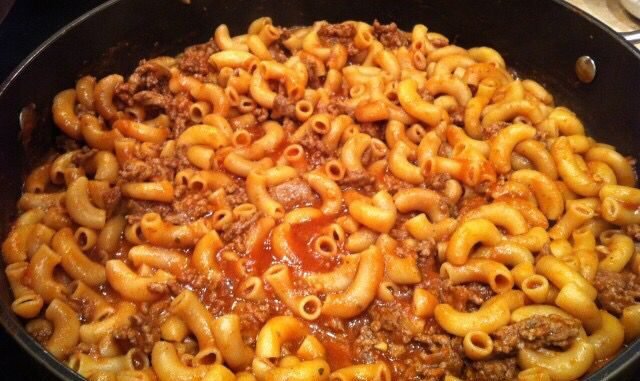
Some nights call for a meal that asks almost nothing of you yet delivers everything you crave, and this hearty skillet dinner is exactly that kind of weeknight hero. Tender elbow pasta simmers right in a rich, smoky chili base with seasoned ground beef, sweet peppers, and a generous blanket of melted cheese, so every bite tastes like pure comfort. This cheesy one-pot meal comes together in about thirty minutes with simple pantry ingredients, which means it works beautifully for busy families, game-day crowds, and anyone who loves a cozy bowl of something satisfying. Kids devour it, adults go back for seconds, and the leftovers somehow taste even better the next day. Once you learn the basic method, you can customize it endlessly with different proteins, beans, and toppings, making it a recipe you will happily return to week after week.
Why You’ll Love This Comforting One-Pot Dinner
This dish earns a permanent spot in your rotation because it checks every box on a busy weeknight. Everything cooks in one pot, so cleanup takes almost no time at all. The flavors are bold and familiar, a smoky chili base wrapped around tender pasta with plenty of melted cheese, so even picky eaters clean their plates. It uses everyday pantry staples, which means no special grocery run.

This recipe also adapts easily to whatever your household prefers. Dial the spice up or down, swap in ground turkey or plant-based protein, or load it with beans and vegetables without changing the method. Because the pasta cooks directly in the seasoned sauce, it absorbs deep flavor that boiling noodles separately could never achieve. Every spoonful delivers savory beef, tender pasta, and gooey cheese. It reheats wonderfully, making it smart for meal prep.
Everything You Need: The Ingredient Lineup
Great results start with a simple, well-planned lineup of ingredients. You need a pound of ground beef, elbow macaroni, canned diced tomatoes, tomato sauce, and beef broth for the foundation. Fresh aromatics like diced onion, bell pepper, and minced garlic build the savory base, while chili powder, cumin, smoked paprika, and oregano deliver classic chili flavor. A big handful of shredded cheddar brings the creamy, cheesy finish that makes it irresistible.

Small choices here make a noticeable difference in the result. Shredding cheddar from a block gives smoother melting than pre-shredded cheese, which contains anti-caking agents that turn grainy. Fire-roasted diced tomatoes add extra smokiness. Low-sodium broth lets you control the salt level, since the cheese adds its own. Gather and measure everything before you start, and the cooking process stays quick and smooth.
The Best Pasta Shape for This Dish
Classic elbow macaroni is the traditional choice, and it earns that role for good reason. Its small, curved tubes cook quickly and evenly in the sauce, and the hollow centers trap little pockets of the savory chili mixture in every bite. The pasta releases just enough starch as it simmers to thicken the sauce naturally, with no flour needed. Stick with standard elbows, since the sauce-to-pasta ratio was designed around them.

Whatever shape you choose, keep cooking time and liquid in mind. Short shapes that cook in eight to ten minutes are ideal because they absorb the sauce at the right pace. Longer shapes like penne need more broth and a longer simmer, so add about half a cup extra. Gluten-free pasta works too, though it softens faster, so check it early. Avoid delicate shapes like angel hair, which turn mushy in the hearty sauce.
Brown the Beef: Building Flavor First
The first step sets the foundation for everything, so take time to brown the ground beef properly. Heat a large, deep skillet over medium-high heat, add the beef, and break it into small crumbles. Let it sit undisturbed for a minute or two between stirs so it develops a rich golden crust, which adds deep savory flavor. Drain off excess fat, leaving just enough to keep the vegetables glossy.

Properly browned beef separates a good pot from a great one. The caramelized bits stuck to the pan, called fond, dissolve into the sauce later and add incredible depth. Season the meat with salt and pepper as it browns to build flavor from the start. If you crowd the pan or stir constantly, the meat steams instead of searing, so give it space and patience.
Sautéed Peppers and Onions Done Right
With the beef browned, the aromatics take center stage in the same pan. Add diced onion and bell pepper to the remaining drippings and cook over medium heat for about five minutes, stirring occasionally, until softened and lightly golden at the edges. This step matters, since raw vegetables would water down the sauce. Stir in the minced garlic during the last thirty seconds only, because garlic burns quickly and turns bitter.

Sweet bell peppers in red, orange, or green all work beautifully, so use what you have. Dicing them uniformly helps them cook evenly and distribute nicely. For extra texture, add diced poblano peppers or a handful of corn. The softened vegetables soak up the browned beef flavor left in the pan, adding another layer of richness. Do not rush this step, because well-sautéed vegetables elevate the entire meal.
Spices That Make the Chili Base Shine
The spice blend transforms simple ingredients into something that tastes like it simmered all day. Stir chili powder, ground cumin, smoked paprika, dried oregano, and a pinch of cayenne into the vegetables and cook for one minute until deeply fragrant. This quick toasting, called blooming, wakes up the flavor compounds and removes any raw, dusty taste. Coat everything evenly so each bite carries that warm seasoning.

Fine-tune this blend to match your family’s tastes. Use mild chili powder for a kid-friendly version, or add extra cayenne and hot sauce for serious heat. Ancho chili powder brings fruity depth, while adobo sauce from canned chipotles adds smoky complexity. Taste the sauce later and adjust before adding the cheese, since dairy softens spice intensity. This seasoning stage is where you truly make the recipe your own.
How the Sauce Comes Together
Once the spices are fragrant, pour in the beef broth, canned diced tomatoes with their juices, and tomato sauce, then return the browned beef to the pan. Stir well, scraping up the browned bits from the bottom, and bring to a gentle boil over medium-high heat. The liquid should look a bit soupy, which is correct, because the uncooked pasta will absorb plenty as it simmers.

A great sauce balances richness, acidity, and savory depth. Beef broth adds body that water cannot provide, so do not skip it. For a thicker sauce, stir in a tablespoon of tomato paste with the spices. The diced tomatoes add bright bursts that keep the rich beef and cheese from feeling heavy. Simmer for two or three minutes before adding the pasta so the flavors start melding, then taste and adjust the seasoning.
The One-Pot Cooking Method Explained
Cooking everything in a single pot is the secret that makes this dinner both easy and delicious. Instead of boiling pasta separately, the dry noodles go straight into the simmering chili mixture and cook there, absorbing seasoned liquid as they soften. The noodles themselves become flavorful rather than tasting plain, and their starch thickens the sauce naturally. You save a pot, skip the colander, and get a better-tasting result with less effort.

Success with this method comes down to heat and liquid control. After adding the pasta, reduce to a steady simmer, cover the pot, and stir every few minutes so the noodles do not stick. Resist adding extra broth unless the mixture looks genuinely dry. Standard elbows need about twelve to fourteen minutes. If the sauce thickens too fast, splash in a quarter cup of warm broth. The result is a creamy, cohesive dish.
Adding the Pasta to the Skillet
Stir the dry elbow macaroni directly into the bubbling sauce, making sure every piece is submerged so it cooks evenly. Press down any noodles floating on the surface, cover with a tight-fitting lid, and lower the heat to a gentle simmer. Check the texture after ten minutes and stir well, scraping the bottom to prevent sticking. Most pasta finishes in twelve to fourteen minutes total. The sauce thickens dramatically as the pasta drinks up the liquid.

Start checking the pasta a minute or two before you think it is done. You want it tender with a slight bite in the center, since it keeps softening from residual heat. If the mixture looks too soupy, simmer uncovered for two extra minutes. If too thick, stir in a splash of broth. Every pasta brand absorbs liquid a little differently, so watch the pot rather than the clock.
Cheese Choices That Melt Beautifully
The cheese is the grand finale, and choosing well makes all the difference. Remove the skillet from the heat, then stir in shredded cheddar a handful at a time until it melts into a smooth, creamy sauce. Adding it off the heat prevents the proteins from tightening and turning grainy. Sharp cheddar gives the boldest flavor, while medium cheddar melts a touch more smoothly. For best results, shred your own cheese from a block.

Other cheeses play wonderfully here too. Monterey Jack melts into a silky sauce, pepper jack adds a gentle kick, and a little cream cheese creates extra richness. A blend of two cheeses often gives the best of both worlds, sharp flavor plus creamy texture. Save a handful to sprinkle over the top and let it melt from residual heat. Cover the pot for two minutes so everything melds into a glossy finish.
Turkey Version for a Lighter Twist
Swapping ground beef for ground turkey lightens the dish without losing its hearty character. Use ninety-three percent lean turkey and brown it the same way, adding a drizzle of olive oil since it releases less fat. Because turkey is milder, boost the seasoning with an extra half teaspoon of chili powder and a pinch more cumin. The rest of the method stays exactly the same, one pot, same sauce, same pasta.

A few tweaks keep the turkey version tasting rich. Switch to chicken broth to match the lighter protein, and add a spoonful of tomato paste for extra depth. Smoked paprika and a dash of Worcestershire sauce supply the savoriness that fattier beef provides naturally. The pasta, vegetables, and cheese all stay identical. This swap cuts noticeable calories and saturated fat while keeping the cheesy comfort fully intact.
Vegetarian Option with Beans and Veggies
Leaving out the meat opens the door to a hearty vegetarian version that stands proudly on its own. Replace the ground beef with two cans of beans, such as black and kidney beans, rinsed and drained, plus extra vegetables like zucchini, mushrooms, or corn. The beans add protein and fiber while the vegetables keep every bite interesting. Use vegetable broth and an extra teaspoon of chili powder to compensate for the missing meat.

Plant-based proteins can join in too. Crumbled soy or pea-protein substitutes brown nicely and absorb the spices well. Lentils add earthy flavor and great texture after simmering. A spoonful of cocoa powder, a classic chili trick, deepens the sauce deliciously. Finish with the same generous blanket of cheddar or a dairy-free melting cheese. This version proves comfort food needs no meat to satisfy completely.
Turning Up the Heat: Spicy Variation
If your household loves a kick, this dish takes heat beautifully. Add a diced jalapeño or serrano pepper with the bell peppers, and increase the cayenne in the spice blend. A spoonful of chopped chipotle peppers in adobo sauce brings smoky heat that pairs perfectly with the rich tomato base. Hot sauce stirred in at the end lets each person customize their own bowl. The cheese mellows the spice just enough.

Layering different kinds of heat creates more interesting spice than simply adding more cayenne. Fresh peppers bring bright, sharp heat, chipotles add deep smokiness, and red pepper flakes give lingering warmth. Serve with cooling toppings like sour cream, extra cheese, and sliced avocado to balance the fire. A squeeze of lime over each bowl brightens everything. This version never sacrifices the comforting, cheesy heart of the dish.
Tips for Perfect Results Every Time
A few small habits separate a good pot from an unforgettable one. Always shred your own cheese, since fresh cheddar melts far more smoothly than the bagged kind. Brown the beef in a single layer so it sears instead of steaming. Bloom the spices in the hot vegetables for a full minute to unlock their deepest flavor. Stir the pasta every few minutes while it simmers so nothing sticks to the bottom.

Equipment matters too, though nothing fancy is required. A heavy-bottomed Dutch oven or deep skillet distributes heat evenly and prevents scorching. A tight-fitting lid traps steam so the pasta cooks evenly; if yours leaks, lay foil under it. Keep a cup of warm broth nearby in case the sauce thickens too quickly. Finally, let the dish rest five minutes off the heat before serving, so the sauce settles and the flavors marry.
Make-Ahead and Storage Guide
This dinner is a meal-prep dream because the flavors deepen overnight and reheating takes minutes. Cool the finished dish to room temperature within two hours, then transfer to airtight containers and refrigerate for up to four days. Store toppings like sour cream and fresh herbs separately so they stay fresh. The pasta absorbs more sauce as it sits, which is normal and actually makes the flavors richer.

You can also prep components ahead to make dinnertime faster. Brown the beef with the vegetables and spices up to two days in advance, refrigerate, then add broth, tomatoes, and pasta when ready to cook. This cuts active cooking time to about fifteen minutes. Just cool the finished dish promptly and keep it sealed. A well-stored batch means comfort food is always one quick reheat away.
How to Freeze It Successfully
Freezing works wonderfully if you follow a couple of smart tricks. Cook the pasta until just shy of tender, since it softens further when reheated, then cool the dish completely before packing. Portion into freezer-safe containers or heavy-duty bags, leaving a little headspace for expansion, and squeeze out excess air. Label with the date and freeze for up to three months. Thaw overnight in the refrigerator before reheating.

One pro move is freezing the sauce and pasta separately. Cook the chili base fully, freeze it alone, and cook fresh pasta when you reheat, which guarantees perfect texture. If you freeze the complete dish, stir in a splash of broth while reheating to loosen the sauce. Add a fresh sprinkle of cheese on top afterward for just-made appeal. Your freezer becomes a source of instant cozy dinners on busy nights.
Reheating Without Drying Out
The stovetop is the best way to bring leftovers back with their original creaminess. Place the cold dish in a saucepan over medium-low heat with a splash of broth or milk, stirring gently until heated through, about five to eight minutes. The added liquid replaces what the pasta absorbed and keeps the sauce silky. Avoid high heat, which can make the cheese separate and turn oily. A lid helps everything warm evenly.

The microwave works fine for single servings when time is short. Transfer a portion to a microwave-safe bowl, sprinkle with water or broth, and cover loosely with a damp paper towel. Heat in one-minute intervals, stirring between each, until steaming hot. The pauses and stirring prevent hot spots and keep the cheese smooth. For the oven, spread leftovers in a baking dish, cover with foil, and warm at 350 degrees for twenty minutes.
Serving Ideas and Toppings Bar
A toppings bar turns a simple weeknight dinner into an event everyone looks forward to. Classic options include sour cream, extra shredded cheddar, sliced green onions, and diced fresh tomatoes. Sliced jalapeños, pickled red onions, and crushed tortilla chips add crunch and zing. Fresh cilantro and a squeeze of lime brighten the rich flavors. Warm cornbread or crusty bread on the side is perfect for scooping up sauce.

This dinner also shines as party food for casual gatherings and game days. Keep a big batch warm in a slow cooker on low, with toppings nearby so guests serve themselves. It pairs well with coleslaw, roasted vegetables, or a tangy cucumber salad that cuts the richness. For a fun twist, serve it in hollowed-out bread bowls. Cold drinks like iced tea or lemonade complement the savory, cheesy flavors perfectly.
Nutrition Notes and Lightening It Up
A serving of this hearty dinner delivers a satisfying balance of protein and carbohydrates, typically around six hundred calories with plenty of protein from the beef and cheese. The tomatoes, peppers, and onions contribute vitamins A and C along with fiber. It keeps everyone full for hours thanks to its protein and complex carbohydrates. Enjoyed as part of a balanced week, it fits comfortably into most eating plans.

Lightening the dish is easy without losing its comforting soul. Swap beef for ground turkey, use reduced-fat cheese, and choose low-sodium broth to trim calories and sodium. Bulk up the vegetables with extra peppers, zucchini, or spinach to add volume for few calories. Whole wheat pasta boosts fiber if your family enjoys its nuttier flavor. Greek yogurt makes a protein-rich substitute for sour cream as a topping.
FAQs: Troubleshooting Common Issues
Even simple recipes raise questions, so here are answers to the most common ones. If the sauce is too thin, simmer uncovered for a few extra minutes or stir in tomato paste. If pasta sticks to the bottom, your heat was too high or you stirred too rarely. Grainy cheese usually means it was added over active heat or was pre-shredded, so always melt it off the burner.

If the dish tastes too acidic, a teaspoon of sugar or a pat of butter smooths it out. When the pasta soaks up all the sauce, stir in warm broth a quarter cup at a time. For picky eaters, blend the vegetables into the sauce before adding pasta so they disappear. Every stove runs a little differently, so trust your eyes and taste buds over the clock.
Leave a Reply