
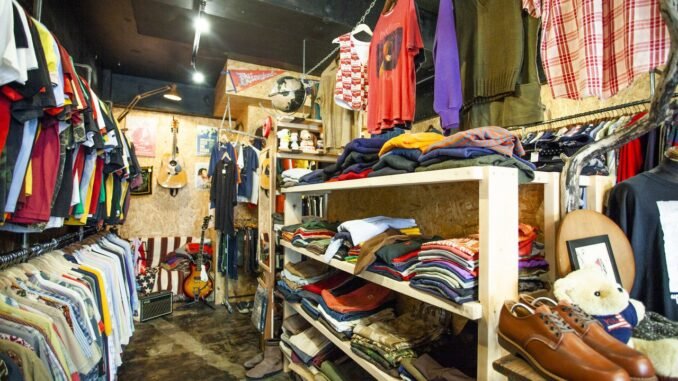
Thrift flipping for profit is one of the most accessible side hustles in America: buy undervalued secondhand goods at thrift stores, estate sales, and garage sales, then resell them online for a markup. No degree, no storefront, and no big starting budget required. What separates casual resellers from consistent earners is not luck but method. The flippers making real money treat every trip like a buying appointment, research prices before they spend, and run their operation with systems for sourcing, listing, packing, and bookkeeping. This guide breaks the business down into twenty practical strategies you can apply starting this weekend, whether your first flip is a five-dollar jacket or a fifty-dollar dresser.
Research Sold Listings Before You Spend
Profitable flipping starts at home, not at the thrift store. Before buying anything, check what identical items actually sold for on eBay, Poshmark, Mercari, or Facebook Marketplace, filtering for completed and sold listings rather than optimistic asking prices. A jacket listed at forty dollars means nothing if three identical ones sold for twelve. Build a mental price book of brands, categories, and price ceilings in your niche, and keep a running note on your phone of sell-through rates. This ten-minute habit protects you from the most common beginner mistake: buying inventory that sits for months. When you know the going rate before you walk in, every price tag becomes a simple math problem instead of a gamble.

Spend your first week doing nothing but research. Pick three categories that interest you, study one hundred sold listings in each, and write down the patterns: which brands repeat, which conditions command premiums, and which items never move. That foundation will make every future sourcing trip dramatically more productive.
Hunt Designer and Luxury Labels
Designer and premium labels are the classic thrift flip because the gap between thrift prices and resale value is enormous. Learn to spot Coach, Dooney & Bourke, Kate Spade, and contemporary brands like Lululemon, Patagonia, and Eileen Fisher by their tags, hardware, and stitching. Check date codes, serial stamps, and logo fonts to authenticate, and photograph every marking for your listing. Condition matters enormously: a scuffed designer bag still sells, but cleaning and conditioning leather can add twenty to fifty dollars of value for an hour of work. Price against sold listings for the exact model and colorway, since luxury values swing wildly between styles.

Start with mid-tier brands before chasing true luxury, because authentication mistakes are expensive at the top end. Once you can spot a real versus fake bag confidently, move upmarket where single flips can clear several hundred dollars.
Flip Chalk-Painted Furniture
Furniture is where small investments become big paydays. A dated wooden side table bought for fifteen dollars can sell for one hundred and twenty after a weekend of work. Chalk paint is the beginner flipper’s best friend: it adheres without heavy sanding, dries fast, and gives that soft matte finish buyers love. Clean the piece thoroughly, apply two thin coats, distress edges lightly with fine sandpaper for character, and seal with wax or polycrylic. Neutral colors like warm white, sage, and greige sell fastest because they fit any decor. Always photograph the piece staged in a bright room, not in your garage.

Price furniture by checking local sold listings, since big pieces usually sell through Facebook Marketplace or OfferUp rather than shipping. Factor in your paint, supplies, and at least twenty dollars an hour for your labor.
Give Dressers a Full Makeover
Dressers are the workhorses of furniture flipping: always in demand, easy to find cheap, and forgiving to refinish. Look for solid wood or sturdy veneer with working drawers, and walk away from pieces with broken drawer tracks or strong smoke odor unless the price is nearly free. Beyond paint, upgrades multiply value: swap dated knobs for modern brass or matte black pulls, line drawers with pretty contact paper, and repair wobbly legs with wood glue and clamps. A nine-drawer dresser bought for forty dollars routinely sells for two hundred and fifty or more once it looks intentional instead of tired.

Document your process with before-and-after photos. Buyers pay premiums for craftsmanship they can see, and those photos double as content for social media that drives future sales.
Restyle Statement Furniture Pieces
Not every flip needs to be neutral. Bold statement pieces, from emerald green cabinets to mustard yellow accent chairs, attract buyers hunting for personality and often sell faster than safe beige options. The trick is restraint: one confident color, clean lines, and quality hardware. Study current interior trends on Pinterest to see which hues are peaking, and buy pieces with good bones that photograph dramatically. Statement flips also make the best portfolio content, pulling followers and repeat customers who want that exact look. Price them slightly above comparable neutral pieces, since the buyer pool is smaller but far more motivated.

Keep one statement piece in your inventory at all times as a traffic magnet. Even browsers who do not buy it will click through to the rest of your listings.
Modernize Solid Wood Furniture
Solid wood furniture from the seventies through the nineties is flooding thrift stores as estates clear out, and much of it is better built than anything sold new at the same price point. Stripping and restaining is more work than painting but commands higher prices from buyers who want real wood grain. Sand down to bare wood, apply a modern stain like weathered oak or espresso, and finish with polyurethane for durability. Mid-century silhouettes, dovetail drawers, and solid oak or maple construction are your green lights. Avoid particle board with peeling veneer, which rarely justifies the labor.

Learn to identify wood species and joinery, since those details belong in your listing and justify premium pricing. A genuine mid-century teak piece can be worth ten times a lookalike.
Cash In on Vintage Glassware and Pyrex
Small, shippable, and wildly collectible, vintage glassware is a perfect category for flippers without a truck. Pyrex patterns like Butterprint, Gooseberry, and Pink Daisy have devoted collector followings, and complete sets in good condition sell for many times their thrift price. Learn the valuable patterns, check for chips and the cloudy “dishwasher damage” that kills value, and always verify markings on the bottom. Depression glass, Fire-King mugs, and uranium glass also have passionate buyers. Because these items are fragile, your packing skills directly protect your profit, so master double-boxing early.

Specialize in two or three patterns and learn their full price ranges. Collectors pay extra for rare pieces to complete sets, and they buy repeatedly from sellers they trust.
Resell Sneakers for Quick Profit
Sneaker reselling rewards flippers who study the market. Limited releases from Nike, Jordan, Adidas, and New Balance can double or triple in value, and even general-release vintage pairs in good condition move steadily. At thrift stores, check soles for wear, smell the interior honestly, and look up the exact model and colorway on sold listings before buying. Cleaning is a genuine value-add: a proper wash, lace replacement, and sole whitening can turn a twenty-dollar find into an eighty-dollar sale. Be ruthless about fakes, which are common, and never list a shoe you cannot authenticate.

Size matters: men’s sizes nine through eleven sell fastest, so prioritize those when inventory is plentiful. List with clear photos of the size tag, tread, and any flaws to avoid returns.
Specialize in a Profitable Niche
Generalist flippers compete with everyone; specialists dominate a lane. Pick a niche with proven demand, such as vintage band tees, workwear brands like Carhartt, outdoor gear from Patagonia and The North Face, or deadstock vintage still in original packaging. Specialization compounds your knowledge: you learn the valuable variants, spot fakes instantly, and build a repeat buyer following. Your sourcing gets faster too, since you can scan a rack and ignore ninety percent of it. The richest flippers are rarely the ones with the most categories; they are the ones who know one category better than anyone else in their market.

Choose your niche by crossing what sells with what you enjoy hunting. Enthusiasm survives slow weeks, and genuine expertise shows in listings that convert.
Flip Vintage Cameras and Retro Tech
Film cameras are back, and Gen Z buyers are paying real money for the gear their grandparents donated. Look for Canon AE-1s, Pentax K1000s, Polaroid SX-70s, and quality lenses, testing shutters and checking for fungus or haze in the glass. Vintage audio gear, early Apple products, mechanical keyboards, and retro video game consoles also flip well. This category demands testing: “untested” listings sell for far less, so invest in basic batteries and learn simple function checks. Clean contacts, include a fresh battery, and describe exactly what you tested. Honest, tested listings earn premium prices and five-star reviews.

Learn which models have cult followings before you buy, since obscure cameras can be worthless while nearly identical-looking ones sell for hundreds. A quick model-number search saves costly mistakes.
Sell Books, Textbooks, and Media
Books are the quiet workhorses of flipping: cheap to source, easy to ship, and always in demand. Textbooks are the headline category, with current editions bought for two dollars selling for thirty or more, but first editions, box sets, and niche nonfiction also perform. Use a scanning app to check values quickly while sourcing, since speed matters when shelves are picked over. Vinyl records, DVDs box sets, and video games ride alongside books in the same “media” workflow. Condition grading is everything here, so learn the difference between like-new, very good, and acceptable, and grade conservatively to protect your feedback score.

Bundle slow-moving books into themed lots to clear inventory faster. A set of five cookbooks often outsells the same titles listed individually.
Mend, Tailor, and Upcycle Clothing
Basic sewing skills unlock an entire tier of inventory other flippers leave behind. A designer blazer missing a button, jeans with a torn hem, or a dress one size too large can be bought for pennies and sold at full market value after thirty minutes of work. Learn to replace buttons, hem pants, take in waists, and patch small holes invisibly. Upcycling goes further: cropping, distressing, dyeing, or restyling dated pieces into current trends. Photograph the finished garment on a hanger or dress form in natural light, and mention the professional alterations in your listing as a selling point rather than hiding them.

A fifty-dollar used sewing machine pays for itself within the first month. Practice on your own clothes before touching inventory, and keep a small kit of thread, needles, and buttons in your workspace.
Photograph Every Flip With Your Phone
Photography is the single highest-leverage skill in reselling. You do not need a fancy camera; a modern phone, a white poster-board backdrop, and window light are enough. Shoot every angle, including flaws, because honest photos prevent returns and build trust. For clothing, use a dress form or flat-lay the item neatly; for hard goods, stage them in a clean, styled setting. Take at least eight photos per listing: front, back, sides, tags, labels, measurements, flaws, and packaging scale. Bright, consistent photos make your listings look professional and justify higher prices than dim, cluttered competitors.

Build a tiny photo station you can leave set up permanently. Removing setup friction means you will actually photograph inventory the day it arrives instead of letting it pile up.
Write Titles and Descriptions That Sell
Your listing copy does the selling while you sleep. Front-load titles with the exact words buyers search: brand, item type, size, color, and style, like “Levi’s 501 Vintage Denim Jacket Medium Trucker 90s.” In the description, lead with condition and measurements, since those answer the two questions every buyer asks. Mention fabric content, flaws honestly, and styling suggestions that help buyers picture the item. End with your shipping speed and return policy to remove last-minute hesitation. Good copy does not just describe; it reassures, and reassured buyers click buy instead of moving on.

Create a template with blanks for measurements and condition notes so every listing takes minutes instead of half an hour. Consistency in format also makes your shop look established and trustworthy.
List on the Right Platform for Each Item
Different marketplaces favor different inventory, and matching item to platform boosts both price and speed of sale. eBay dominates for collectibles, electronics, and true vintage with its auction format and massive search traffic. Poshmark and Depop win for contemporary clothing, streetwear, and trendy pieces with their social, style-driven audiences. Etsy is ideal for vintage over twenty years old and handmade upcycles. Facebook Marketplace and OfferUp move furniture and bulky items locally with no shipping hassle. Cross-list your best shippable inventory on two or three platforms, and delist instantly when something sells to avoid double-selling headaches.

Track which platform moves each category fastest for you, then default future inventory there. Over time your platform instincts become as valuable as your sourcing eye.
Pack and Ship Like a Professional
Shipping is where amateur flippers bleed money and professionals protect it. Weigh every item with a kitchen scale and know your cheapest options: USPS Ground Advantage for light packages, Priority Mail for speed, and Pirate Ship or similar discount postage services that beat retail counter rates. Keep polymailers for clothing, bubble mailers for small hard goods, and sturdy boxes for everything else. Ship within one business day whenever possible, since fast handling earns the positive reviews that power future sales. Professional packaging turns a one-time buyer into someone who checks your shop first next time.

Buy supplies in bulk once you know your volumes; per-unit costs drop dramatically. Never let a lack of boxes delay a shipment, because late shipping damages your seller metrics.
Protect Fragile and High-Value Flips
One broken Pyrex bowl can erase the profit of ten good sales, so packing fragile items is a core business skill. Wrap each piece individually in bubble wrap or packing paper, surround it with at least two inches of cushioning on all sides, and double-box anything truly valuable or irreplaceable. Mark boxes fragile, but never rely on carriers to be gentle; pack as if the box will be dropped. Photograph high-value items before sealing the box as proof of condition. Consider purchasing additional insurance through your shipping provider for items over one hundred dollars, since carrier-included coverage is limited and claims require documentation.

Save and reuse clean packing materials from your own deliveries to cut costs. Buyers notice thoughtful, secure packaging and mention it in reviews, which compounds into more sales.
Build a Packing Station That Saves Hours
As volume grows, scattered supplies become a hidden tax on every sale. Dedicate a corner of a room to a packing station: scale, tape gun, polymailers, boxes, bubble wrap, thank-you cards, and a printer for labels, all within arm’s reach. Create an assembly-line routine: print labels in batches, pack in batches, and schedule one daily post office drop or carrier pickup. Time yourself and you will find a proper station cuts packing time per order in half. That reclaimed time goes straight back into sourcing and listing, which are the activities that actually generate revenue.

Keep a small stock of each supply and reorder before you run out. A packing station that is missing tape is just a table, and downtime during a sales surge costs real money.
Track Every Dollar and Handle Reseller Taxes
Treat flipping like a business from day one and the money side stays painless. Log every purchase, sale, fee, shipping cost, and supply expense in a simple spreadsheet or bookkeeping app, and keep receipts for everything. In the United States, reselling profits are taxable income, and marketplaces now issue 1099-K forms once you cross reporting thresholds, so set aside twenty to twenty-five percent of profit for taxes in a separate account. If you flip consistently, consider a resale certificate from your state so you can buy inventory tax-free for resale. A thirty-minute weekly bookkeeping session prevents the year-end panic that sinks many side hustles.

Talk to a tax professional once your monthly profit passes a few hundred dollars. An hour of advice is cheap compared to penalties, and they will often find deductions you missed.
Scale From Side Hustle to Full-Time Income
Scaling is about systems, not longer hours. Reinvest early profits into better tools, bulk supplies, and a larger inventory buffer so you are never waiting on one sale. Standardize your listing templates, photo process, and packing routine until each takes minutes. When sourcing trips consistently fill your car, consider hiring part-time help for photographing and packing while you focus on buying, which is the highest-skill task. Many full-time flippers run on simple weekly rhythms: two sourcing days, two listing days, and daily shipping. Grow at the pace your systems can handle, and the business compounds.

Set a monthly profit target and review what produced it. Double down on your two or three most profitable activities each quarter, and cut whatever consistently underperforms.
Thrift flipping for profit rewards the prepared: research before you buy, specialize where you can win, present every item like it matters, and run the back end like a real business. Start with a single category and a fifty-dollar sourcing budget this week. Your first few flips will teach you more than any guide, and every sale funds the next, better round of inventory. The treasure is already sitting on those shelves; now you know how to turn it into income.
Leave a Reply