
Meal Prepping on a Budget
Meal prepping on a budget is one of the simplest ways to eat well, waste less food, and stop spending money on takeout when you are tired or busy. The idea is not to cook fancy meals or buy special equipment. It is to plan a few affordable meals, cook them in larger batches, and store them so healthy food is ready whenever you need it. When your fridge already holds rice, roasted vegetables, beans, chicken, and simple snacks, the easiest choice becomes the cheapest choice too. This guide walks you through setting a weekly food budget, planning a menu, shopping smart, cooking in batches, and storing everything safely. You do not need to prep every meal for the whole week, and you do not need to eat the same lunch five days in a row.
Set a Weekly Food Budget That Actually Works
A budget only helps if it matches your real life, so start by adding up what you already spend on food in a typical week, including groceries, coffee, snacks, delivery orders, and lunches bought at work. Then choose a weekly grocery number that feels challenging but realistic, and treat eating out as a separate, smaller amount rather than pretending it will not happen. Many people find that one small takeout allowance actually helps them stick to the plan, because they never feel trapped by it.
Divide the budget roughly by meal type so you can see where the money should go. Breakfast and lunch are usually the cheapest meals to prep, while dinners cost more because they include protein and more ingredients. If money feels tight, put most of it toward versatile staples that appear in several meals, like rice, eggs, beans, potatoes, carrots, onions, and frozen vegetables.

Plan Your Menu Before You Shop
Planning your menu before you shop is the most effective way to lower your grocery bill. Without a plan, it is easy to buy ingredients you never use, grab extras that look tempting, and still come home without everything needed for dinner. Spend twenty minutes choosing meals for the week, checking what you already have at home, and writing a list based on those meals.
A good menu also builds in flexibility, because real weeks rarely go exactly as planned. Leave one night for leftovers, one night for a very simple meal like soup, eggs, or baked potatoes, and one slot you can swap if plans change. Repeat a favorite meal every week so shopping gets faster and you learn exactly how much to buy.

Stock a Pantry That Pays for Itself
A well-stocked pantry is the secret behind cheap meal prep, because it lets you build meals from ingredients you already own instead of shopping for every dinner. Start with basics that last a long time and appear in many recipes: rice, pasta, oats, canned beans, canned tomatoes, lentils, flour, cooking oil, vinegar, salt, pepper, garlic, and a few dried herbs and spices.
You do not need to buy everything at once, and trying to do so can blow your budget. Instead, add one or two pantry items to your list each week until your shelves are stocked, focusing first on the foods you cook with most often. Store dry goods in sealed jars so they stay fresh and visible, and do not get forgotten at the back of a cupboard.

Organize Your Pantry So Nothing Gets Wasted
Food waste is one of the biggest hidden costs in any kitchen, and an organized pantry is the best defense against it. When cans, jars, and boxes are jumbled together, it is easy to forget what you bought, buy the same thing twice, or discover an expired item months too late. Group similar foods together, such as grains in one spot and canned goods in another, and put newer purchases behind older ones so the oldest items get used first.
Take ten minutes once a month to look through your pantry, toss anything spoiled or long expired, and list what needs replacing. This small habit prevents the classic problem of buying a third bag of rice while two bags sit unopened at home. Keep everyday ingredients at eye level and rarely used items higher up.

Build Meals Around Cheap, Filling Grains
Grains are the backbone of budget meal prep because they are inexpensive, filling, and versatile. A large pot of rice can become fried rice one day, a burrito bowl the next, and a soup base later in the week. Oats make a cheap and satisfying breakfast, especially as overnight oats or warm porridge with fruit and peanut butter.
Cook grains in batches and store them properly so they are ready all week. Cooked rice keeps well in the fridge for several days and freezes well in portion-sized containers for quick lunches. Season it lightly so it works with many different dishes, and pair it with beans, lentils, eggs, or roasted vegetables for balanced meals that cost very little per serving.

Let Sheet Pan Vegetables Do the Heavy Lifting
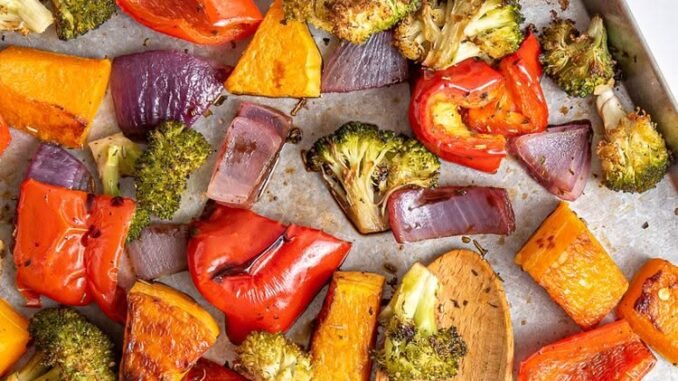
Sheet pan vegetables are one of the best tools in budget meal prep because they are cheap, easy, and flexible. Chop whatever vegetables are affordable and in season, toss them with oil, salt, and pepper, and roast them on a large tray until tender and slightly caramelized. Broccoli, carrots, zucchini, peppers, onions, mushrooms, and sweet potatoes all roast well, and you can mix and match based on what is on sale.
To get the best results, cut vegetables into similar sizes so they cook evenly, and do not crowd the pan, since crowded vegetables steam instead of roasting. Use two trays if needed, and roast at a high temperature so the edges turn golden and sweet. Season simply at first, then add variety later with different sauces, herbs, or spices.

Roast Once and Eat Well All Week
Roasting a large batch of vegetables once a week is a habit that pays off every single day. Instead of cooking vegetables from scratch at every meal, you do the chopping and roasting one time, then enjoy the results for days. Roasted vegetables keep well in the fridge for four to five days, and they taste great cold, at room temperature, or quickly reheated.
Choose vegetables that hold up well after cooking, such as carrots, cauliflower, sweet potatoes, parsnips, and broccoli, and avoid delicate greens that turn soggy quickly. Store roasted vegetables in airtight containers, and keep sauces separate so nothing becomes mushy before you eat it. If you get bored eating the same vegetables plain, change the flavor with lemon, dressing, cheese, or toasted seeds.

Roast Chicken and Vegetables on One Tray
Roasting chicken and vegetables together on one tray is a budget-friendly dinner that practically cooks itself. Chicken thighs are usually cheaper than chicken breasts, stay juicy when roasted, and taste wonderful with simple seasoning. Surround the chicken with potatoes, carrots, Brussels sprouts, and onions, add oil and herbs, and roast everything until the chicken is cooked through and the vegetables are tender.
This method also creates excellent leftovers for meal prep. Slice or shred the extra chicken and store it with the vegetables in separate containers, so you can build lunches, wraps, salads, and grain bowls for days. Keep them in the fridge for up to four days, or freeze portions for later weeks.

Pack Balanced Bowls for Work and School
Meal prep bowls are perfect for budget eating because they combine a grain, a protein, and vegetables in one portable container. Start with rice, then add chicken, broccoli, and carrots, or swap in beans, eggs, or tofu for an even cheaper version. Bowls are easy to customize, so each person can build the combination they like best, and they travel well for work or school.
The key to bowls that stay tasty is varied texture and flavor. Add something crunchy, something saucy, and something fresh, such as pickled onions, a simple dressing, or greens added at serving time. Store dressings separately so rice and vegetables do not become soggy, and reheat only until warm. Use clear containers so you can see what is inside.

Layer Mason Jar Salads That Stay Crisp
Mason jar salads are a clever way to prep fresh lunches that stay crisp for days. The trick is layering in the right order: dressing goes on the bottom, followed by sturdy ingredients like beans, grains, or chopped vegetables, then protein and cheese, with leafy greens on top.
Use ingredients that hold up well, such as chickpeas, black beans, cucumbers, carrots, tomatoes, and cooked chicken or tuna, and keep the jars sealed tightly in the fridge. Most mason jar salads stay fresh for three to five days, so making three or four on Sunday can cover much of the week. Choose jars with wide mouths for easy filling and eating.

Make a Second Batch of Grab-and-Go Lunches
Once mason jar salads become a habit, making a second batch with different ingredients keeps lunch interesting all week. Try a Mediterranean version with chickpeas, cucumbers, tomatoes, red onion, and feta, or a taco-inspired jar with black beans, corn, rice, and salsa. Changing just two or three ingredients creates a completely different lunch, so you never feel like you are eating the same meal twice.
Prep the second batch midweek if you prefer fresher salads, or make all of them on Sunday and eat the heartiest ones first. Keep a note of combinations you liked, so future prep sessions get easier instead of starting from scratch each time. Use up leftover roasted vegetables, grains, and proteins in your jars, which turns yesterday’s dinner into today’s lunch at no extra cost.

Store Your Prepped Food the Right Way
Good storage is what makes meal prep safe, tasty, and worth the effort. Use clean, airtight containers in sizes that match your portions, so food stays fresh and your fridge stays organized. Glass containers are easy to see through and reheat in, while sturdy plastic containers are lighter for carrying to work or school. Let hot food cool before sealing it, and store sauces and crunchy toppings separately so textures stay pleasant.
Most cooked meals keep safely in the fridge for three to four days, so eat the most perishable dishes first and freeze anything you will not eat in that window. Stack containers neatly, with the oldest meals at the front, and keep raw ingredients separate from ready-to-eat food. When you can see your prepped meals clearly, you are far more likely to eat them instead of ordering food.

Fill the Freezer on Your Strongest Cooking Day
Your freezer is one of your best budget tools, because it lets you save good food for weeks when cooking feels harder. Choose one day when you have a little extra time, cook a double batch of soup, stew, chili, or a casserole, and freeze the extra portions in labeled containers or bags. Frozen meals are perfect for busy evenings, sick days, or weeks when groceries run low, and they cost far less than delivery food.
Label every container with the dish name and date, and use the oldest meals first so nothing lingers for months. Freeze food in single or family-sized portions, depending on how you usually eat, and leave a little space at the top because food expands as it freezes. Thaw frozen meals overnight in the fridge, and reheat them until steaming hot throughout.

Prep Snacks at Home Instead of Buying Them
Snacks are a surprisingly large part of many food budgets, especially when they come from vending machines, coffee shops, or convenience stores. Prepping snacks at home costs much less and usually gives you healthier options too. A big bowl of mixed nuts, dried fruit, and seeds can be portioned into small containers for the whole week, giving you a filling snack that travels well.
Buy nuts and dried fruit in bulk when possible, since small snack packs carry a big markup for packaging. Store your snack mix in a cool, dry place, and portion it ahead of time so you are not tempted to eat far more than planned. Keep a container of snacks at work or in your bag, so hunger never forces an expensive impulse purchase.

Portion Snacks Into Jars for Busy Days
Portioning snacks into small jars or containers is a simple habit that makes healthy eating much easier. When snacks are already divided into single servings, you can grab one on your way out the door without thinking or measuring. This works well for trail mix, nuts, dried fruit, granola, and cut vegetables, and it helps with portion control too.
Set aside ten minutes after shopping or cooking to portion snacks for the coming days. Keep a few jars in the pantry, a few in the fridge if needed, and one or two in your work bag for emergencies. Refill the jars each week and rotate flavors so no one gets bored, perhaps swapping almonds for peanuts or adding dried cranberries or dark chocolate chips.

Turn Baked Potatoes Into a Budget Dinner
Baked potatoes are one of the cheapest, most satisfying dinners you can make, and they are perfect for meal prep. Potatoes cost very little, store well for weeks, and bake into a fluffy, filling base for almost any topping. Bake several at once until the skins are crisp and the insides are soft, then let everyone choose their own toppings.
For meal prep, bake a batch of potatoes and store them in the fridge for up to four days, reheating them in the oven or microwave when needed. Keep toppings in separate containers so each person can build their ideal potato, and use up leftovers from other meals as toppings to avoid waste.

Set Up a Baked Potato Bar for the Family
A baked potato bar is a fun, low-cost way to feed a family without cooking several different meals. Bake a tray of potatoes, set out toppings in small bowls, and let everyone build their own dinner. This works well for mixed tastes and dietary needs, because one person can load up on cheese and bacon while another chooses beans, vegetables, and salsa.
Keep the topping choices simple and affordable: grated cheese, sour cream, butter, chopped green onions, cooked beans, roasted vegetables, and any leftovers from the week. Prepare toppings ahead of time and store them in the fridge, so the potato bar comes together in minutes on a busy evening. If you have extra potatoes, save them for lunches the next day.

Keep a Tray of Roasted Vegetables Ready
Having a tray of roasted vegetables ready in the fridge is like keeping a head start on every meal. A colorful mix of sweet potatoes, Brussels sprouts, cauliflower, peppers, and onions can be served as a side dish, folded into eggs, tossed with pasta, or piled onto a grain bowl. Because the vegetables are already cooked and seasoned, you can assemble a healthy meal in the time it takes to reheat rice or boil pasta.
Roast vegetables in a single layer with plenty of space, so they caramelize instead of steaming, and store them in a shallow container so they cool quickly and stay fresh. Eat them within four to five days, and refresh leftovers with a new sauce or seasoning if they start to feel repetitive. A tahini drizzle, a splash of vinegar, or a sprinkle of feta can completely change the flavor.

Shop Seasonal Vegetables to Lower the Bill
Shopping for seasonal vegetables is one of the easiest ways to cut your grocery bill without eating less well. Vegetables that are in season are usually more abundant, fresher, and cheaper than out-of-season imports, and they often taste better too. In cooler months, root vegetables, squash, cabbage, and Brussels sprouts offer great value, while summer brings affordable tomatoes, zucchini, peppers, and sweet corn.
Visit farmers markets near closing time for possible discounts, compare prices between stores, and check frozen vegetables too, since they are often just as nutritious and sometimes cheaper than fresh. When a seasonal vegetable is especially cheap, buy extra, roast a large batch, and freeze portions for later.

Cook One Big Tray to Close Out the Week
Ending the week with one big tray of roasted vegetables is a smart way to use up odds and ends before they go bad. Gather the remaining carrots, potatoes, cauliflower, zucchini, onions, and peppers from your fridge, chop them into similar sizes, and roast them together with oil and seasoning. This end-of-week tray clears space in your fridge, prevents waste, and gives you several portions for lunches, sides, or a final family dinner.
Serve the roasted vegetables with rice, bread, eggs, or any leftover protein, and save the rest for the first lunches of the following week. If you have more than you can eat, freeze portions for a future busy day. This habit closes the loop on your weekly meal prep: you planned, you cooked, you stored, and now you finish by using everything up.

Meal prepping on a budget is not about perfection, strict rules, or eating the same meal every day. It is about small, repeatable habits: planning your menu, stocking your pantry, cooking in batches, and storing food well. Start with just one or two ideas from this guide, such as a weekly menu and a tray of roasted vegetables, and add more habits as they become easy. You will likely notice the difference quickly, in a lower grocery bill, less food waste, calmer weeknights, and lunches you actually look forward to.
Leave a Reply