
Winter Travel Destinations
Winter travel has a magic all its own. The crowds thin out, the landscapes turn white, and the simple pleasures of a warm drink, a crackling fire, and a snowy walk become the highlights of the day. Whether you dream of chasing the northern lights, skiing in the Alps, or simply hiding away in a cozy cabin, winter offers destinations to suit every traveler and every budget. This guide brings together twenty of the best winter travel destinations, from famous resorts to quiet villages, with practical tips to help you plan a trip that is comfortable, safe, and unforgettable. Pack your warmest layers, and let the snow lead the way.
Alpine Chalets and Cozy Porches
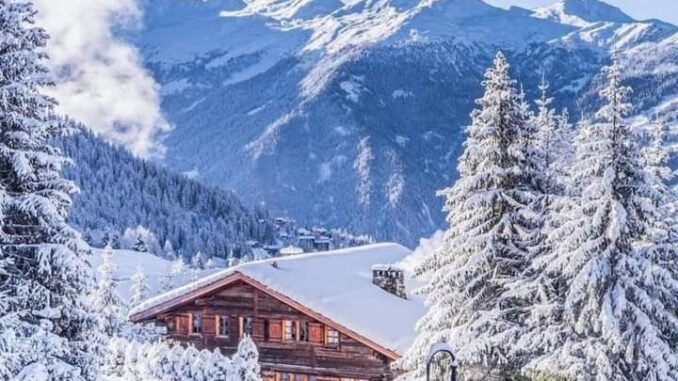
There is nothing quite like arriving at an alpine chalet after a day in the snow and settling onto a covered porch beside a fire pit. The air is cold and clean, the forest outside is deep in snow, and the warmth of the fire makes the whole evening feel slow and peaceful. Many chalets in the Alps are built for exactly this kind of comfort, with thick wooden beams, deep sofas, and big windows that frame the mountains.

When you plan a chalet stay, look for a place with a fireplace or outdoor fire pit and a kitchen where you can cook simple, hearty meals. Book early for peak weeks, because the best chalets sell out months ahead, and check whether ski storage and boot warmers are included. A chalet holiday is ideal for groups, since everyone can gather in one warm space after a day on the slopes.
Lapland and the Northern Lights
Lapland, in the far north of Finland, is one of the most magical winter destinations on earth, especially when the northern lights ripple across the sky. Small villages glow with warm lights against the snow, and the silence of the Arctic night makes the aurora feel even more extraordinary. Visitors can ride in a reindeer sleigh, visit Santa Claus Village, or sleep in a glass igloo and watch the sky from bed.

The best time to see the aurora is from late autumn to early spring, on clear, dark nights away from town lights. Dress in layers, with a windproof outer layer and warm boots, because Arctic temperatures can be very cold. Book aurora tours with local guides who watch the forecasts closely, and give yourself several nights, since the lights never appear on demand.
If the aurora does not appear on your first night, do not be discouraged. The lights are a natural phenomenon, and patience is part of the experience. Spend the waiting time enjoying a sauna, a snowmobile ride, or a quiet dinner, and the sky may surprise you when you least expect it.
Banff and the Canadian Rockies
Banff, in the Canadian Rockies, combines dramatic mountain scenery with a friendly town full of restaurants, shops, and hot springs. In winter, the lakes freeze, the peaks turn white, and the town glows with lights, making it a perfect base for skiing, snowshoeing, and sightseeing. The nearby town of Lake Louise is famous for its frozen lake and ice castle, which draws visitors from around the world.

If you visit Banff in winter, pack for real cold and plan at least one soak in the Banff Upper Hot Springs, where warm water steams in the mountain air. Skiers can choose between Sunshine Village, Lake Louise, and Mount Norquay, all within easy reach of town. Non-skiers will enjoy the gondola ride to the top of Sulphur Mountain for sweeping views of the snowy valley below.
Cabin Weekends in the Woods
A cabin weekend in the woods is the simplest kind of winter escape, and often the most restorative. You arrive, light the fire, unpack books and board games, and let the snow do the rest. With no schedule and no crowds, a cabin stay gives you time to rest, cook together, and watch the snowfall from a warm room.

Choose a cabin with reliable heating, a well-stocked kitchen, and a backup plan for power cuts if you are heading somewhere remote. Bring warm socks, a good book, and ingredients for slow meals like soup and stew. If you can, pick a cabin near trails so you can walk in the snow by day and return to the fire by evening.
Sleeping Under the Aurora in an Igloo
Sleeping in an igloo under the northern lights sounds like a dream, and in parts of Lapland and northern Canada it is a real experience you can book. A glowing ice shelter, a warm sleeping bag, and a sky full of green light make for a night you will never forget. Many tours combine the igloo night with dog sledding or snowmobiling the next day.

Igloo nights are cold by nature, so listen carefully to the guides about clothing and sleeping bags, and bring hand warmers for comfort. If you want a softer version of the experience, choose a glass igloo or aurora cabin, where you get the same sky views from a heated room. Either way, check the moon phase and cloud forecast, because dark, clear skies give the best aurora shows.
Reykjavik and Iceland in Winter
Reykjavik is a wonderful winter base, with colorful houses, cozy cafes, and easy day trips to waterfalls, black sand beaches, and geothermal pools. The city is small enough to explore on foot, and its restaurants serve hearty Icelandic dishes like lamb soup and fresh fish. From Reykjavik, you can join northern lights tours, glacier hikes, and trips along the famous Golden Circle route.

Winter days in Iceland are short, so plan your sightseeing around the limited daylight and save evenings for aurora hunting and the Blue Lagoon. Renting a car gives you freedom, but check road conditions daily, because winter weather can change quickly. Pack waterproof layers and sturdy boots, since ice and wind are part of the Icelandic winter experience.
Iceland’s winter light is famously soft and golden, even in the middle of the day, which makes it a favorite for photographers. Bring extra batteries, since cold drains them quickly, and keep your camera inside your jacket between shots to protect it from the wind.
Finland’s Arctic Cabins and Campfires
Finland’s Arctic cabins offer a slower, quieter kind of winter holiday, where the main events are a campfire, a sauna, and a walk through silent snow. Many cabins sit beside frozen lakes or in deep forest, far from city lights, so the stars and the aurora are brilliantly clear. After a day outdoors, nothing beats returning to a warm cabin and cooking dinner over the fire.

When you book an Arctic cabin, check whether firewood, bedding, and a sauna are included, and learn the basics of sauna etiquette before you go. Bring a headlamp for dark winter afternoons, and try cross-country skiing or snowshoeing on the marked trails near your cabin. A few nights in this kind of stillness can feel more refreshing than a busy resort holiday.
Little Houses in the Winter Woods
There is a special charm to a little house tucked among snow-covered trees, where the world feels small, quiet, and safe. These woodland stays are popular across Scandinavia, Canada, and the northern United States, and they suit travelers who want nature without giving up comfort. You can spend the day hiking or reading, and the evening by the fire with hot chocolate.

Look for woodland cabins with good insulation and a reliable water supply, and ask the host about access in heavy snow. Some cabins are reached by a short walk from the road, so pack light and wear boots you can walk in. If you travel with children, choose a cabin with a safe, flat area outside for snow play.
Swiss Alps and Mountain Villages
The Swiss Alps are the classic winter destination, with postcard villages, excellent ski resorts, and trains that climb through snowy passes. Villages like Zermatt, Grindelwald, and Wengen offer car-free streets, traditional chalets, and views of famous peaks such as the Matterhorn. Even if you do not ski, the mountain railways and winter walking paths are worth the trip alone.

Switzerland is expensive, so plan your budget carefully and consider staying in a smaller village near a big resort to save money. Buy train passes in advance if you plan several mountain trips, and try local dishes like fondue and raclette, which taste best after a cold day outdoors. A Swiss winter trip rewards slow travel, so leave time to simply watch the mountains change color at sunset.
Hiking in the Winter Mountains
Winter hiking is a different kind of adventure, quieter and more demanding than summer walking, but deeply rewarding. A lone hiker crossing a snowy valley, with peaks rising on every side, experiences a silence and scale that few other activities can offer. With the right gear and preparation, winter trails in the Rockies, the Alps, and the Cascades are accessible to careful walkers.

Safety comes first in winter: check avalanche forecasts, tell someone your route, and carry a map, headlamp, and extra warm layers. Snowshoes or microspikes help on icy paths, and a thermos of hot tea makes every break better. Start with short, marked winter trails and build up to longer routes as your confidence grows.
Winter hiking poles are worth packing even on easy trails, because they steady you on icy sections and take pressure off your knees on descents. Choose poles with snow baskets so they do not sink into soft snow, and practice using them before a long route.
Whistler Village in Winter
Whistler, in British Columbia, is one of North America’s best-loved ski resorts, and its pedestrian village is as much a draw as the slopes. In the evening, skiers stroll through snow-covered streets lined with shops and restaurants, carrying skis and snowboards, while lights glow in every window. The atmosphere is lively but relaxed, and there is plenty to do for non-skiers too.

Beyond skiing, Whistler offers snowmobiling, ice skating, tubing, and the Peak 2 Peak gondola, which links two mountains with spectacular views. Book accommodation and lift tickets early for holidays, and consider a midweek trip for quieter slopes. If you visit in December, the village decorations and festive events make the trip feel extra special.
Scenic Winter Drives
Some of the best winter travel happens by car, on scenic roads that wind through snowy valleys beside frozen streams. A winter drive through the Dolomites, the Rockies, or the Scottish Highlands offers constantly changing views, from golden light on the peaks to mist in the valleys. You can stop whenever you like, take photos, and enjoy a warm drink in a village cafe.

Winter driving needs care: check road closures, carry snow chains where required, and keep your fuel tank at least half full. Pack blankets, water, and snacks in case of delays, and plan shorter driving days than you would in summer. With sensible preparation, a winter road trip can be one of the most beautiful journeys you ever take.
A-Frame Cabins in the Snow
A-frame cabins have become icons of winter travel, with their steep triangular roofs shedding snow and their big glass fronts framing the forest. Inside, the open-plan living space feels cozy despite the high ceilings, and a wood stove or fireplace keeps the whole cabin warm. At night, the cabin glows from within, looking like a lantern in the trees.

When you book an A-frame, check the sleeping layout carefully, because lofts can be steep and low, and may not suit everyone. Bring slippers, since cabin floors can be cold, and enjoy the simple pleasures of the stay: cooking together, playing games, and watching snow fall through the big windows. An A-frame stay is perfect for couples and small families.
Freudenberg and Half-Timbered Towns
Germany’s half-timbered towns look their best in winter, when snow settles on steep roofs and lights glow in small windows. Freudenberg, with its rows of black-and-white timber houses, is one of the prettiest examples, and it feels like walking into a storybook. These towns are wonderful for slow wandering, with bakeries, small museums, and cafes to warm up in.

Combine a visit to a half-timbered town with a nearby Christmas market or a winter hike in the surrounding hills. Stay overnight if you can, because the towns are quietest and most beautiful in the early morning and evening, when day-trippers have gone. Wear warm, waterproof shoes, since cobblestones can be slippery in snow and ice.
Half-timbered towns are best explored without a fixed itinerary. Wander the side streets, step into a bakery when you smell fresh bread, and climb to a viewpoint for a panorama of snowy roofs. The unplanned moments are often the ones you remember best.
Storybook Villages in Winter
Some winter villages look so perfect that they seem made up, with crooked cottages, glowing windows, and snow piled on every roof. These storybook places, found across Europe and Japan, are at their best in the evening, when lamps come on and the snow turns blue in the fading light. Walking through such a village feels like stepping into a fairy tale.

To enjoy a storybook village without crowds, visit early in the morning or on a weekday, and stay for dinner so you see the lights come on. Respect residents’ privacy by keeping to public paths, and support local shops and cafes. The most memorable villages are often the smallest ones, so be willing to travel a little off the main tourist route.
Alaska Cabins and Red Doors
Alaska in winter is wild, vast, and unforgettable, and a cabin stay is the best way to experience it. A small cabin with a bright red door, set among birch trees in deep snow, feels both remote and welcoming. From such a base, you can watch for the aurora, try dog sledding, or simply enjoy the profound quiet of the northern forest.

Alaska winter travel needs good planning: daylight is short, temperatures are low, and distances are long. Book guided activities with experienced local operators, dress in serious cold-weather gear, and keep your plans flexible in case of storms. The reward is a winter landscape on a scale that few places on earth can match.
Shirakawa-go in Japan
Shirakawa-go, a UNESCO World Heritage village in Japan, is one of the most beautiful winter destinations in Asia. Its steep thatched roofs, built to shed heavy snow, glow warmly at night, and the whole village looks like a scene from a woodblock print. In winter, special illumination events light up the village, drawing visitors from across Japan and beyond.

Visit Shirakawa-go as a day trip from Takayama or Kanazawa, or stay overnight in a traditional farmhouse for a deeper experience. Wear warm, waterproof shoes and be prepared for crowds on illumination nights, when tickets and viewpoints are managed carefully. Try local dishes like Hida beef and warm sake, which taste wonderful after a cold evening walk.
Ski Lifts and Fairytale Castles
Some winter journeys feel like fairy tales, especially when a ski lift carries you above snowy forests toward a castle glowing in the valley below. Europe’s mountain regions are full of such moments, where history and winter scenery meet. A gondola ride is often the highlight of a trip, even for visitors who never click into skis.

If you ride a mountain gondola in winter, dress warmly and bring sunglasses, because the glare from snow can be strong. Check lift opening times and weather conditions before you go, since high lifts close in strong wind. At the top, take time to enjoy the view and a hot drink before heading back down.
A gondola ride can be a good option for travelers who cannot ski but still want mountain views. Many resorts sell pedestrian lift passes at a lower price, and the mountain restaurants at the top welcome everyone, not just skiers.
Bergen and the Norwegian Fjords
Norway’s fjord region in winter is a world of snow, water, and light, where wooden houses glow against dark mountains. Bergen, the gateway to the fjords, is a colorful harbor city with a historic waterfront, fish markets, and cozy cafes. From Bergen, you can take the famous Flåm railway, one of the steepest train journeys in the world, through snowy valleys to the fjords.

Winter in the fjords means short days and changeable weather, so pack layers and waterproof gear, and plan indoor activities as well as outdoor ones. A fjord cruise in winter is quieter than in summer and offers a chance to see the landscape dusted with snow. End the day with fresh seafood and a warm drink in a harborside restaurant.
Lakeside Cabins in Winter
A lakeside cabin in winter offers the best of both worlds: the stillness of frozen water and the warmth of a wood fire. In the morning, mist rises from the stream, and by evening, the cabin windows glow across the snow. These cabins suit travelers who want to fish through the ice, skate on a frozen lake, or simply sit and watch the winter light change.

Before you book a lakeside cabin, ask about heating, water, and access, since some lakeside roads are not plowed regularly. Bring ice grips for your boots and a camera for the morning light, which is often the most beautiful part of the day. A few quiet days beside a frozen lake can reset your mind better than any busy holiday.
Winter is not a season to stay indoors. Choose one destination from this guide, plan carefully, dress warmly, and go and see the snow for yourself. The mountains, the villages, and the northern lights are waiting, and the memories you make in winter have a way of staying warm long after the snow has melted.
Leave a Reply