
Dry Skin Remedies for Winter
Winter is hard on skin. Cold air outside, dry heated air inside, and long hot showers all strip away natural moisture, leaving skin tight, flaky, itchy, and sometimes cracked. The good news is that most winter dryness can be eased with simple, consistent habits and gentle natural remedies, without expensive products or complicated routines. From applying cream correctly and using aloe vera to running a humidifier and trying soothing oatmeal masks, small changes make a visible difference within days. This guide shares twenty practical dry skin remedies for winter, so you can keep your face, hands, and body soft, comfortable, and healthy all season long. With steady care and a little patience, even the driest winter skin can recover its softness and glow, so you can face the cold months with confidence.
Apply Cream the Right Way
How you apply moisturizer matters almost as much as which product you choose. The best time to moisturize is within a few minutes of washing, when your skin is still slightly damp, because the cream then traps that moisture instead of sitting on dry skin. Use gentle upward strokes, cover often-missed areas like the backs of your hands and your neck, and give the cream a minute to absorb before dressing. For very dry skin, a thicker cream or ointment works better than a light lotion, especially at night. Applying cream consistently, morning and evening, builds a protective barrier that keeps winter dryness at bay far more effectively than occasional heavy applications. Reapply cream after washing your hands or coming in from the cold, since these moments strip moisture fastest.

Aloe Vera Gel from the Leaf
Fresh aloe vera gel is one of nature’s best remedies for dry, irritated winter skin. The clear gel inside an aloe leaf is rich in water and soothing compounds that calm redness and add instant hydration. To harvest it, cut a mature leaf, let the yellow sap drain for a few minutes, then slice it open and scoop out the gel with a spoon. Apply the fresh gel directly to dry patches, leave it for fifteen minutes, and rinse with lukewarm water. Because fresh gel has no preservatives, make only as much as you need and store any extra in the fridge for no more than a day or two. It is simple, natural, and remarkably effective. Test fresh aloe on a small patch of skin first, because even natural remedies can irritate very sensitive skin.

Grow Your Own Aloe
Keeping an aloe plant at home means you always have fresh skin remedy within reach, and the plant itself is almost impossible to kill. Aloe needs bright indirect light, a pot with drainage holes, and very little water, perhaps once every two or three weeks in winter. Place it on a sunny windowsill away from cold drafts, and let the soil dry out completely between waterings. When your skin feels dry, simply snip off one outer leaf and use the gel inside. Growing your own aloe also saves money compared with buying gels, and it connects you with a natural remedy tradition that goes back thousands of years. Even beginners find aloe one of the most rewarding houseplants to keep. Repot your aloe when it outgrows its container, using cactus soil mix that drains freely and prevents root rot.

Aloe Gel in a Jar
If you prefer convenience, keeping a small jar of pure aloe gel ready in your bathroom is a wonderful winter habit. A jarred gel can be applied quickly after washing, used as a light moisturizer under a heavier cream, or dabbed onto chapped or irritated areas throughout the day. Look for gels with minimal ingredients, ideally aloe as the first item on the list, and avoid products with added alcohol or strong fragrance, which can dry skin further. Store the jar away from direct heat and use clean hands or a spatula to keep it fresh. Having aloe ready to use means you are far more likely to reach for it daily, which is when it does the most good. Add a drop of vitamin E oil to jarred aloe for extra nourishment, especially during the coldest weeks of winter.

Aloe on a Spoon
Sometimes the simplest preparations are the most satisfying, and a spoonful of fresh aloe gel is a perfect example. Scooping gel onto a spoon lets you see its clear, cooling texture and measure exactly how much you need for your face or hands. Warm it slightly between your palms before applying, then smooth it over dry areas and let it sink in for a few minutes before adding moisturizer on top. This layering technique, gel first and cream second, locks in far more hydration than either product alone. It is also a lovely mindful ritual on cold mornings: slow, gentle, and focused entirely on caring for yourself before the busy day begins. Use leftover gel on dry elbows and knees too, since these areas benefit just as much as your face.

Fresh Aloe Jar
A jar of freshly poured aloe gel, surrounded by cut leaves, is a beautiful reminder that the best skin care often comes straight from plants. To make your own, blend fresh aloe gel until smooth, pour it into a clean glass jar, and refrigerate it for up to a week. Apply it after cleansing, before your regular moisturizer, or as a soothing mask on particularly dry days. The cool gel feels wonderful on winter-chapped skin and calms any irritation from cold wind. Making a fresh batch each week takes only minutes, costs almost nothing if you grow your own plant, and gives you complete control over what touches your skin, with no hidden additives or fragrances. Label your homemade gel jar with the date you made it, so you always know when to prepare a fresh batch.

Honey on Skin
Honey has been used on skin for centuries, and modern research confirms what tradition always knew: it is a natural humectant, meaning it draws moisture into the skin and holds it there. A thin layer of raw honey smoothed over the face, left for fifteen minutes, and rinsed with lukewarm water leaves skin noticeably softer and calmer. Honey also has gentle antibacterial properties, which help if winter dryness has caused small cracks or irritation. Choose raw, unprocessed honey for the best results, and do a patch test first if your skin is very sensitive. Used once or twice a week, this sweet, simple remedy is one of the most effective winter treatments you can try. Leave honey masks on for the full recommended time rather than rinsing early, since the benefits build gradually.

Honey Face Mask
A full honey face mask is a luxurious winter treat that takes only minutes to prepare and delivers immediate comfort to dry skin. Smooth a generous layer of raw honey over your clean face, avoiding the eye area, and relax for fifteen to twenty minutes while it works. You can add a few drops of a gentle oil, like jojoba or almond, for extra nourishment, or keep it pure and simple. Rinse with lukewarm water, pat dry gently, and follow with your usual moisturizer to seal in the benefits. Skin usually feels softer after just one treatment, and regular weekly masks through winter help prevent the tight, flaky feeling that cold weather so often brings. Apply honey masks in the evening when you can relax afterward, giving your skin time to absorb the benefits overnight.

Honey Drip Treatment
Watching golden honey drip slowly over the skin is a reminder of just how rich and nourishing this natural remedy is. For an intensive treatment, warm a small amount of honey slightly so it flows easily, then smooth it over the driest areas of your face or hands. Leave it for twenty minutes while you rest, then rinse thoroughly with lukewarm water and apply a thick moisturizer immediately afterward. This treatment is especially helpful after a day outdoors in cold wind, when skin feels raw and tight. The honey draws moisture in, calms redness, and leaves a soft glow behind. Use it as a weekly ritual, and winter skin becomes something to enjoy rather than endure. For cracked lips, dab a tiny amount of honey on them before bed and cover with a plain lip balm to seal it in.

Drink More Water
Healthy skin starts from within, and drinking enough water is one of the simplest remedies for winter dryness. Cold weather often reduces our sense of thirst, so we drink less precisely when heated indoor air is drying us out. Aim for six to eight glasses a day, and keep a glass or bottle visible on your desk as a reminder. Herbal teas and water-rich foods like soups, cucumbers, and oranges all contribute too. While drinking water alone will not cure very dry skin, consistent hydration supports your skin’s natural barrier from the inside, making your creams and treatments work noticeably better. It is a small habit with a surprisingly visible reward. Flavor your water with cucumber or mint if you struggle to drink enough, making hydration feel like a treat.

Sip Water Daily
Making a habit of sipping water throughout the day, rather than drinking large amounts all at once, keeps your hydration steady and your skin happier. Carry a reusable bottle wherever you go, and take small sips regularly, especially in heated offices, cars, and homes where the air is driest. If plain water bores you, add slices of lemon, cucumber, or orange for flavor without sugar. Some people find it helpful to link drinking to daily routines, such as a glass with each meal and one before bed. Over a few weeks, this steady hydration supports softer, more supple skin and reduces the flakiness that makes winter uncomfortable. It is a gentle remedy that costs nothing and benefits your whole body. Set hourly reminders on your phone at first, until regular sipping becomes an automatic habit you no longer need to think about.

Humidifier at Night
A humidifier beside your bed is one of the most effective weapons against winter dry skin, because it replaces the moisture that central heating removes from the air. Running a humidifier overnight keeps bedroom humidity at a comfortable level, so your skin does not lose water while you sleep. Choose a quiet model with an easy-to-clean tank, fill it with fresh water daily, and clean it weekly to prevent mold or mineral buildup. You will often notice softer skin, less static, and easier breathing within a few nights. Pair the humidifier with a good night cream, and your skin gets eight hours of gentle, continuous care while you rest, which is the easiest remedy of all. Keep a spare humidifier filter or wick on hand, so maintenance never interrupts your nightly routine for long.

Blue Humidifier
A blue-glow humidifier does more than add moisture to the air; it creates a calming bedtime atmosphere that encourages better sleep, which itself helps skin repair. The soft blue light is gentle on the eyes in the evening, and the visible mist is a reassuring sign that dry air is being treated. Place the humidifier on a bedside table, away from bedding and electronics, and let it run through the night at a moderate setting. Remember to use distilled or filtered water if your tap water is hard, since this reduces mineral dust and keeps the machine working longer. A humidifier like this turns an ordinary bedroom into a comfortable, skin-friendly retreat all winter long. Position the humidifier away from wooden furniture surfaces, since constant mist can damage finishes over time.

White Humidifier by the Bed
A simple white humidifier on a bedside table fits any bedroom style while quietly protecting your skin through the night. Its clean design blends with your decor, and its gentle mist raises humidity just enough to prevent the tight, dry feeling many people wake up with in winter. Keep it close enough to benefit from the mist but far enough that bedding stays dry, and wipe the tank regularly to keep it fresh. Running a humidifier is especially helpful if you use electric heating or live in a particularly cold climate, where indoor air becomes extremely dry. Combined with a thick night cream, it is a simple two-step routine that transforms how your skin feels each morning. Use a hygrometer to check room humidity occasionally, aiming for a comfortable range between forty and sixty percent.

Humidifier in the Living Room
Do not limit humidity to the bedroom; a humidifier in the living room protects your skin during the hours you spend relaxing, reading, or watching television. Living rooms with fireplaces, radiators, or wood stoves can become extremely dry, and hours in that air leave skin parched even before bedtime. A stylish humidifier on a coffee table or sideboard adds moisture steadily while blending into your decor. Run it during the evening when the family gathers, and refill it as part of your daily routine. You may also notice fewer dry throats, less static electricity, and healthier houseplants, all signs that your indoor air has become kinder to both skin and lungs. Move your living room humidifier near seating areas in the evening, where the family actually spends time together.

Tabletop Humidifier
A compact tabletop humidifier is perfect for small spaces, home offices, or anyone who wants targeted humidity without a large machine. Its small size means it fits on a desk or shelf, uses little electricity, and can be moved from room to room as needed. Fill it in the morning, let it run while you work, and enjoy air that feels noticeably softer by lunchtime. Tabletop models are also affordable, making them an easy first step if you have never tried a humidifier before. Keep the tank clean, use fresh water daily, and place it on a waterproof surface to protect your furniture. For dry hands and faces during long indoor days, this little device punches well above its weight. Empty and dry tabletop humidifiers when not in use for several days, preventing stale water and musty smells.

Bedroom Humidifier
A larger bedroom humidifier placed near the bed provides steady, generous moisture through the coldest nights of winter. Because it sits close to where you sleep, its mist directly benefits the skin on your face and hands, which suffer most from dry air. Choose a model with adjustable output so you can increase humidity on particularly cold nights and reduce it on milder ones. Clean the tank and change the water every day or two, and keep the area around it dry to prevent dampness. Many people find that a bedroom humidifier also improves their sleep quality, since moist air is easier to breathe, making it a remedy that helps your skin and your rest at the same time. Run your bedroom humidifier for an hour before bedtime too, so the room is already comfortable when you lie down.

Hand Lotion
Hands suffer more than almost any other area in winter, because they are washed often and exposed to cold air constantly. A good hand lotion, applied after every wash and before going outside, is essential protection. Choose a rich, fragrance-free cream for daytime use, and keep a tube by every sink, in your bag, and beside your bed so it is always within reach. At night, apply a thick layer and wear soft cotton gloves to lock in moisture while you sleep, a simple trick that transforms cracked hands within days. Avoid harsh soaps and very hot water when washing, since both strip natural oils, and your hands will stay soft even through the coldest weeks. Choose gloves that fit well for overnight treatment, since tight gloves can feel uncomfortable and disturb your sleep.

Oatmeal Mask Bowl
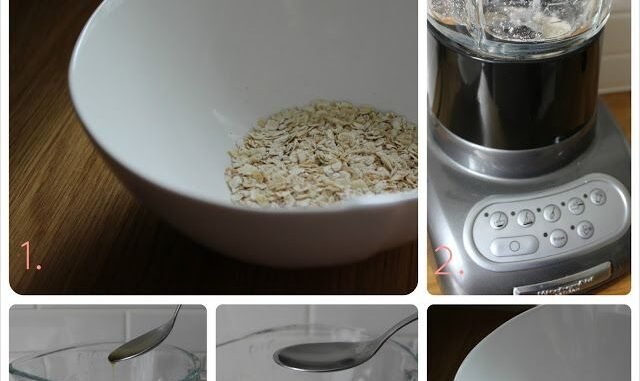
An oatmeal mask is a gentle, time-tested remedy for dry, itchy winter skin, and preparing it at home is wonderfully simple. Mix finely ground oats with warm water, milk, or honey to form a thick paste, then smooth it over your face and leave it for fifteen minutes. Oats contain compounds that calm irritation and form a protective layer that locks in moisture. Rinse with lukewarm water, pat dry, and follow with moisturizer. This mask suits even sensitive skin, because oats are naturally mild and rarely cause reactions. Used once a week, it reduces redness, eases itching, and leaves skin feeling soft and comforted, like a warm hug on a cold day. Grind oats finely in a blender before mixing your mask, because coarse oats can scratch delicate dry skin.

Oatmeal and Honey Mask
Combining oatmeal with honey creates one of the most soothing face masks you can make at home, perfect for winter-dry skin. The oats calm irritation and gently exfoliate, while the honey draws moisture into the skin and holds it there. To make the mask, mix ground oats with a spoonful of honey and a little warm milk until you have a smooth paste, then apply it evenly and relax for fifteen minutes. Rinse with lukewarm water and enjoy skin that feels softer, calmer, and more hydrated immediately. This mask uses ingredients from your kitchen, costs almost nothing, and avoids all the fragrances and preservatives that can irritate sensitive winter skin. It is natural skin care at its simplest and best. Store leftover mask mixture in the fridge for no more than two days, and stir well before using it again.

Leave a Reply