
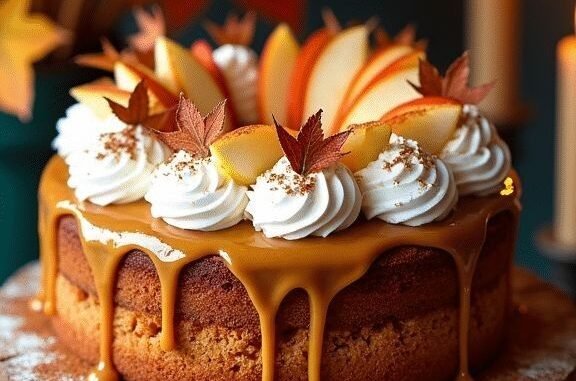
There is a specific kind of happiness that comes from biting into a warm apple cider donut at a fall orchard: the crackle of cinnamon sugar, the tender spiced crumb, the unmistakable tang of reduced apple cider. Apple Cider Donut Cake takes everything you love about that donut and bakes it into a shareable cake, complete with the signature butter-dipped, cinnamon-sugar-coated crust. It is the dessert equivalent of your favorite fall afternoon.
This is not a complicated bake. One bowl, one pan, and a short ingredient list stand between you and a cake that tastes like the orchard came to your kitchen. In this guide, we cover what makes this cake special, how to choose the right cider, the technique behind that donut-like coating, pan options, storage, troubleshooting, and plenty of variations to make it your own.
What Is Apple Cider Donut Cake?
Apple Cider Donut Cake is a spiced apple cake designed to replicate the flavor and texture of an apple cider donut in cake form. The batter is built on reduced apple cider, warm spices like cinnamon and nutmeg, and a moist, tender crumb. After baking, the warm cake is brushed or dipped in melted butter and rolled in cinnamon sugar, creating the crackly, sweet-spiced crust that makes cider donuts irresistible.
Unlike a standard spice cake, the cider is the star here. Reducing it concentrates the apple flavor so it actually comes through in the finished cake rather than disappearing behind the spices. The result walks the line between cake and donut in the best possible way: sturdy enough to slice, tender enough to melt, and coated in the cinnamon sugar that defines the genre.

Why This Cake Tastes Like Fall in Every Bite
Flavor is chemistry, and this cake’s formula is fall in edible form. Reduced apple cider brings concentrated orchard sweetness with a gentle tang. Cinnamon, nutmeg, and a whisper of cloves add the warm spice backbone. Brown sugar deepens everything with molasses notes. And the cinnamon-sugar coating adds textural contrast, a slight crunch giving way to soft crumb, that keeps each bite interesting.
There is also a powerful nostalgia factor. Apple cider donuts are tied to orchard visits, hayrides, and crisp autumn air, so the flavor carries emotional weight before you even taste it. Baking this cake at home captures that feeling on demand. Serve it warm with coffee on a cool morning, and you will understand why it has become a seasonal staple in so many kitchens.

The Key Ingredients (and Why They Matter)
Every ingredient in this cake earns its place. Apple cider, reduced by half, provides the signature flavor. All-purpose flour gives structure; a touch of cornstarch or cake flour can make the crumb even more tender if you like. Brown sugar adds moisture and depth, while granulated sugar in the coating creates the crackle. Eggs bind and enrich, oil or melted butter keeps the crumb moist for days.
Baking powder and baking soda handle the lift, salt sharpens all the flavors, and vanilla rounds the edges. The spices, cinnamon first, supported by nutmeg and a pinch of cloves or allspice, should be fresh; ground spices lose potency after about a year, and this cake depends on them. Taste your cider before reducing it. If it is bland going in, it will be bland coming out, so start with cider you would happily drink.

Choosing the Right Apple Cider
Not all ciders are equal for baking. Look for fresh, unfiltered apple cider, the cloudy kind sold in jugs at orchards and grocery stores in the fall, rather than clear filtered apple juice. Unfiltered cider has more apple solids and a more complex flavor that survives baking. Avoid anything labeled apple juice from concentrate; it is too thin and sweet without the tangy depth you need.
Hard cider is a different product entirely and not what you want here. If fresh cider is unavailable, you can use good-quality cloudy apple juice and reduce it a bit further to concentrate the flavor. Whatever you choose, the reduction step is non-negotiable: simmering the cider until halved drives off water and intensifies the apple character so it stands up to the spices and sugar.

Flour, Leaveners, and the Perfect Crumb
The ideal apple cider donut cake crumb is tender and moist but sturdy enough to handle the butter dip without falling apart. All-purpose flour is the reliable choice. Measure it correctly, spoon into the cup and level off, since packing in extra flour is the fastest route to a dry, dense cake. A teaspoon of cornstarch per cup of flour can add tenderness if you want an extra-soft bite.
Use both baking powder and baking soda: the soda reacts with the acidity of the cider and brown sugar for lift, while the powder provides insurance. Check that both are fresh by testing in water and vinegar respectively; dead leaveners are a common cause of flat, heavy cakes. Mix the batter just until combined. Overmixing develops gluten and turns a tender crumb tough, which no amount of cinnamon sugar can fix.

The Cinnamon-Sugar Coating Secret
The coating is what transforms a good spice cake into an apple cider donut cake. While the cake is still warm, brush the entire surface generously with melted butter, then shower it with cinnamon sugar, pressing gently so it adheres. The warmth melts the sugar slightly, creating a thin, crackly shell that sets as it cools. Every surface should be covered: top, sides, every nook of a bundt’s ridges.
The ratio matters. About a quarter cup of granulated sugar to one or two teaspoons of cinnamon gives the classic flavor; adjust to taste, but do not skimp on the sugar, since the coating should read as distinctly sweet against the spiced crumb. Apply it in two passes for full coverage, and work over a tray to catch the excess. This step is messy and completely worth it.

Equipment You’ll Need
You do not need specialty equipment, but the right pan makes a difference. A bundt pan is the classic choice: its shape maximizes the surface area for the cinnamon-sugar coating and looks beautiful unadorned. A 10- or 12-cup bundt works for a standard recipe. Grease it thoroughly with butter or baking spray, getting into every ridge, since the sugary batter loves to stick.
Beyond the pan, you need a saucepan for reducing the cider, a large mixing bowl, a whisk, a spatula, and a pastry brush for the butter. A wire rack for cooling is important; leaving the cake in the pan too long steams the bottom and softens the coating. Parchment, a kitchen scale for accuracy, and an oven thermometer for temperature truth are the quiet heroes of consistent baking.

Step-by-Step: Mixing the Batter
Start by reducing the cider: simmer one and a half cups down to three-quarters of a cup, then cool it slightly. Whisk the dry ingredients, flour, leaveners, salt, and spices, in a large bowl. In a second bowl, whisk the sugars, eggs, oil or melted butter, vanilla, and the warm reduced cider until smooth. Pour the wet into the dry and fold gently until just combined, with a few small lumps acceptable.
Do not overthink the mixing; this is a humble, forgiving batter. If adding diced apple or apple butter for extra moisture, fold it in at the very end. Pour into the prepared pan and smooth the top. The batter should look thick and fragrant. Give the pan a gentle tap on the counter to release air bubbles, then get it into the preheated oven without delay so the leaveners work at full strength.

Baking to Golden Perfection
Bake at 350°F (175°C) until the cake is deep golden, pulling slightly from the pan edges, and a skewer inserted in the thickest part comes out with moist crumbs but no wet batter. For a bundt, this typically takes 45 to 55 minutes; a loaf or round pan will be faster, so start checking early. Ovens lie, so trust the skewer more than the timer.
Cool the cake in the pan for exactly ten minutes, no longer. Then invert it onto the wire rack. This timing matters: too short and the cake may stick or break; too long and the steam softens the crust you are about to build. While it cools just enough to handle, prepare the melted butter and cinnamon sugar so you can coat the cake while it is still warm, which is essential for adhesion.

The Butter-Dip and Sugar-Roll Method
Here is the signature move. With the cake still warm on the rack, brush every surface with melted butter, working it into the ridges and crevices. Do not be shy; the butter is the glue and much of the flavor. Then, working over a rimmed tray, shower the cake with cinnamon sugar, using your hands to press it gently onto the sides and into the details. Rotate the cake to catch every angle.
Let the coated cake rest for at least twenty minutes so the shell sets. If you spot bare patches, dab on a little more butter and sugar; touch-ups blend invisibly. Some bakers do a second light butter-and-sugar pass for an extra-thick crust. Slice with a serrated knife using a gentle sawing motion to keep the coating intact. The crackle as the knife goes through is the sound of success.

Bundt vs. Loaf vs. Round: Pan Options
The bundt is iconic for this cake, but it is not the only option. A loaf pan produces a sliceable, giftable version that is easier to wrap and share; reduce the baking time to about 40 to 45 minutes and expect a slightly denser crumb. Two 8-inch round pans make a layer cake you can fill with apple butter or frost with cinnamon cream cheese frosting, though you will skip the full coating in favor of frosting.
A tube pan works like a bundt without the decorative ridges, giving you the same high coating-to-crumb ratio. Muffin tins turn the batter into donut-cake muffins, baked in about 18 to 22 minutes and perfect for dipping. Whatever pan you choose, adjust the bake time and keep the coating step; the cinnamon sugar is what makes it a donut cake rather than just a spice cake.

Making It Ahead: Storage Tips
This cake keeps beautifully, which makes it ideal for entertaining. At room temperature, wrapped tightly in plastic wrap or stored in an airtight container, it stays moist for up to three days; the oil-based crumb actually improves on day two as the flavors meld. Keep it away from heat and sunlight, which can make the sugar coating weep.
For the best texture, store it uncut and slice as needed; cut surfaces dry out faster. If the coating softens in humid weather, a brief ten minutes in a warm oven crisps it back up. Do not refrigerate unless your kitchen is very warm; the fridge dries out cake crumb and dulls the spices. Room temperature storage preserves both the crackle and the tenderness.

Freezing Apple Cider Donut Cake
Yes, it freezes well, with one caveat. Freeze the cake uncoated for the best results: cool completely, wrap tightly in two layers of plastic wrap plus a layer of foil, and freeze for up to three months. Thaw overnight at room temperature, then warm it in a low oven and apply the butter and cinnamon-sugar coating fresh. The coating is always best applied to a warm cake.
If you must freeze it coated, wrap it just as carefully and accept that the sugar shell may soften slightly on thawing; a quick warm-up in the oven helps restore it. Freeze individual slices the same way for grab-and-go fall treats. Label with the date, since even well-wrapped cake slowly loses quality, and enjoy the luxury of apple cider donut cake on demand.

Glaze Variations to Try
Once you have mastered the classic cinnamon-sugar coating, the glaze world opens up. A simple apple cider glaze, powdered sugar whisked with reduced cider, drizzled over the cooled cake, gives a sweet-tart finish that doubles down on the apple. A brown butter glaze adds nutty depth that pairs beautifully with the spices.
For something richer, pour warm caramel sauce over each slice when serving; the combination of caramel, apple, and cinnamon is unbeatable. A maple glaze leans into the orchard-breakfast fantasy. You can even split the difference: coat the cake in cinnamon sugar as usual, then drizzle glaze over the top for a bakery-style finish. There is no wrong answer here, only delicious ones.

Apple Butter Filling Idea
For a showstopper version, turn the cake into a filled layer cake. Bake the batter in two round pans, cool completely, then spread a generous layer of apple butter between them. The concentrated apple flavor of the apple butter amplifies the cider notes in the crumb, and the soft filling contrasts beautifully with the tender cake.
You can make apple butter from scratch by slow-cooking apples with cider and spices until thick, or use a good store-bought jar; either works. If you want frosting too, a cinnamon cream cheese frosting on the outside with apple butter in the middle is a combination worth celebrating. Skip the traditional sugar coating on a filled layer cake and let the filling be the star.

Serving Suggestions for Brunch
Apple Cider Donut Cake was born for brunch. Serve thick slices alongside a spread of the season: sharp cheddar, which is the classic New England pairing with apple desserts, fresh apple slices, and a pot of strong coffee. Warm each slice for ten seconds in the microwave or a few minutes in the oven to wake up the cinnamon sugar.
For a crowd, set up a toppings bar with warm caramel sauce, whipped cream, vanilla ice cream, and toasted pecans so guests can dress their slices. The cake also packs beautifully for potlucks and bake sales since it needs no frosting and travels well. However you serve it, slice it thick; this is not a cake that benefits from restraint.

Pairing: Coffee, Cider, and More
The right drink elevates this cake from great to memorable. Hot apple cider, spiked with cinnamon sticks, is the obvious and perfect match, echoing the cake’s own flavors. Coffee is the classic companion; the slight bitterness of a medium roast balances the cake’s sweetness, and a latte’s creaminess plays beautifully with the cinnamon.
For something stronger, a bourbon-spiked cider or an apple brandy cocktail leans into the orchard theme for evening serving. Chai tea’s warm spices harmonize without competing. And for the full nostalgic experience, serve it with cold milk, the way you would eat the donut that inspired it. Whatever you pour, serve the cake slightly warm for maximum effect.

Troubleshooting: Common Baking Issues
If your cake is dry, the usual suspects are overbaking, too much flour, or skipping the cider reduction, which concentrates flavor but also means the recipe’s liquid balance assumes reduced cider. Next time, check for doneness five minutes early and measure flour by spooning and leveling. If the cake is dense or gummy, the batter was likely overmixed or the leaveners were old.
A cake that sticks to the bundt pan usually needed more thorough greasing; use baking spray with flour or butter plus a flour dusting, reaching every ridge. If the coating will not stick, the cake cooled too much before coating; rewarm it gently in the oven first. And if the center sinks, the oven door may have been opened too early or the leavening was overmeasured. Each failure teaches something; the next cake is always better.

Lighter and Dietary Variations
You can lighten this cake without losing its soul. Replace half the oil with unsweetened applesauce to cut fat while boosting apple flavor. Use a sugar substitute blend designed for baking in the batter, though keep real sugar for the coating, since substitutes do not create the same crackle. Whole wheat pastry flour can replace up to half the all-purpose flour for a heartier crumb.
For dairy-free, use a neutral oil instead of butter and brush with melted coconut oil or vegan butter for the coating. A gluten-free one-to-one flour blend works well in this sturdy batter; add an extra egg yolk for richness if the blend is lean. The spices and cider carry so much flavor that these swaps are barely noticeable, especially under that cinnamon-sugar crust.

More Fall Apple Bakes to Try Next
Once this cake has made you the hero of fall, keep the momentum going. Apple cider donuts themselves, fried or baked, are the obvious next project. An apple stack cake with thin spice layers and apple butter between them is a beautiful heritage bake. Apple crisp with an oat topping takes a fraction of the effort for similar cozy rewards.
Consider an apple upside-down cake with caramelized apples, or apple hand pies for portable fall snacking. A spiced apple bread pudding made with leftover donut cake, if you somehow have leftovers, is transcendent. Fall baking season is short, so bake boldly: the orchard flavors you love now will carry you happily toward the holidays.

Apple Cider Donut Cake is proof that the best recipes are often the simplest: good cider, warm spices, a tender crumb, and that irresistible cinnamon-sugar crust. Whether you bake it in a bundt for the classic look or as muffins for easy sharing, it delivers the orchard experience in every bite. Preheat the oven, reduce that cider, and let fall do the rest.
Leave a Reply