
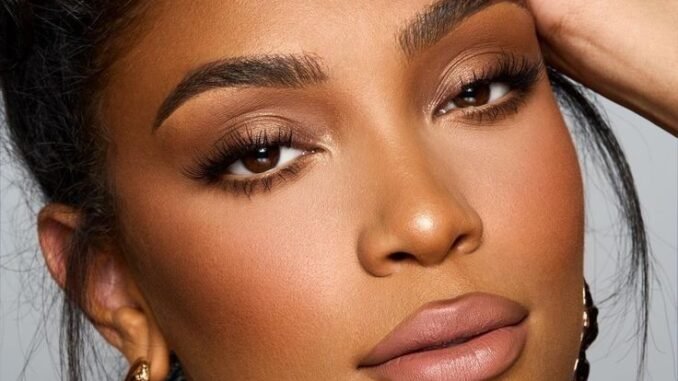
If you have scrolled through beauty feeds lately, you have seen it: skin that glows like it has been kissed by warm milk, eyes washed in soft caramel, cheeks dusted with bronze, and lips that look like the foam on a fresh cappuccino. Latte Makeup is the trend that turned a coffee order into a full-face philosophy, and it shows no signs of fading. Built on creamy browns, warm beiges, milky taupes, and soft caramels, this look flatters nearly every skin tone because it works with warmth your skin already has instead of fighting it.
What makes Latte Makeup so wearable is its restraint. It is not a bold cut crease or a graphic liner moment. It is monochrome warmth done well: one color family, blended until the edges disappear, with strategic glow placed exactly where light would naturally hit. In this guide, we break down everything you need to recreate the look at home, from skin prep and foundation to the bronzer technique that gives the trend its name, plus how to adapt it for fair, medium, olive, and deep skin tones.
What Is Latte Makeup?
Latte Makeup is a monochromatic makeup look built entirely around warm, milky brown tones inspired by the colors of a latte: espresso, caramel, toffee, cream, and foam. Every element of the face, eyes, cheeks, and lips, stays inside that warm neutral family, which creates a seamless, expensive-looking finish. The trend exploded when makeup artists began posting soft brown smoky eyes paired with bronzed skin and glossy nude lips, and it stuck because it is genuinely easy to wear.
Unlike trends that demand precision or bold pigment, Latte Makeup rewards blending. The goal is dimension without harsh lines: deeper browns in the crease and outer corner, mid-tone caramels across the lid, creamy highlights on the inner corner and brow bone, and a wash of bronzer that ties the whole face together. Think of it as the cozy, caffeinated cousin of the clean-girl look, with more warmth and a lot more glow.

Why the Latte Makeup Trend Went Viral
A few things had to line up for Latte Makeup to take over. First, the beauty world was already leaning into skin-first, minimal makeup, and latte tones slot perfectly into that mood. Second, brown is universally flattering in a way black and gray sometimes are not; warm browns soften features instead of sharpening them, which photographs beautifully and looks good in real life too. Third, the look is forgiving. Because everything is blended and monochromatic, small mistakes disappear.
Social media did the rest. Short tutorials made the look feel achievable in under fifteen minutes, and the aesthetic, warm lighting, creamy textures, coffee cups in frame, was instantly recognizable. It also travels well across seasons: sheer it out for summer, deepen it for fall, add shimmer for the holidays. Few trends offer that kind of range, which is why this one earned a permanent spot in the rotation rather than a brief moment.

The Latte Color Palette: Shades You Need
Before you buy anything, understand the palette. Latte Makeup lives in five shade families: deep espresso (for definition), milk-chocolate brown (for depth), caramel (the workhorse mid-tone), toffee or beige (for transition), and cream or vanilla (for highlight). Your exact shades shift with your skin tone, but the relationships stay the same: deepest at the lash line and outer corner, lightest at the inner corner and high points.
You do not need a dedicated palette, though several brands now sell them. A warm neutral eyeshadow palette, a bronzer you already own, and a brown-toned lip product can get you most of the way there. The trick is undertone discipline: keep everything warm. A cool taupe or gray-brown will break the spell instantly, so when in doubt, swatch and compare. If a shade looks chocolatey and inviting next to your skin, it belongs. If it looks ashy, set it aside for another day.

Prepping Your Skin for a Flawless Base
Latte Makeup is a glow-forward look, and glow starts with prep, not product. Begin with a gentle cleanse, then layer hydration: a hydrating toner or essence, a lightweight moisturizer suited to your skin type, and sunscreen if it is daytime. Well-hydrated skin makes foundation melt in instead of sitting on top, which is the difference between luminous and greasy.
Primer is optional but useful if you have texture or enlarged pores; choose a hydrating or blurring formula rather than a mattifying one, since the goal is radiance. Give each layer a minute to absorb before moving on. Rushing this step is the most common reason a latte base looks patchy by noon. If your skin is very oily, you can still get the glow, just press a small amount of translucent powder through the T-zone after foundation and leave the perimeter luminous.

Choosing the Right Foundation Finish
For Latte Makeup, finish matters more than coverage. Reach for a satin or natural-radiant foundation, or a skin tint if you prefer sheerness. Full-coverage matte foundations fight the aesthetic; the look needs skin to read as skin, just more even and more lit from within. Apply with a damp sponge in thin layers, building only where you need it, typically the center of the face.
Shade matching deserves care: a foundation that runs too light or too pink will clash with all the warmth you are about to add. Match to your jawline in natural light, and remember that bronzer will deepen the perimeter, so your base shade should be your true match, not a shade darker. If you are between shades, go with the closer match and let bronzer do the warming. Less base product also means your bronzer and blush blend more seamlessly on top.

Concealer Placement for a Lifted Look
With Latte Makeup, concealer does quiet work. Choose a shade one step lighter than your foundation with a warm or neutral undertone, never pink, and apply it sparingly: inner and outer corners of the under-eye, a touch at the sides of the nose, and a small amount on any blemishes. The latte aesthetic does not want a stark, bright triangle under the eyes; it wants everything to look rested and seamless.
Blend with a damp sponge using a pressing motion, then set only where you crease, usually with a whisper of finely milled powder pressed in with a puff. Skip baking; heavy powder under the eyes kills the creamy finish this look depends on. If you need more coverage, layer a second thin pass of concealer rather than reaching for a thicker formula. Thin layers always photograph more naturally, which matters for a trend born on camera.

Bronzer: The Heart of Latte Makeup
If one product defines this trend, it is bronzer. Choose a warm, golden-brown bronzer, matte or satin, and apply it generously compared to your normal routine: across the forehead near the hairline, down the temples, under the cheekbones, along the jawline, and lightly down the sides of the nose. Then take what is left on the brush across the eyelids as a base. This is what makes the whole face feel like one continuous wash of warmth.
The application technique matters as much as the shade. Use a large, fluffy brush and build in sheer layers, blending until there are no visible edges. Cream bronzers give the most skin-like finish and are worth trying if you have only ever used powder; they melt into foundation beautifully. Whatever formula you choose, step back from the mirror and check in natural light. Bronzer that looks perfect in bathroom lighting can read muddy in daylight, and blending is the fix nearly every time.

Blush Shades That Melt Into the Look
Blush in a latte routine should look like warmth rising from within, not a separate stripe of color. Reach for terracotta, warm peach, cinnamon, or brownish-rose shades, and apply them slightly higher than you might expect, on the upper cheek, blending back toward the temple and into the bronzer. This placement lifts the face and keeps the color story cohesive.
Cream blushes are the natural partner here because they fuse with the bronzed base instead of sitting on top of it. Smile lightly, tap color onto the apples, and blend upward; the edges should dissolve into the surrounding warmth. If you accidentally apply too much, do not add more foundation over it. Instead, press a clean damp sponge over the area to sheer it out. The goal is a latte with a little extra foam, not a separate pink drink entirely.

Latte Eyeshadow: Building Warm Dimension
The eyes are where the latte metaphor becomes literal. Start by sweeping a toffee transition shade through the crease with a fluffy brush, then deepen the outer third with a milk-chocolate brown, blending the two until the gradient is seamless. Pat a shimmery caramel or champagne-brown onto the center of the lid for light play, and press a creamy vanilla shade into the inner corner and under the brow bone.
Take the same deep brown along the lower lash line with a small pencil brush and smudge it softly; this frames the eye without the severity of black. The most common mistake is stopping at the lid and leaving the lower lash line bare, which makes the look feel top-heavy. Balance is everything. If you want extra intensity for evening, deepen the outer corner with a touch of espresso and add a second layer of shimmer to the lid center.

Eyeliner Techniques for Soft Definition
Latte Makeup and harsh black liner are not friends. Instead, define the eyes with dark brown: tightline the upper waterline to make lashes look fuller, then smudge a brown pencil or eyeshadow along the upper lash line, keeping the line soft and slightly diffused. A small wing is fine, but keep it short and smoky rather than sharp and graphic.
For a particularly soft effect, skip pencil on the lid entirely and use an angled brush with dark brown eyeshadow, pressing it into the lash line. The result reads as definition rather than liner, which suits the blended ethos of the look. Brown liner on the lower waterline can close off the eyes, so if you want lower definition, stick to smudged shadow on the lower lash line and leave the waterline bare. Soft, smoky, and seamless is the brief.

Mascara and Lashes for a Doe-Eyed Finish
Warm brown mascara is the insider choice for Latte Makeup. It defines lashes without the contrast shock of black, keeping the whole eye story in the same color family. Curl lashes first, then apply two coats, wiggling at the base to build volume. If brown mascara is hard to find, a soft black works, but avoid anything labeled ultra-black or carbon, which reads too severe against all that caramel.
False lashes can work if you keep them wispy and natural; a heavy strip lash will overpower the softness you have built. Individual clusters at the outer corner give a lifted, doe-eyed effect without a visible band. Whatever you choose, make sure lower lashes get at least one light coat. Defined lower lashes open up the eyes and complete the balanced, wide-awake finish that makes latte eyes so appealing in photos.

Brows That Frame a Latte Face
Brows in a latte look should be groomed but not harsh. Brush them up with a tinted brow gel in a shade that matches your hair, filling only sparse areas with light, hair-like strokes. The trend favors a soft, fluffy brow over an overly sculpted one; strong, drawn-on brows compete with the diffused warmth everywhere else.
If your brows are naturally dark and full, you may need nothing more than clear gel to set them. If they are sparse, use a pencil one shade lighter than your hair color and keep strokes feathery, especially at the front. Step back and check symmetry, but do not chase perfection. Slightly natural, lived-in brows suit this aesthetic far better than identical stamped arches.

Latte Lips: Nudes, Browns, and Glosses
Lips complete the monochrome story. Line them with a brown or caramel lip liner, slightly overlining the cupid’s bow and center of the lower lip if you want fullness, then fill with a nude-brown lipstick or a caramel gloss. The signature latte lip has dimension: deeper at the edges, lighter and glossier in the center, like the gradient in an actual latte.
For the easiest version, skip liner and apply a brown-toned gloss straight from the tube, then blot the edges softly with a fingertip. Matte brown lipstick can work for evening, but it demands precise application and can look dry against all the glow elsewhere, so pair it with well-exfoliated, balmed lips. Whatever formula you choose, keep the undertone warm; a cool mauve nude will look disconnected from the rest of the face.

Highlighter: Where to Add the Glow
Highlighter in Latte Makeup should look like light, not glitter. Choose a champagne or warm gold shade with a fine, creamy shimmer, and place it where the sun would hit: the tops of the cheekbones, the bridge of the nose, the cupid’s bow, and a touch on the brow bone. Blend the edges so it melts into the bronzed skin rather than sitting on top as a stripe.
Liquid and cream highlighters give the most natural finish for this look; powder highlighters with chunky glitter read frosty and break the creamy illusion. A useful trick is to mix a drop of liquid highlighter into your foundation for an all-over lit effect, then add targeted highlighter only on the highest points. Less is more here; the bronzer already provides warmth, so the highlighter just needs to suggest luminosity.

Setting Your Makeup to Last All Day
All that cream and glow needs locking in, or it will slide by afternoon. The key is strategic setting: press a finely milled translucent powder only through the T-zone and under the eyes, leaving the cheeks and perimeter luminous. Then mist with a setting spray, holding the bottle at arm’s length and applying two light layers, letting the first dry before the second.
Choose a setting spray labeled dewy or luminous rather than matte; a matte spray will flatten the glow you worked to build. For touch-ups, carry blotting papers instead of powder. Blot away excess oil, then press a tiny amount of cream blush or gloss back onto the lips. This refreshes the look without adding layers of powder that dull the finish. Done right, latte makeup should still look creamy and seamless eight hours in.

Latte Makeup for Fair Skin Tones
Fair skin can absolutely wear Latte Makeup; the palette just shifts lighter. Use toffee and light caramel as your deepest tones instead of espresso, and choose a bronzer that is only one or two shades deeper than your skin. The most common error on fair skin is going too dark too fast, which reads muddy rather than bronzed. Build slowly and blend constantly.
For eyes, keep the crease shade in the medium-brown range and let the shimmery lid shade do the talking. On lips, milky nudes and light caramel glosses suit fair skin better than deep chocolate. And be generous with the cream highlight shade on the inner corner; it brightens fair eyes beautifully. The result should look like a sheer wash of warmth, like sunlight through a latte glass, not a deep roast.

Latte Makeup for Medium and Olive Skin
Medium and olive skin tones are the natural home of Latte Makeup, since the warm browns echo undertones already present in the skin. You can wear the full depth range, from caramel lids to espresso outer corners, and golden-bronze highlighters will look seamless. Olive skin in particular benefits from keeping blush in the terracotta family, which harmonizes with green-golden undertones instead of fighting them.
One caution: some bronzers run orange on olive skin. Test on the jawline and check in daylight; if it pulls orange, switch to a more neutral golden-brown. For lips, toffee and milk-chocolate shades are incredibly flattering. This skin tone range can also handle a slightly deeper smoky version for evening without the look feeling heavy, since the warmth is already native to the complexion.

Latte Makeup for Deep Skin Tones
On deep skin, Latte Makeup becomes rich and dimensional. Espresso and dark chocolate become your transition shades rather than your deepest tones, and you will want to go deeper still, think dark roast, for the outer corner and lash line. Bronzers should be rich and golden; anything too light will look ashy. Look for formulas explicitly made for deep skin, which have the pigment load to actually show up.
Shimmer shades truly shine here: copper, bronze, and gold lid shades look molten against deep skin. For the highlight step, warm golds and bronze-golds outperform champagne, which can look chalky. Lips in deep chocolate, espresso gloss, or caramel layered over a brown liner are stunning. The latte metaphor scales beautifully; it just becomes a darker, richer roast, and the glow payoff is extraordinary.

Day-to-Night: Taking Latte Makeup Out
One of Latte Makeup’s best qualities is how easily it transitions. For daytime, keep everything sheer: skin tint, cream bronzer, a wash of caramel shadow, gloss. It reads polished but effortless. When evening comes, you do not need to start over. Deepen the outer corner with espresso shadow, add a second layer of shimmer to the lid center, and intensify the liner.
Swap the daytime gloss for a deeper brown lipstick or layer a chocolate liner under your gloss for richness. Add a touch more highlighter to the cheekbones and inner corners, since evening light swallows glow. Dust a little extra bronzer along the hairline for warmth in photos. In five minutes, the same face goes from coffee run to dinner out, which is exactly why this trend earned its staying power.

Common Latte Makeup Mistakes to Avoid
The biggest mistake is cool undertones sneaking in: a gray-based contour, an ashy taupe shadow, or a mauve lipstick will fracture the warm monochrome story. Audit every product in natural light before you begin. The second mistake is under-blending; latte edges should be invisible, so when you think you are done blending, blend a little more with a clean fluffy brush.
Third, do not skip the lower lash line; bare lower lashes make the look top-heavy. Fourth, resist over-powdering, which kills the creamy finish the trend is built on. And finally, match your bronzer depth to your skin tone rather than copying a tutorial shade for shade; bronzer two shades too deep is the fastest way to look muddy instead of latte-smooth. Get the warmth, the blending, and the glow right, and the look practically applies itself.

Latte Makeup endures because it is more than a trend; it is a flattering, forgiving approach to warm neutrals that works across skin tones, ages, and occasions. Master the bronzer placement, keep every undertone warm, blend until the edges vanish, and finish with glossy caramel lips, and you will have a look that feels both current and timeless. Pour yourself a real latte, and enjoy the glow.
Leave a Reply