
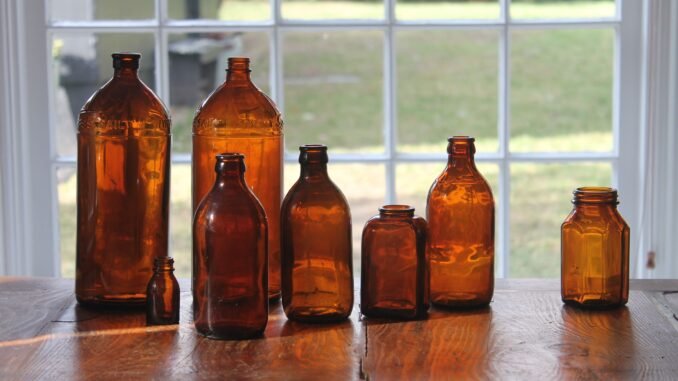
There is a reason amber glass keeps showing up on styled shelves, wedding tables, and Pinterest boards year after year. It catches the light like honey, warms up any corner it lands in, and pairs with just about every decorating style — from farmhouse to mid-century modern to minimalist. Whether you thrift a single amber bottle for a few dollars or build an entire collection, this humble material has a way of making a home feel intentional, layered, and alive. This guide walks you through everything: what amber glass is, the best pieces to collect, how to style them room by room, where to find them, and how to care for them so they glow for years.
Why Amber Glass Belongs in Every Home
Few materials do as much decorating work for as little money as amber glass. A single bottle can anchor a bookshelf, soften a windowsill, or turn a forgettable corner into a moment. Its warm honey-brown tone works like a neutral with personality — it plays nicely with whites and creams, grounds bold colors, and adds instant depth to flat, monochrome rooms. Unlike trendy decor that dates fast, amber glass has genuine staying power: it has been beloved in apothecaries, kitchens, and parlors for well over a century, and it never really leaves the spotlight. It also transitions effortlessly through the seasons. In spring and summer it reads fresh and botanical next to greenery; in fall and winter it glows with candlelight and pairs beautifully with pumpkins, pinecones, and evergreens. If you are decorating on a budget, this is one of the smartest places to start — thrift stores and flea markets are full of amber pieces waiting for a second life.

What Exactly Is Amber Glass?
Amber glass gets its rich golden-brown color from iron, sulfur, and carbon added to the glass during manufacturing. The result is a material that filters out ultraviolet light — which is why it was historically used for medicine bottles, beer bottles, and apothecary jars meant to protect their contents. That same filtering property is what gives amber glass its famous glow: light passing through it takes on a warm, honeyed cast that flatters everything around it. You will see it described under many names — amber, honey, cognac, caramel, topaz, and root beer glass all belong to the same family, ranging from pale golden tones to deep, nearly brown shades. Vintage pieces were often mouth-blown, which means tiny bubbles, slight asymmetries, and wavy surfaces that catch light in beautiful, unpredictable ways. Modern reproductions are smoother and more uniform, but they still deliver the warmth that makes the material so beloved.

Amber Bottles: The Iconic Starter Piece
If you are new to amber glass decor, start with bottles. They are the most recognizable form, the easiest to find, and endlessly versatile. Medicine bottles, whiskey bottles, apothecary bottles, and old soda bottles all share the same warm glow but bring different shapes and histories to your shelves. Group them in odd numbers — threes and fives look natural and collected rather than staged. Vary the heights so the arrangement has rhythm: one tall bottle anchoring the back, medium ones in the middle, and a small squat bottle up front. Leave some empty and let the glass speak for itself, or fill a few with dried stems, pampas grass, or a single eucalyptus branch. Bottles also make wonderful transitional pieces: they look equally at home in a rustic farmhouse kitchen, a moody home office, or a sleek modern entryway. Once you start noticing them, you will see them everywhere — and most cost less than a cup of coffee at a flea market.

Apothecary Jars for Pretty, Practical Storage
Amber apothecary jars are where beauty meets function. With their wide mouths and fitted lids, they are perfect for storing the everyday items you would rather not hide in plastic: cotton balls and bath salts in the bathroom, pasta and dried beans in the kitchen, buttons and ribbons in a craft room. Because the glass is tinted, contents stay slightly veiled, which keeps open shelving looking tidy even when the jars are full. For the prettiest effect, line up jars in graduated sizes on a single shelf — the repetition of the amber tone creates a rhythm that reads as intentional rather than cluttered. Keep lids on for a polished look, or remove one or two lids and tuck in a sprig of dried lavender for a softer, more casual feel. Vintage apothecary jars often have ground-glass stoppers or bakelite lids; modern versions come with airtight seals that actually keep food fresh. Either way, they turn storage into a design statement.

Bud Vases That Punch Above Their Price
Bud vases might be the best value in all of amber glass decor. These small, single-stem vessels cost almost nothing — you can often find them for a dollar or two — yet they bring a disproportionate amount of charm to a room. Place one on a nightstand with a single rose, line three up along a dining table runner, or tuck one onto a bathroom tray beside the soap dispenser. Their small scale makes them ideal for spots that are too tight for a full bouquet: windowsills, desk corners, open kitchen shelves, and mantels. Amber bud vases are particularly magical because the colored glass makes even a humble stem look deliberate — a sprig of grocery-store greenery suddenly reads as a styling choice. Buy them in sets of matching or complementary shapes, and keep a few empties on hand; an empty amber bud vase still looks like decor, which is more than you can say for most vases.

Build a Shelf-Worthy Vase Collection
Once you have a few pieces, consider building a real collection — a curated grouping of amber vases in different shapes, sizes, and tones. The secret to a collection that looks designed rather than accidental is variation within a theme: keep the color family consistent (all ambers, from pale honey to deep cognac) but vary everything else. Mix tall and short, round and square, ribbed and smooth, vintage and new. A square decanter-style bottle next to a round demijohn and a slim bud vase creates visual interest that a row of identical pieces never will. Display your collection on a dedicated shelf, a sideboard, or the top of a bookcase where it can be appreciated as a whole. Backlighting is your best friend here — a shelf near a window or above a lamp lets light pass through the glass and turns the whole collection into a glowing focal point. Rotate pieces seasonally: bring out the deep, moody browns for fall and the lighter honey tones for spring.

Style Bottles with Stems and Greenery
Amber glass and botanicals are a natural pairing. The warm brown tone makes greens look greener and whites look crisper, so even the simplest arrangement feels elevated. For everyday styling, you cannot go wrong with eucalyptus: its silvery-green leaves and relaxed drape contrast beautifully with structured glass. Pampas grass and dried wheat bring height and texture for a boho or fall look, while a single sculptural branch — curly willow, forsythia, or cherry blossom — turns a tall bottle into a statement. The trick is proportion: stems should be roughly one and a half to two times the height of the vessel. Cut grocery-store flowers shorter than you think; in amber glass, a tight, low arrangement often looks more expensive than a sprawling one. And do not overlook dried and faux botanicals — in tinted glass, where stems are partially obscured, high-quality dried flowers are nearly indistinguishable from fresh and last for months.

Create Vintage-Inspired Vignettes
Amber glass shines brightest in a vignette — a small, styled grouping that tells a story. Think of it as a still life you get to live with. Start with an amber bottle or two as your anchor, then layer in objects with different textures: a weathered wooden spool, a stack of old books, a feather, a small framed print, a piece of lace or linen. The magic number is three to five objects, arranged so the tallest sits at the back and the eye can travel naturally across the group. Vignettes work on mantels, console tables, dresser tops, and open shelves — anywhere with a bit of breathing room. Let the amber glass be the warm note that ties cooler or more neutral objects together. A blue-and-white china plate, a black-and-white photograph, or a cool gray candle all look richer sitting next to glowing amber. Change one or two elements with the seasons — swap the feather for a pinecone, the books for a pumpkin — and the vignette feels fresh all year.

Candlelight and Amber Glass: A Match Made in Heaven
Few things are prettier than candlelight filtered through amber glass. The tint deepens the flame’s glow into something rich and golden, casting warm pools of light that make any room feel intimate. Use amber glass candle holders — votives, hurricanes, and lanterns — on dining tables, mantels, and bathroom counters for instant atmosphere. For a wedding-worthy look at home, cluster pillar candles inside and around amber bottles of varying heights on a wooden tray or board; the mix of glass and flame is effortlessly romantic. Safety matters here: always keep open flames away from dried botanicals, curtains, and anything flammable, and never leave candles burning unattended. If you have kids or pets, flameless LED candles inside amber glass give you nearly the same glow with zero risk — the tinted glass hides the artificial flame surprisingly well. Either way, amber glass turns ordinary candlelight into an event.

Amber Glass Lighting That Sets the Mood
Beyond candles, amber glass makes extraordinary lighting. Vintage table lamps with amber glass bases — swirled, ribbed, or optic-patterned — throw a warm, flattering light that overhead fixtures simply cannot match. They are perfect for living rooms, bedrooms, and reading corners where you want coziness rather than brightness. Amber glass pendant lights and sconces are having a moment too, bringing that same honeyed glow to kitchens and dining rooms in a more modern silhouette. When shopping for amber lighting, look for pieces where the glass is the star: a simple brass or black metal frame lets the amber do all the visual work. Pair amber lamps with warm-white bulbs (2700K or lower) to enhance the effect; cool daylight bulbs fight the warmth and flatten the glow. One amber lamp on a side table can change the entire feel of a room after dark — it is one of the highest-impact, lowest-effort upgrades you can make.

The Living Room: Coffee Tables and Display Styling
In the living room, amber glass works hardest on the surfaces you look at most: the coffee table, the mantel, and open shelving. A tray on the coffee table is the easiest starting point — corral two or three amber bottles, a candle, and a small stack of books on a wooden or rattan tray and you have an instant centerpiece that still leaves room for feet and remotes. On the mantel, flank a mirror or artwork with graduated amber bottles for symmetry, or go asymmetric with a cluster on one side balanced by a plant on the other. If you have open shelves, dedicate one shelf to your amber collection and let it glow against the wall. For a bolder move, amber glass furniture — like a coffee table with an amber-tinted top — brings the warmth at a larger scale and pairs beautifully with brass legs, marble, and neutral upholstery. Keep the rest of the room’s palette calm and let the amber be the warmth.

Warm, Earthy Kitchens with Amber Glass
Kitchens can feel cold and hard with all their stainless steel and stone — amber glass is the antidote. Line a row of amber canisters along the backsplash for dry goods like flour, sugar, coffee, and pasta; the uniform color keeps open storage looking cohesive while the contents stay visible enough to be practical. A cluster of amber bottles on a windowsill above the sink turns dish duty into something almost pleasant, especially when afternoon sun streams through them. Use a large amber demijohn or carboy as a floor vase in an empty kitchen corner, filled with tall branches for drama. Even small touches count: an amber soap dispenser or a bud vase with fresh herbs by the stove adds warmth exactly where the room needs it. In the kitchen, stick to food-safe, lead-free glass for anything that touches food or drink, and keep amber pieces a safe distance from direct stovetop heat.

Amber Glass in the Dining Room: Tableware and Centerpieces
The dining room is where amber glass truly shows off. Amber-tinted wine glasses, water goblets, and tumblers turn an everyday table setting into something special — they catch candlelight beautifully and make even tap water look intentional. You do not need a full set to start; a set of four amber wine glasses mixed with clear glassware creates a collected, eclectic look that feels more personal than a matched set. For centerpieces, run a low line of amber bottles down the middle of the table, mixing heights and tucking in eucalyptus or olive branches between them. This kind of runner-style centerpiece works for both casual family dinners and formal holidays because it is low enough for conversation to flow across the table. For Thanksgiving and Christmas, add metallic accents — brass candlesticks, gold flatware — and the amber will pick up those warm tones and glow even richer.

Bedrooms, Baths, and Cozy Corners
Smaller, more private rooms are perfect for amber glass because the material’s warmth feels personal and calming. In the bedroom, a single amber bud vase on the nightstand — with a fresh stem or nothing at all — adds a soft, romantic note without clutter. On a dresser, group two or three apothecary jars to hold jewelry, hair ties, or cotton pads; they keep small things organized while looking like decor. Bathrooms benefit enormously: amber glass dispensers, jars, and bud vases turn a utilitarian space into a spa-like retreat, and the tinted glass hides water spots and product labels that would otherwise look messy. In a reading nook or home office, an amber bottle on the desk or a small lamp with an amber base makes the corner feel intentional and inviting. The rule for private rooms is restraint — one or two amber pieces per surface keeps the effect serene rather than busy.

Seasonal Styling: Fall Through Winter
Amber glass was practically made for autumn. Its honey and caramel tones echo falling leaves, pumpkins, and harvest palettes without a single orange plastic pumpkin in sight. For fall, fill amber bottles with wheat stalks, dried hydrangeas in rust and burgundy, or branches of colorful leaves. Cluster them with mini pumpkins, pinecones, and warm plaid textiles on mantels and entry tables. As the holidays approach, the same pieces transition seamlessly: swap the wheat for evergreen sprigs, red berries, or dried orange slices, and add fairy lights or candles for a festive glow. One of the most economical fall crafts is painting clear mason jars in amber, mustard, and burgundy tones — a coat of translucent glass paint gives you the amber look for pennies. Come spring, lighten the mood again: pair your amber pieces with fresh tulips, pastel blooms, and airy linens, and they will feel completely new.

Wedding and Event Centerpieces
Event planners have loved amber glass for years, and for good reason: it photographs beautifully, suits nearly any color palette, and costs a fraction of fresh floral installations. For weddings, the classic look is a cluster of amber bottles in varying heights down the center of each table, each holding a few loose stems — roses, ranunculus, eucalyptus, and wildflowers all shine against the warm glass. Add a table number tucked among the bottles and a few votive candles, and you have a centerpiece that looks expensive but can be assembled for a few dollars per table. Amber bottles also work for showers, engagement parties, and milestone birthdays; the styling barely needs to change, just the flowers. After the event, the bottles double as favors or home decor, so nothing goes to waste. If you are planning a wedding, start collecting bottles months ahead from thrift stores and ask friends to save interesting ones — you will be amazed how quickly a collection grows.

Dressed-Up Bottles for Parties and Holidays
Plain amber bottles are lovely, but dressed-up bottles are unforgettable. For parties and holidays, take your amber glass one step further with simple embellishments. Wrap bottle necks with twine or velvet ribbon, tie on a kraft-paper gift tag with a guest’s name for place cards, or stencil a monogram or date onto the glass with chalk paint for weddings and anniversaries. Dried flower collars — small wreaths of preserved blooms wired around the bottle’s shoulder — turn a simple bottle into a showpiece for fall and winter tables. For Christmas, nestle amber bottles among evergreen garlands with fairy lights woven through; the glass will catch every twinkle. The key is to keep embellishments removable or minimal if you want to reuse the bottles year-round. A ribbon unties, a tag lifts off, but the amber glass underneath stays timeless — ready for its next transformation.

Mixing Amber Glass with Wood, Brass, and Textiles
Amber glass rarely stands alone — its real power shows in how it plays with other materials. Wood is its best friend: the organic grain of oak, walnut, or reclaimed barn wood echoes the warmth of the glass, whether it is a rustic shelf, a live-edge tray, or a weathered table. Brass and gold metals pick up the honeyed tones and add a touch of polish; try amber bottles beside brass candlesticks or a gold-framed mirror. For textiles, lean into natural fibers — linen, jute, wool, and cotton in creams, taupes, and soft whites let the amber be the star. Greenery is the finishing touch: trailing pothos, a fiddle-leaf fig, or simple eucalyptus stems bring life and contrast that makes the glass glow brighter by comparison. Avoid pairing amber with too many competing warm tones at once — one warm metal plus wood plus amber is plenty; add black or deep green for grounding and contrast.

Where to Buy (and How to Thrift) Amber Glass
You can find amber glass almost everywhere once you start looking. For new pieces, home decor retailers, craft stores, and online marketplaces carry everything from bud vase sets to apothecary jars to amber table lamps at very reasonable prices. Estate sales, flea markets, and thrift stores are the treasure hunters’ route: vintage amber bottles often sell for one to three dollars, and you will find shapes and patinas that no modern reproduction offers. When thrifting, check for chips around rims and bases, hold bottles up to the light to check for cracks, and give everything a good sniff — old bottles can harbor musty odors that need soaking to remove. Antique shops and architectural salvage yards are worth a visit for larger statement pieces like demijohns and carboys. Online, search terms like “amber apothecary bottle,” “vintage amber vase,” and “amber glass demijohn” to find sellers. And do not forget your own recycling bin: interesting amber bottles from beverages can be cleaned and repurposed as vases for free.

Cleaning, Care, and Styling Mistakes to Avoid
Amber glass is low-maintenance, but a few habits keep it glowing. Wash new pieces in warm, soapy water before first use, and soak thrifted bottles overnight with a denture tablet or a vinegar-and-rice shake to remove residue and odors. For narrow necks, a bottle brush is essential; for cloudy buildup, a soak in white vinegar usually does the trick. Avoid abrasive scrubbers that can scratch the surface and dull the shine. When styling, the most common mistake is overcrowding — amber glass needs light and breathing room to glow, so resist the urge to fill every inch of a shelf. Another pitfall is mixing too many glass colors; amber pairs beautifully with clear glass and green glass, but a rainbow of tints quickly looks chaotic. Keep amber away from prolonged direct harsh sun if it holds anything light-sensitive, and never put thin vintage glass in the dishwasher or microwave. With basic care, amber glass lasts generations — which is exactly why so much of it is still with us.

Amber glass decor proves that the most impactful decorating choices are often the simplest. A thrifted bottle on a windowsill, a cluster of bud vases on a table, a glowing lamp in a dark corner — these small, warm touches add up to a home that feels collected, cozy, and unmistakably yours. Start with one piece that catches your eye, style it with intention, and let your collection grow naturally from there. Before long, you will be the person friends ask about when they want their own shelves to glow. Happy decorating — and happy hunting.
Leave a Reply