
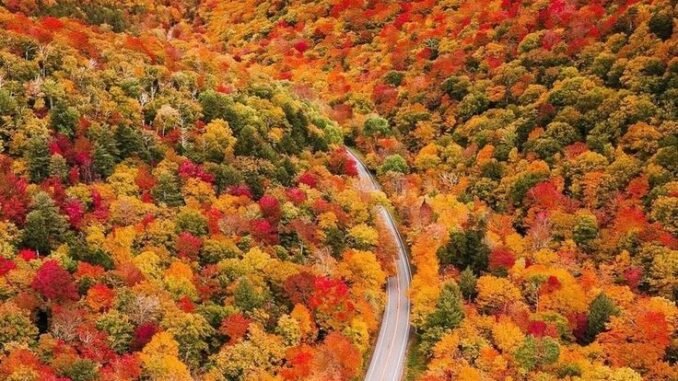
Every October, something extraordinary happens to the American landscape: millions of acres of forest ignite in color, and the best seat in the house is behind the wheel of your car. A fall foliage road trip is part scenic drive, part treasure hunt — you are chasing a moving target of peak color across mountains, valleys, and small towns dressed in their autumn best. Unlike a beach vacation or a city break, this trip rewards slowing down: the overlooks, the farm stands, the covered bridges, and the pie shops are the destination as much as the route itself. This guide is your complete companion to planning the perfect fall foliage road trip — when to go, where the color is most spectacular, how to photograph it, what to pack, and the cozy stops that turn a drive into a memory. Roll the windows down, queue up a good playlist, and let’s go leaf-peeping.
Why Autumn Is America’s Best Road Trip Season
Summer road trips get the glory, but fall is the connoisseur’s choice. The crowds have thinned, the heat has broken, and hotel rates drop from their summer peaks — yet the scenery is at its absolute most dramatic. Crisp air makes driving pleasant, and the low-angled autumn light turns every overlook into a photographer’s dream. Fall is also harvest season, which means farm stands overflow with apples, pumpkins, and cider donuts, and small towns host festivals celebrating everything from foliage to maple syrup. Bugs are gone, humidity is gone, and the hiking is at its best on trails carpeted with leaves. There is a psychological bonus too: autumn carries a built-in sense of occasion, a last hurrah before winter, that makes even an ordinary weekend drive feel special. If you have only ever road-tripped in summer, one October drive will convert you for life.

Understanding the Science of Fall Color
Knowing a little leaf science makes you a better leaf-peeper. All summer, green chlorophyll dominates leaves, masking other pigments. As days shorten and nights cool, trees seal off their leaves and chlorophyll drains away, revealing carotenoids — the yellows and oranges — that were there all along. The brilliant reds and purples come from anthocyanins, which trees actively produce in autumn, and their intensity depends on weather: sunny days and cool (not freezing) nights produce the most vivid reds. Drought dulls color; a wet growing season followed by a crisp autumn is the recipe for a spectacular show. Different species peak at different times and in different hues — maples flame red and orange, aspens and birches turn pure gold, oaks go deep russet. Understanding this helps you read a landscape: a hillside of mixed species gives you the longest, most varied display.

When to Go: Timing Your Trip to Peak Color
Timing is everything, and peak color is a moving target that sweeps from north to south and from high elevation to low. In northern New England and the Upper Midwest, peak typically arrives in late September to early October; the mid-Atlantic and Blue Ridge Mountains peak mid-to-late October; the South and lower elevations often hold color into early November. Elevation matters as much as latitude — mountain ridges peak up to two weeks before the valleys below them. Check regional foliage trackers before you commit: state tourism sites and the Smoky Mountains fall color forecast update weekly with surprising accuracy. Build flexibility into your plan if you can — a route that climbs in elevation lets you chase the color band even if your timing is slightly off. And remember that “peak” lasts roughly a week in any given spot, with the days just before and after still gorgeous.

New England: The Classic Foliage Route
No fall foliage road trip list is complete without New England, the region that wrote the book on autumn. The classic route winds through Vermont’s Route 100, past white-steepled villages and covered bridges framed by sugar maples in full flame. New Hampshire’s Kancamagus Highway climbs through the White Mountains with overlook after overlook of valley-wide color. In Maine, the drive along Route 1 combines coastal scenery with inland forests, and Acadia National Park pairs foliage with ocean views. Massachusetts offers the Mohawk Trail through the Berkshires, dotted with farm stands and cider mills. Go on weekdays if possible — October weekends bring serious traffic. Stay in a country inn, eat apple cider donuts warm from the fryer, and do not rush: New England rewards the traveler who stops at every scenic pullout and general store.

The Blue Ridge Parkway: America’s Favorite Drive
Stretching 469 miles through Virginia and North Carolina, the Blue Ridge Parkway is purpose-built for slow scenic driving, and in October it becomes a 469-mile tunnel of color. The parkway’s genius is its design: no commercial traffic, a 45 mph speed limit, and more than 200 overlooks engineered for the perfect view. Peak color typically hits the highest elevations around mid-October and rolls downhill through the month. Must-stop highlights include Mabry Mill, Linville Falls, Craggy Gardens, and the stretch near Asheville where the color seems to go on forever. Pair the drive with the Biltmore Estate, where the gardens and grounds glow in autumn, and with the mountain towns of Blowing Rock and Boone. Allow at least three days — this is a drive to savor, not to rush, and every mile in October earns its reputation.

The Great Lakes: Water, Wine, and Color
The Great Lakes region offers a foliage experience with a twist: brilliant color reflected in enormous freshwater seas. Michigan’s Upper Peninsula is the crown jewel — the drive along M-28 and through Pictured Rocks country pairs flaming maples with Lake Superior’s moody blue. In the Lower Peninsula, the Tunnel of Trees on M-119 near Harbor Springs is one of America’s most beloved autumn drives, a narrow canopy road through hardwoods at peak color. Door County, Wisconsin, combines foliage with orchards, wineries, and charming harbor towns. Ohio’s Hocking Hills and the Lake Erie shoreline add their own flavor. The lakes moderate temperatures, often extending the color season, and the region’s wine trails and apple orchards make perfect afternoon stops. Fewer crowds than New England, lower prices, and scenery that surprises everyone who discovers it.

The Midwest’s Hidden Autumn Gems
Skip the coasts and you will find the Midwest hiding some of the country’s most underrated fall color. The Ozark Mountains of Missouri and Arkansas erupt in reds and golds, with the drive along the Pig Trail and through the Boston Mountains offering curves, overlooks, and small-town charm. Minnesota’s North Shore along Lake Superior is spectacular — the Sawtooth Mountains blaze while waterfalls run full from autumn rains. Iowa’s Loess Hills and the Driftless Area of Wisconsin and Iowa offer rolling bluffs of color along the Mississippi River. Brown County, Indiana, has been a foliage destination for a century, with Nashville, Indiana, serving pie and antiques to leaf-peepers. These routes deliver big scenery with small crowds and small prices, and the locals will happily tell you their secret overlook — just ask at the diner.

The Rockies in Gold: Aspen Season
Out West, fall color means one thing: aspens turning entire mountainsides to shimmering gold. Colorado’s aspen season, typically late September, is brief and breathtaking — whole slopes glow as if lit from within. The drive over Kebler Pass near Crested Butte winds through one of the largest aspen groves on earth, while the San Juan Skyway loops through old mining towns framed in gold. Utah’s Alpine Loop and the drive through Fishlake National Forest offer aspen color against red rock, a combination found nowhere else. Wyoming’s Snowy Range and Montana’s Beartooth Highway deliver high-altitude gold with snow-dusted peaks as a backdrop. Go early in the season — a single windstorm can strip the aspens overnight. Pair the drives with hot springs, elk bugling, and mountain-town breweries for the full Rocky Mountain autumn.

The Pacific Northwest’s Moody Autumn
The Pacific Northwest does autumn differently: misty, mossy, and cinematic. The Columbia River Gorge east of Portland becomes a corridor of gold and crimson, with Multnomah Falls framed by fall color as the signature shot. The drive around Mount Rainier pairs larch and vine maple color with the mountain looming above the clouds. In Washington’s North Cascades, the larches — rare deciduous conifers — turn electric gold in October, drawing hikers to trails like Maple Pass. Oregon’s McKenzie Pass and the Aufderheide Scenic Byway wind through old-growth forest dressed for the season. Yes, it rains — embrace it. Mist rising off a gorge, raindrops on red leaves, and moody skies are the PNW’s autumn aesthetic. Pack a rain shell, bring a thermos of coffee, and discover why locals consider this the region’s most beautiful season.

The Ozarks: An Underrated Foliage Escape
Tucked into the heartland, the Ozarks deliver a long, late, and crowd-free foliage season that deserves far more attention. The Boston Mountains of northwest Arkansas and the Ozark National Scenic Riverways of southern Missouri peak in late October into early November — perfect for travelers who missed the northern show. The Pig Trail Scenic Byway twists through hardwood forests ablaze in color, while the drive along Highway 7 through the Ozark National Forest strings together overlooks and small towns. Eureka Springs, Arkansas, is the ideal base: a Victorian mountain town with winding streets, cozy inns, and fall color in every direction. Add Buffalo National River, where bluffs tower over the water in full autumn dress, and you have a long-weekend trip that rivals anywhere in the East — with a fraction of the visitors.

Chasing Waterfalls in Fall
Waterfalls and autumn foliage are a match made in heaven, and planning your route around them adds drama to every stop. Autumn rains swell cascades just as the surrounding forest hits peak color, creating the postcard shots of the season. In the Blue Ridge, Linville Falls and Crabtree Falls pair tumbling water with valley-wide color. New York’s Finger Lakes region strings together gorge waterfalls — Watkins Glen, Taughannock, Buttermilk — each framed by hardwoods. The Columbia River Gorge in Oregon stacks a dozen falls along one scenic highway. Even small roadside falls become magical with a frame of red maple. Go early in the morning for the best light and thinnest crowds, bring a tripod if you want that silky long-exposure look, and always check trail conditions — wet leaves on gorge trails demand good footwear and care.

Covered Bridges and Small-Town Stops
Covered bridges are the unofficial mascots of fall foliage season, and planning your route to include them adds storybook charm to the drive. Vermont alone has more than a hundred, many set against hillsides of peak color — the bridge at Stowe Hollow and the Creamery Bridge in Brattleboro are classics. But covered bridges appear across the country: Madison County, Iowa; Parke County, Indiana, which hosts a famous covered bridge festival each October; and the bridges of Oregon’s Willamette Valley. Pair bridge-hunting with small-town stops: general stores, cider mills, pumpkin patches, and diners serving pie. These are the places where the trip slows down and becomes personal — the shopkeeper’s foliage tip, the unexpected antiques find, the cup of cider drunk on a porch. Build unscheduled time into every day for exactly these discoveries.

Scenic Byways Worth the Detour
Beyond the famous routes, America’s designated scenic byways hide foliage drives that locals treasure and tourists miss. The Natchez Trace Parkway winds 444 miles through Mississippi, Alabama, and Tennessee with gentle curves and late-season color into November. The Talimena Scenic Drive along the Oklahoma-Arkansas border climbs through the Ouachita Mountains with ridge-top views of endless forest. Virginia’s Skyline Drive through Shenandoah National Park offers 105 miles of Blue Ridge vistas, best in mid-to-late October. The Kancamagus gets the fame, but New Hampshire’s Connecticut River Byway is quieter and equally lovely. The federal America’s Byways collection is the best planning tool — filter by state and season. Detouring onto a byway adds maybe an hour to your day and often delivers the trip’s best hour.

The Perfect Fall Road Trip Packing List
Fall weather is gloriously unpredictable, so pack in layers and be ready for 40-degree mornings and 70-degree afternoons on the same day. The essentials: a warm fleece or puffer jacket, a rain shell, comfortable walking shoes with grip for leaf-slick trails, and a warm hat and gloves for high-elevation overlooks. A good thermos keeps coffee or cider hot through a morning of scenic stops, and a cooler handles farm-stand apples, cheese, and pie for picnic lunches. Do not forget a paper road atlas as backup — mountain roads and rural byways regularly defeat cell service, and the atlas never loses signal. A small daypack, binoculars for ridge views, a blanket for impromptu overlook picnics, and a portable phone charger round out the kit. Pack the car the night before so you can hit the road at sunrise, when the light is golden and the overlooks are empty.

Photographing Fall Foliage Like a Pro
You do not need pro gear to capture stunning foliage shots — you need good light and a few techniques. Shoot in the golden hours: the low sun of early morning and late afternoon makes colors glow and adds long shadows for depth. Overcast days are secretly excellent — clouds act as a giant softbox, saturating colors without harsh shadows. Include foreground interest: a winding road, a fence line, or a covered bridge gives the eye a path into the scene. For intimate shots, get close to backlit leaves with a wide aperture to make them glow. A polarizing filter cuts glare off leaves and deepens a blue sky dramatically. And put the camera down sometimes — the best-remembered views are the ones you simply stood and watched. Charge batteries nightly, clear memory cards each morning, and back up to the cloud whenever you find Wi-Fi.

Cozy Stays: Cabins, Inns, and Campgrounds
Where you sleep shapes the trip as much as where you drive, and autumn is the season to choose cozy. Country inns and bed-and-breakfasts in New England and the Blue Ridge lean into the season with fireplaces, wraparound porches, and breakfasts featuring apple everything. Rental cabins in the Smokies, the Ozarks, or the North Woods put you steps from the color with a hot tub on the deck for evening stargazing. Campgrounds are at their best in fall — fewer bugs, no heat, campfires that actually feel good — and many stay open through October. Book early for peak weekends in famous regions; rural areas often have midweek availability even in October. Whatever you choose, prioritize a fireplace or fire pit, a porch with a view, and a host who will mark up your map with local favorites.

Fall Festivals and Harvest Stops Along the Way
Time your route to catch a fall festival and the trip gains a whole new dimension. October is festival season across foliage country: covered bridge festivals, apple harvest festivals, Oktoberfests, pumpkin festivals, and hot air balloon rallies dot the calendar. Harvest stops need no schedule — just watch for hand-painted signs. Cider mills pressing fresh juice, orchards offering pick-your-own apples, pumpkin patches with corn mazes, and farm stands selling mums, gourds, and homemade fudge are the edible soul of a fall road trip. Many orchards and mills have been family-run for generations and the owners love to talk. Plan one or two festival anchors and leave the rest to serendipity — the best stops are the ones you did not know existed until the sign appeared around the bend.

Eating Your Way Through Autumn
Fall road trip cuisine is its own food group, and planning meals around it is half the fun. The non-negotiables: apple cider donuts eaten warm, fresh-pressed cider, apple pie à la mode, pumpkin anything, and kettle corn from a roadside stand. Regional specialties add local flavor — maple creemees in Vermont, barbecue in the Ozarks, apple butter in the Blue Ridge, wild rice dishes in Minnesota, and chowder on the Maine coast. Diners in small towns serve breakfasts that fuel a full day of driving: pancakes with real maple syrup, biscuits and gravy, or a proper country ham plate. Pack a cooler for picnic supplies from farm stands — sharp cheddar, crisp apples, fresh bread — and stop at an overlook for lunch with a view. Some of the trip’s best memories will be meals, so never skip the pie shop.

Road Trip Safety in Fall Weather
Autumn driving brings specific hazards worth respecting. Wet leaves on the road are as slick as ice — slow down on curves and give yourself extra braking distance, especially on shaded mountain roads. Mornings can bring frost on bridges and overpasses even when daytime temperatures feel mild, and high elevations may see the season’s first snow while valleys are still pleasant. Wildlife is more active: deer are in rut during October and November and move most at dawn and dusk, so stay alert and use high beams on dark rural roads. Shorter days mean more driving in the dark — check that all lights work before the trip and keep the windshield clean inside and out for glare. Carry an emergency kit with blankets, water, snacks, a flashlight, and a phone charger. None of this should scare you off; it is just the small price of admission to the best driving season of the year.

Planning Your Route: Sample Itineraries
Ready to commit? Here are three plug-and-play itineraries. The Classic New England Loop (5 days): fly into Boston, drive the Mohawk Trail into Vermont’s Route 100, cross the Kancamagus into New Hampshire, dip into Maine’s coast, and return — peak color, covered bridges, and cider donuts throughout. The Blue Ridge Slow Roll (4 days): start in Shenandoah National Park, drive the full parkway to Asheville with overnights in Boone and Little Switzerland, finishing at Biltmore — 469 miles of overlooks at an unhurried pace. The Ozark Escape (3 days): base in Eureka Springs, Arkansas, loop the Pig Trail and Highway 7, float the Buffalo River overlooks — late-season color without the crowds. Whichever you choose, book lodging first, build in one unscheduled day, and remember the golden rule of foliage trips: the drive is the destination.

A fall foliage road trip is more than a vacation — it is a front-row seat to one of nature’s great annual performances, and it asks so little in return: a full tank of gas, a good playlist, and the willingness to pull over. The colors will fade, the leaves will fall, and winter will come as it always does. But the memory of that valley in full flame, that cider donut eaten warm, that overlook at golden hour — those stay with you. Pick your route, watch the foliage reports, and go. Autumn is waiting, and it will not wait long.
Leave a Reply